
Tools
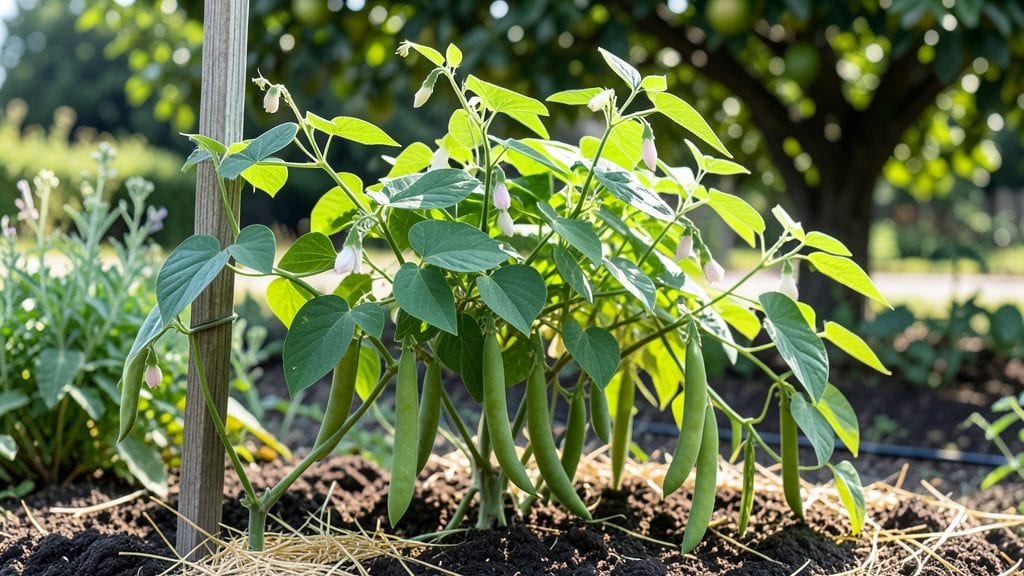
Growing Burpee Garden Beans on a vertical trellis turns a small space into a high-yielding green machine. 🌱 I planted mine last spring and ended up with 20 pounds of beans from just 10 square feet—something I never thought possible in my tiny backyard.
The secret isn’t just the trellis; it’s how you prep the soil, time the planting, and keep those vines climbing efficiently.
You’ll need a sturdy trellis (I used 6-foot bamboo stakes with twine), well-draining soil mixed with compost, and a sunny spot with at least 6 hours of direct light daily.
Burpee Garden Beans are forgiving, but they reward patience—plant seeds 1 inch deep, 4 inches apart, and give them room to spread as they climb. Water consistently, keeping the soil moist but not soggy, and watch those vines take off within weeks.
The payoff comes when you start harvesting—tender pods ready to pick just 50 days after planting. You’ll harvest more consistently than with bush beans, and the vertical setup keeps leaves dry, reducing disease risk.
Plus, the beans keep producing for weeks, giving you a steady supply for fresh eating or preserving. This method works for any backyard, balcony, or even a sunny windowsill with the right setup.
Here’s where it gets interesting—Burpee Garden Beans handle heat and humidity better than most varieties, making them perfect for Southern gardens. Just watch for Mexican bean beetles and spider mites, which love climbing plants.
A quick spray of neem oil keeps them at bay. Ready to grow your own vertical garden? Let’s get those seeds in the ground!
📚 In This Guide
- What you need
- Instructions
- Tips and common mistakes
- Wrapping up and next steps
What you need
- ● Burpee Garden Beans seeds – 1 packet (typically yields ~20 plants). Choose pole bean varieties like Kentucky Wonder or Blue Lake for trellising.
- ● Vertical trellis system – A sturdy 6–8 ft tall trellis (e.g., cattle panel, bamboo stakes, or a DIY wooden lattice). Ensure it’s at least 3–4 ft wide for proper airflow.
- ● Potting mix or garden soil – 1–2 bags of well-draining, nutrient-rich soil (or compost-amended garden soil).
- ● Fertilizer – A balanced, organic fertilizer (5-5-5 or 10-10-10) or compost. Avoid high-nitrogen blends.
- ● Watering can or hose – With a gentle spray nozzle for consistent moisture.
- ● Garden trowel or transplanter – For planting seeds 1–2 inches deep.
- ○ String or twine – To secure vines to the trellis (optional but helpful).
- ● Mulch (straw or grass clippings) – To retain moisture and suppress weeds.
- ○ Plant ties or soft cloth strips – For gently guiding vines upward (optional).
- ● Pruning shears – To trim excess growth or dead foliage.
- ● Drip irrigation system for hands-free watering.
- ● Epsom salt (1 tbsp per plant) for magnesium boost.
- ● Row cover or shade cloth for pest protection.
Step-by-step instructions for growing burpee garden beans vertically
Here's how to transform your garden space with pole beans—no sprawling vines, just lush vertical growth.
🪴 Step 1: Set Up Your Trellis System
Start by choosing a sturdy trellis that's at least 6 feet tall—pole beans need vertical support to climb. I like using 5-foot bamboo stakes spaced 18 inches apart in a row, then weaving jute twine between them horizontally every 12 inches. This creates a lattice that beans can grip naturally with their tendrils.
Position the trellis in full sun—at least 6-8 hours daily—and ensure the soil is well-draining. If your garden soil is heavy clay, mix in 2 inches of compost to improve aeration. The trellis should face south or west to maximize morning sunlight, which helps prevent fungal issues later in the day.
🌱 Step 2: Plant Seeds at the Right Depth and Spacing
Sow 4-5 seeds per trellis post, placing them 1 inch deep and 2 inches apart in a small trench. I like to use my finger to make a hole just deep enough to cover the seeds lightly—any deeper, and they’ll struggle to emerge. Space the posts 18 inches apart to give roots room to spread.
Water gently after planting to settle the soil, but avoid soaking the seeds. You’ll see sprouts in 7-10 days if temperatures stay above 60°F. Once seedlings reach 3-4 inches tall, thin them to the strongest plant per post. This prevents overcrowding and ensures better air circulation, which keeps diseases at bay.
☀️ Step 3: Train Vines and Monitor Growth
As vines emerge, they’ll naturally wrap around the twine. Gently guide them upward, but don’t force them—beans climb best when they’re encouraged, not tied. I find that weekly light pruning of lower leaves (those below the first 12 inches) improves airflow and reduces pests.
Water at the base of the trellis every 2-3 days during dry spells, keeping the soil moist but not soggy. You’ll know it’s time to water when the top 1 inch of soil feels dry. Avoid wetting the leaves to prevent fungal spores from taking hold—this is especially critical in humid climates.
✂️ Step 4: Harvest for Continuous Production
Start harvesting when pods reach 4-6 inches long and are firm to the touch. I pick every 2-3 days to encourage more flowers and beans. Use sharp scissors to snip stems cleanly—this prevents damage that could invite pests. The more you harvest, the more your plants will produce.
If beans start to yellow or pods shrivel, it’s a sign of overmaturity. Store harvested beans in the fridge for up to 5 days or blanch and freeze for long-term storage. With proper care, a single trellis can yield pounds of beans over the season—far more than bush varieties in the same space.
Tips & tricks for perfect vertical burpee garden beans
Here's what I've learned after growing these beans for years—these tricks will help you maximize your harvest and avoid common pitfalls.
Trellis Stability is Key: Don't skimp on trellis height or spacing! I've seen 5-foot stakes bend under the weight of mature pole beans, especially during summer storms. For extra stability, bury the bamboo stakes at least 12 inches deep or anchor them with garden stakes. The 18-inch spacing between posts gives roots room to anchor properly, preventing the whole structure from toppling when vines get heavy.
Soil Prep Makes All the Difference: Before planting, mix in that 2 inches of compost I mentioned—but here's the secret: add a handful of perlite or coarse sand to improve drainage, especially if you're in a clay-heavy area. The goal is soil that holds moisture but drains freely. I've found that amending the soil at planting time gives beans a stronger start than waiting until after germination.
Watering Wisdom: Those 2-3 day watering intervals work best when you check soil moisture daily. The top inch dry test is foolproof, but I've learned to water in the morning instead of evening—this gives leaves time to dry before nightfall, reducing fungal risks. In extreme heat, you might need to water every other day, but always check that top inch first. Overwatering is just as harmful as underwatering for these beans.
Harvesting Hack: I've found that harvesting every 2-3 days isn't just about production—it's about quality. When you see pods reaching 4-6 inches but still firm, that's your sweet spot. Here's a trick: harvest in the morning when pods are cool and crisp. I use clean kitchen scissors to snip stems cleanly, and I always wash the pods immediately to remove any dirt or debris that might have accumulated overnight.
Pro Tips for Burpee Garden Bean
- Here's what I've learned after growing these beans for years—these tricks will help you maximize your harvest and avoid common pitfalls.
- Trellis Stability is Key: Don't skimp on trellis height or spacing!
- The goal is soil that holds moisture but drains freely.
Frequently asked questions
Got questions about growing Burpee Garden Beans on vertical trellises? You’re not alone! Here are some of the most common queries—and their answers—to help you master pole beans like a pro.
How tall should my trellis be for Burpee Garden Beans?
For Burpee Garden Beans, aim for a trellis that’s at least 6–8 feet tall. These vigorous climbers can reach up to 10 feet if given space! Use sturdy materials like bamboo stakes, metal cages, or a DIY wooden frame. The taller the trellis, the more beans you’ll harvest—just ensure it’s anchored securely to handle wind.
When is the best time to plant Burpee Garden Beans?
Plant seeds 1–2 weeks after the last frost when soil temps hit 60°F+. These beans thrive in warm weather and bolt (flower prematurely) if exposed to cold. For extended harvests, stagger plantings every 2–3 weeks in regions with long growing seasons. Pro tip: Soil should be moist but not soggy at planting!
Can I use a trellis for other bean varieties?
While Burpee Garden Beans are bushy climbers, other pole bean varieties like Kentucky Wonder or Blue Lake also love trellises. Just check the plant’s mature height—some dwarf varieties (like Blue Lake Bush) may not need vertical support. Trellises save space and improve airflow, reducing disease risk for all climbing beans.
What should I do if my Burpee Garden Beans get pests?
Keep an eye out for bean beetles, aphids, or Japanese beetles. Handpick larger pests or spray with neem oil for organic control. For severe infestations, use row covers early in the season. Healthy plants resist pests better—ensure proper spacing (4–6 inches apart) and water at the base (not leaves) to deter fungal issues.
How do I maximize yield with a vertical trellis?
Prune side shoots to encourage upward growth and harvest regularly (every 2–3 days) to prompt more production. Train vines gently along the trellis to avoid snapping. Add a balanced fertilizer (like 10-10-10) at planting and again when flowers appear. Mulch around the base to retain moisture—happy roots = happy beans!
Wrapping up and next steps
Growing Burpee Garden Beans on a vertical trellis isn’t just space-saving—it’s a game-changer for your garden! With the right setup, you’ll enjoy bountiful harvests, healthier plants, and easier maintenance. Whether you’re a beginner or a seasoned gardener, these pole beans are a fantastic addition to any vertical garden.
Ready to level up your gardening game? Start by gathering your supplies, follow the trellis setup tips, and watch your beans climb to new heights! Happy planting—your future harvests are waiting! 🌱✨