
Diseases
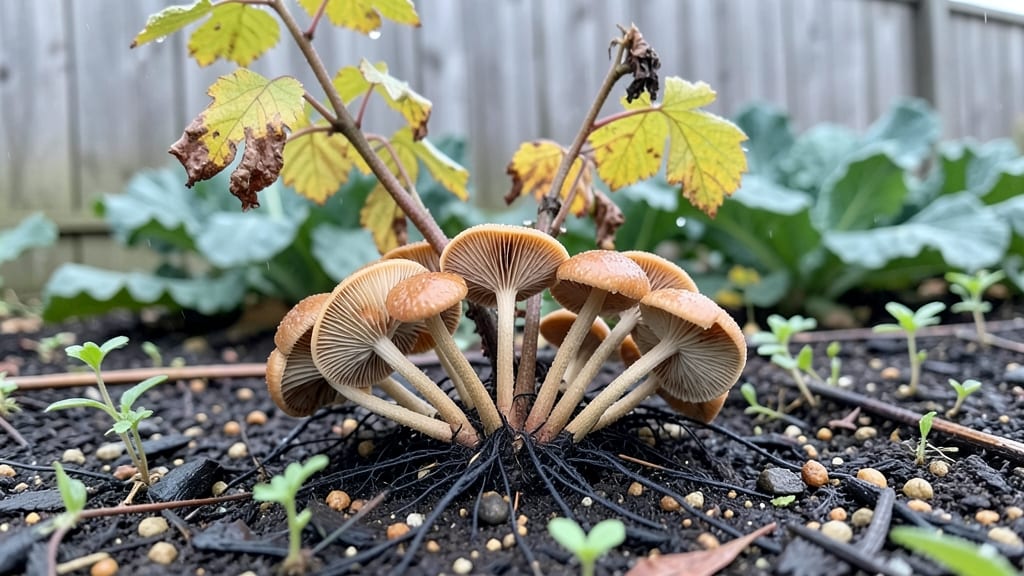
Brown fungi creeping through your garden isn’t just unsightly—it’s a silent threat to your plants’ health. 🌱 I’ve seen it turn thriving beds into a patchwork of decay, and the key to stopping it starts with knowing exactly what you’re dealing with before it spreads beyond control.
The culprits range from soil-borne pathogens like Rhizoctonia to surface molds thriving on damp leaves. Poor drainage, thick mulch, or overwatering create the perfect breeding ground, but not all brown fungi are harmful—some are harmless or even beneficial.
The difference lies in how they behave: aggressive spread, wilting plants, or discolored stems mean it’s time to act.
You can turn the tide with simple fixes: improve airflow, adjust watering habits, and apply targeted treatments like neem oil or baking soda sprays. I’ve saved entire garden sections using these methods, and the results show up within days—healthier plants, fewer spots, and a stronger defense against future outbreaks.
This isn’t just about cleaning up what’s there—it’s about setting up your garden so brown fungi never get a foothold again. Let’s get your plants back to thriving without the creepy brown takeover.
Root Causes Of Fungal Growth
Brown fungi in your garden aren’t just an eyesore—they’re a sign that something’s off with your soil, moisture, or plant health. Understanding the why behind these unsightly spots is the first step to stopping them before they take over.
Here’s a breakdown of the most common culprits, explained in simple terms with actionable insights.
Fungi thrive in damp, oxygen-starved environments—think of them as the wildlife of your garden’s soggy corners. When soil stays too wet for too long, it creates the perfect breeding ground for brown fungal pathogens like Rhizoctonia or Phytophthora.
These fungi don’t just appear out of nowhere; they’re often the result of:
- Compacted soil: Heavy foot traffic, clay, or poor soil structure can prevent water from draining, leaving roots waterlogged.
- Overzealous watering: Watering at the same time every day (especially in the evening) or using sprinklers that saturate leaves can trap moisture where fungi love to grow.
- No mulch or improper mulching: Mulch should wick away excess moisture—not smother plants. Too much mulch (especially thick layers) can suffocate roots and hold in humidity.
💡 Pro Tip: Test your soil’s drainage by digging a 6-inch hole, filling it with water, and timing how long it takes to drain. If it’s slower than 4 hours, your soil is too dense. Amend with compost or perlite to improve aeration.
Fungi spread like wildfire when leaves stay wet for more than 6–12 hours. High humidity—especially in shaded or crowded garden beds—creates a greenhouse effect that keeps spores alive and multiplying. Common triggers include:
- Dense planting: Overcrowded plants block airflow, trapping moisture against leaves and stems.
- Irrigation habits: Watering from above (like with sprinklers) or late in the day leaves foliage damp overnight.
- Poor airflow: Tall grasses, thick ground covers, or even nearby trees can reduce circulation, making it harder for water to evaporate.
🌡️ Science Note: Fungal spores germinate best between 60°F and 80°F (15°C–27°C). If your garden is shaded and stays in this range for long periods, you’re basically running a fungal spa.
✨ Fix It: Space plants 3–6 inches apart (depending on the variety), water early in the day, and use drip irrigation or soaker hoses to avoid wetting leaves.
Healthy plants resist fungal infections like a superhero with an unbreakable shield. But when plants are stressed—from nutrient deficiencies, pests, or physical damage—their defenses drop, and fungi move in. Look for these red flags:
| Stress Factor | How It Helps Fungi |
|---|---|
| Nitrogen deficiency | Plants can’t produce enough chitinase (a natural antifungal protein), making them easier targets. |
| Pest damage (e.g., aphids, slugs) | Open wounds let spores infect the plant directly. Some pests, like thrips, even spread fungal spores on their bodies. |
| Transplant shock | Newly planted seedlings are physically stressed and take weeks to recover, leaving them vulnerable. |
| Improper pruning | Cutting too close to the stem or leaving stubs creates entry points for fungal invasion. |
💪 Boost Plant Health: Feed your garden with a balanced fertilizer (10-10-10), compost tea, or mycorrhizal fungi (beneficial fungi that compete with pathogens). Also, remove dead leaves promptly—they’re fungal buffets.
Fungi are opportunistic—they wait for the perfect moment to strike. Temperature swings and seasonal changes can trigger outbreaks:
- Cool, wet springs: Ideal for sclerotinia (white mold) and botrytis (gray mold), which turn brown as they mature.
- Hot, humid summers: Encourages anthracnose and powdery mildew (which may appear brown or grayish).
- Fall leaf litter: Decaying leaves create microclimates where fungi like armillaria (honey fungus) thrive.
📊 Climate Hack: If your area has long, damp springs, opt for resistant plant varieties (e.g., Blight-resistant tomatoes) or raise beds to improve drainage.
Fungal spores are tiny but tenacious. They hitch rides on gardening tools, compost, or even potting mix, waiting to infect the next plant you touch. Common sources:
- Unsterilized pruners or shovels: Cutting infected stems spreads spores to healthy plants.
- Reused potting soil: Old soil can harbor dormant fungal spores that reactivate when new plants are added.
- Infected mulch or compost: If your compost pile gets too hot (<140°F), it can kill beneficial microbes but preserve fungal spores.
🔪 Sanitation Steps:
- Wipe tools with 70% isopropyl alcohol or a 10% bleach solution between uses.
- Solarize soil in spring by covering it with clear plastic for 4–6 weeks to kill pathogens.
- Use fresh, sterilized potting mix (or bake homemade mix at 180°F for 30 mins).
Fixing Fungal Foes in Your Garden
Brown fungi in your garden aren’t just unsightly—they can weaken plants, reduce yields, and even kill them if left unchecked. But don’t stress! With the right approach, you can identify the cause, treat the issue, and prevent future outbreaks like a pro.
Below, we break down practical solutions tailored to common causes, from overwatering to poor airflow, so your garden stays lush and fungus-free.
Brown, mushy spots on leaves or stems? This is often a sign of overwatering or compacted soil, which creates the perfect damp, dark environment for fungi like Phytophthora or Rhizoctonia to thrive.
🔥 Step-by-Step Fix:
- 👨🍳 Stop Watering Immediately
- Let the soil dry out completely before watering again. Stick your finger 1-2 inches deep—if it’s damp, wait.
- Pro Tip: Water in the early morning (6–10 AM) to allow foliage to dry before evening humidity sets in. 🌞
- 🔪 Improve Soil Drainage
- Amend heavy clay soil with organic matter like compost, coconut coir, or perlite to loosen it up.
- For container plants, ensure pots have drainage holes and use a well-draining potting mix.
- 🌡️ Adjust Your Watering Routine
- Switch to deep, infrequent watering (e.g., 1–2 times per week) instead of daily shallow sprinkles.
- Use a soaker hose or drip irrigation to deliver water directly to the roots, avoiding wet leaves.
- ✨ Prevent Future Issues
- Mulch with straw or pine needles (not wood chips) to keep moisture levels stable without suffocating roots.
- Avoid watering foliage—always aim for the base of the plant.
Brown or tan spots with fuzzy edges? You’re likely dealing with leaf spot diseases (e.g., Alternaria or Septoria) or powdery mildew, which thrive in humid conditions.
🔥 Step-by-Step Fix:
- 🍳 Prune Infected Areas
- Use sterilized pruners (wipe with rubbing alcohol) to cut off all brown or spotted leaves—don’t leave them on the ground!
- Dispose of pruned material in the trash (not compost) to prevent reinfection.
- 🧼 Clean Up Debris
- Remove fallen leaves, dead plants, and weeds from the garden bed. These harbor fungal spores.
- Pro Tip: Rake up debris after rain when spores are most active. 🌧️
- 💡 Apply Fungicidal Sprays (Organic or Chemical)
- Baking soda spray (1 tsp baking soda + 1 quart water + a few drops of dish soap) works for mild cases.
- For severe infections, use a copper fungicide (like Bordeaux mixture) or neem oil spray (1 tbsp neem oil + 1 quart water + a drop of soap).
- Spray both sides of leaves and reapply every 7–10 days or after rain.
- 🌡️ Boost Air Circulation
- Thin out overcrowded plants to improve airflow.
- Install fan oscillators in greenhouses or use trellises for vining plants to keep leaves dry.
If your plants look wilting despite moist soil or have brown, rotting bases, root or crown rot (often caused by Pythium or Fusarium) may be the culprit.
🔥 Step-by-Step Fix:
- 🔪 Dig Up and Inspect
- Gently remove the plant to check for dark, mushy roots or a rotting stem base.
- If less than 30% of roots are healthy, the plant may not recover—replace it.
- 🌱 Repot or Replant Healthy Specimens
- For container plants, sterilize the pot (boiling water or bleach solution) and repot in fresh, sterile potting mix.
- In garden beds, dig a new hole away from the infected area and add sand or perlite to improve drainage.
- 💡 Use Fungicides for Soil Treatment
- Apply a systemic fungicide (like myclobutanil or fipronil) to the soil around the roots.
- For organic gardens, try hydrogen peroxide spray (3% solution, diluted to 1:9 with water) to kill pathogens.
- ⏰ Monitor and Adjust Care
- Avoid watering until the soil is completely dry (test with your finger).
- If replanting, choose disease-resistant varieties for the future.
Once you’ve treated the issue, prevent recurrence with these long-term strategies:
- 💡 Rotate Crops – Don’t plant the same family (e.g., tomatoes, peppers) in the same spot yearly. - 🌡️ Space Plants Properly – Follow spacing guidelines on seed packets to avoid humidity buildup. - 🍄 Use Resistant Varieties – Opt for fungus-resistant seeds (e.g., ‘Defiant Phy’ tomatoes or ‘All-Blush’ peppers). - 🧼 Sterilize Tools – Clean pruners, shovels, and gloves with rubbing alcohol between uses. - 🌱 Strengthen Plants – Healthy plants fight fungi better!
Use balanced fertilizer (like 10-10-10) and compost tea for immunity boosts.
Remember: The key to beating brown fungi is acting fast and fixing the root cause—not just treating symptoms. With these steps, your garden will bounce back stronger and healthier! 🌱💪
Frequently asked questions about brown fungi in gardens
What’s the difference between harmless brown mold and dangerous fungal pathogens?
Harmless brown mold (like Penicillium) grows on soil or organic matter but doesn’t harm plants. Dangerous fungi—such as Rhizoctonia or Phytophthora—cause wilting, brown spots with yellow halos, or rotting stems. Check for plant stress: if leaves yellow, stems soften, or growth stalls, it’s time to act.
Can I still use plants that have brown fungal spots?
It depends on the severity. For leaf spots (like Alternaria), prune infected areas immediately and treat the rest. If roots are mushy or stems are rotting, the plant is likely beyond saving—remove it entirely to prevent spread. Always sterilize tools between cuts to avoid cross-contamination.
How often should I apply fungicide treatments?
Start with a preventive spray (like neem oil or baking soda) every 7–10 days during humid seasons. For active infections, apply fungicides (copper-based or systemic) every 5–7 days until symptoms disappear, then switch to monthly maintenance sprays for 2–3 months.
Will compost tea help stop brown fungi in my garden?
Compost tea boosts plant immunity by introducing beneficial microbes, but it won’t kill existing fungal pathogens. Use it as a preventive measure alongside fungicides and proper airflow. For active outbreaks, pair it with copper sprays or hydrogen peroxide (3% solution) for better results.
Can I save my garden soil after a fungal outbreak?
Yes, but you’ll need to sterilize it first. Solarize the soil by covering it with clear plastic for 4–6 weeks in summer (sun heats it to 140°F, killing spores). Alternatively, mix in fresh compost or sand to dilute pathogens, or replace the top 6 inches of soil in infected beds.