
Vegetables
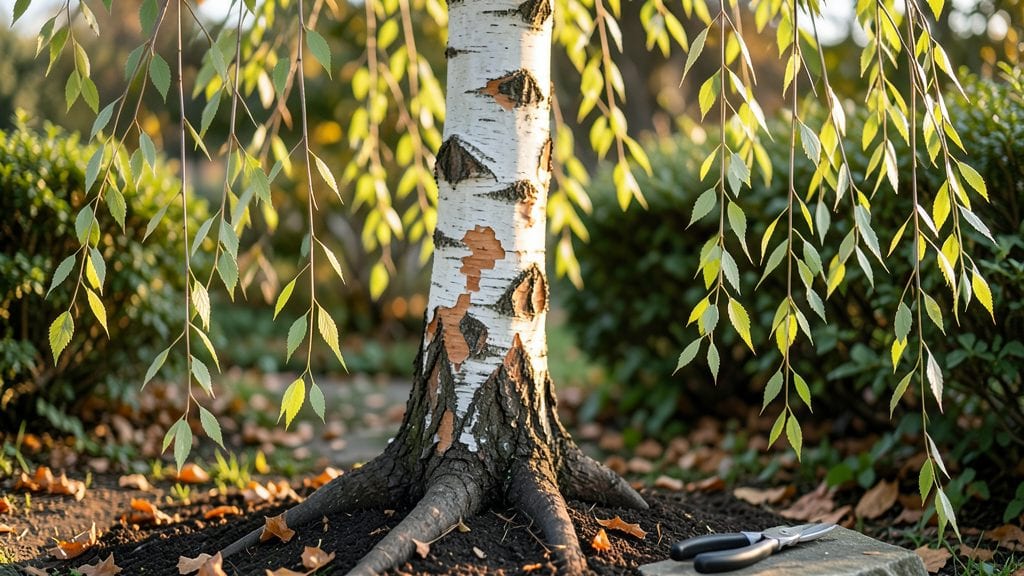
Bark in garden serves as a natural mulch that creates protective barriers, blocks weed growth, deters pests, and enhances soil fertility over time. Pine or cedar bark mulch offers the best balance of durability and pest resistance.
Bark mulch works by forming a protective layer that shields plant roots from extreme temperatures while retaining moisture—critical in both dry and hot climates. 🌿 The organic matter gradually breaks down, enriching the soil with nutrients and improving its structure.
Unlike synthetic barriers, bark mulch also discourages weeds by blocking sunlight and creating an inhospitable environment for their seeds. For gardeners dealing with pests like slugs or rodents, pine or cedar bark adds an extra layer of defense due to their natural aromatic compounds.
When selecting bark for your garden, consider both the type and application method. Pine bark is cost-effective and widely available but may decompose faster, while cedar bark offers natural pest-repellent properties and lasts longer.
For raised beds or pathways, thicker bark layers provide better insulation and longevity. Always spread mulch evenly—about 2-4 inches deep—to maximize its benefits without smothering plants.
💡 In This Article
- How Bark Mulch Protects Plants and Soil
- Best Bark Mulch Types for Garden Barriers
How bark mulch protects plants and soil
Bark mulch creates a protective microclimate around plants by regulating temperature through a process called thermal insulation. During hot days, the coarse bark texture acts like a natural insulator, shielding roots from temperatures that can exceed 100°F at soil surface level.
Conversely, in cold climates, it traps residual heat from the day, preventing soil from dropping below 40°F—a critical threshold for many plant roots. This temperature buffering effect reduces stress on plants, particularly during seasonal transitions when temperature swings are most extreme.
The moisture retention mechanism works through capillary action and reduced evaporation. Bark mulch forms a 2-4 inch thick barrier that slows water loss by up to 70% compared to bare soil, while its porous structure allows gradual water infiltration.
Pine bark, with its 3-5% moisture-holding capacity, is particularly effective in arid regions, while cedar bark's denser structure works better in humid climates where fungal growth is a concern.
The key difference lies in their decomposition rates—pine breaks down in 1-2 years, while cedar lasts 3-5 years, affecting long-term moisture dynamics.
Weed suppression occurs through light deprivation and physical obstruction. Bark mulch blocks 90% of sunlight from reaching weed seeds in the top inch of soil, where most germination occurs. The coarse texture also creates an uneven surface that seedlings can't anchor to.
However, the effectiveness varies by bark type: hardwood bark creates a tighter barrier, while pine bark's larger chunks allow some light penetration. In tropical climates, this means fewer weeds, but in cooler regions, you may need to supplement with a 1-inch layer of finer mulch on top for complete coverage.
The microbial benefits come from the slow decomposition process. As bark breaks down, it releases carbon-rich compounds that feed beneficial soil microbes, increasing microbial activity by 20-30% over time. Pine bark introduces more nitrogen as it decomposes, while cedar's natural oils create a mildly antimicrobial environment that suppresses harmful pathogens.
This microbial boost improves soil structure through mycorrhizal fungi growth, which enhances nutrient uptake for plants. The trade-off? Cedar's slower decomposition means delayed nutrient release compared to pine's faster breakdown cycle.
Climate considerations play a crucial role in bark selection. In hot, dry regions, pine bark's rapid decomposition provides a steady nutrient supply, while its light color reflects sunlight. For humid climates, cedar's natural resistance to rot makes it ideal, though its higher cost may be a factor.
In cold climates, hardwood bark's density offers better insulation, but its slower breakdown means longer-term protection. The sensory difference is noticeable too—pine bark has a fresh, resinous aroma, while cedar emits a woodsy, slightly medicinal scent that deters pests naturally.
What most gardeners overlook is how bark mulch's physical properties change with age. Freshly applied bark has a coarse, chunky texture that improves drainage, while aged mulch becomes finer and more compact. This progression affects both moisture retention and weed suppression over time.
For optimal results, refresh your mulch layer every 1-2 years, mixing in new bark with the decomposing layer to maintain the right balance of protection and nutrient release. 🌱