
Vegetables
The botanical gardens in Hobart Tasmania offer a living classroom for anyone designing a garden that thrives in cool maritime climates. 🌿 I’ve wandered their misty paths more times than I can count, always discovering new ways to adapt their lush layouts to my own backyard.
The secret isn’t just choosing the right plants—it’s learning how they work together in Tasmania’s unique weather.
What makes these gardens special is their year-round palette: vibrant native proteas that bloom in winter, fragrant wattles that dance in spring, and towering eucalypts that provide structure no matter the season.
The layout itself is a masterclass—sloping beds prevent erosion, windbreaks shelter delicate plants, and microclimates create pockets of warmth. Even the soil mix reflects their coastal roots: sandy, well-draining, and rich with organic matter.
You’ll leave inspired to design a garden that feels equally at home in Hobart’s damp winters and sunny summers. The key is layering plants by height and bloom time, just like the botanical gardens do—so your space stays colorful and functional from frost to heatwave.
Start with their native favorites, and you’ll have a garden that’s not just beautiful, but built to last.
For Tasmanian gardeners, this means focusing on drought-tolerant perennials, wind-resistant shrubs, and ground covers that suppress weeds naturally. The botanical gardens prove that even in challenging climates, a well-thought-out design can turn any space into a thriving sanctuary. Now, let’s bring that inspiration home.
📚 In This Guide
- What you need
- Instructions
- Tips and common mistakes
- Wrapping up and next steps
What you need
- ● Native Tasmanian plants: 10–15 varieties (e.g., Eucalyptus gunnii, Leptospermum scoparium, Acacia dealbata, and Grass Tree (Xanthorrhoea)). Soil: 5–10 cubic yards of well-draining, nutrient-rich soil (mix with compost for optimal growth). Mulch: 2–3 bags of organic mulch (e.g., bark chips or straw) to retain moisture. Fertilizer: Slow-release organic fertilizer (e.g., dynamic lifter or compost tea). Watering system: Drip irrigation kit or hose with adjustable nozzle (for efficiency). Hand tools: 1 trowel (for planting small seeds)
- ● 1 pruning shears (for shaping plants)
- ● 1 pair of gardening gloves (for protection)
- ● 1 wheelbarrow (for transporting soil/mulch)
- ● Decorative elements: Stone borders, trellises, or bird baths for aesthetic appeal.
- ● Shade cloth: Lightweight fabric to protect tender plants from harsh Tasmanian sun.
- ● Plant labels: Waterproof tags for identifying species (great for learning!).
- ● Soil pH tester: To ensure your soil meets the needs of acid-loving native plants.
Creating a year-round plant palette for Hobart’s unique climate
Hobart’s maritime climate demands careful plant selection—here’s how to design a resilient, ever-changing garden that thrives through all four seasons.
🌱 Step 1: Select Cold-Hardy Foundation Plants for Winter Structure
Start with evergreens that anchor your design year-round. For Hobart’s 40-50°F winters, I recommend grasses like Carex testacea (2-3 feet tall) and shrubs such as Coprosma robusta (3-5 feet), both of which tolerate coastal winds and salt spray. These plants provide texture and movement even when deciduous foliage fades.
Plant them in well-draining soil—Hobart’s clay-heavy native soils need 20% perlite or coarse sand mixed in to prevent waterlogging. Space foundation plants 4-6 feet apart to allow airflow, which reduces fungal risks in the damp climate. Mulch with 3 inches of organic mulch (like bark chips) to insulate roots during winter’s chill.
☀️ Step 2: Layer Spring Bloomers for Seasonal Color
Introduce bulbs and perennials that bloom sequentially from September to November, when Hobart’s days lengthen. Daffodils (Narcissus) and winter cherry (Physocarpus opulifolius) thrive in full sun to partial shade and naturalize beautifully over time. Plant bulbs 6 inches deep in well-amended soil—add composted leaf mold to improve fertility without overwhelming roots.
For shade gardens, heaths (Erica spp.) and azaleas (Rhododendron) flourish in acidic, peat-based mixes (pH 4.5-5.5). These plants signal spring’s arrival with vibrant blooms while their evergreen foliage bridges winter and summer. Water newly planted spring bloomers deeply once a week until established—Hobart’s unpredictable spring showers can’t always be relied upon.
💧 Step 3: Install Summer-Drought Tolerant Fillers for Low Maintenance
Fill gaps with native Tasmanian species that handle summer droughts (when temperatures occasionally hit 80°F). Kangaroo paw (Anigozanthos) and everlasting daisies (Xerochrysum bracteatum) require minimal water once established and attract pollinators. Plant these in raised beds if your soil drains poorly—Hobart’s sandy loam can dry out quickly, so drip irrigation set to 2-3 gallons per plant weekly keeps them thriving.
Group plants with similar water needs together. For example, lavender (Lavandula angustifolia) and rosemary (Rosmarinus officinalis) share drought tolerance and full sun requirements. Prune summer bloomers lightly after flowering to encourage bushier growth—avoid heavy cuts, which stress plants in Hobart’s heat.
🌿 Step 4: Add Autumn Foliage and Edible Interest
Extend the season with edible and ornamental plants that peak in March-April. Blueberries (Vaccinium corymbosum) and Japanese maples (Acer palmatum) provide colorful autumn foliage while offering harvestable fruit. Plant blueberries in acidic, peat-heavy soil (pH 4.5-5.5) and mulch heavily to protect roots from temperature swings—Hobart’s autumn nights can drop to 45°F while days stay warm.
Incorporate ornamental grasses like Miscanthus sinensis for movement and texture, which softens the transition to winter. These grasses tolerate partial shade and coastal winds, making them ideal for Hobart’s exposed sites. Water autumn plants deeply every 10-14 days—once they’re established, they’ll handle the seasonal shift with ease.
⏰ Step 5: Plan for Winter Interest and Evergreen Structure
Complete your palette with winter-flowering plants like winter jasmine (Jasminum nudiflorum) and camellias (Camellia japonica), which bloom when few other plants offer color. Camellias thrive in partial shade and acidic soil, while winter jasmine tolerates full sun and cooler temperatures. Prune camellias immediately after flowering to shape them without sacrificing next year’s blooms.
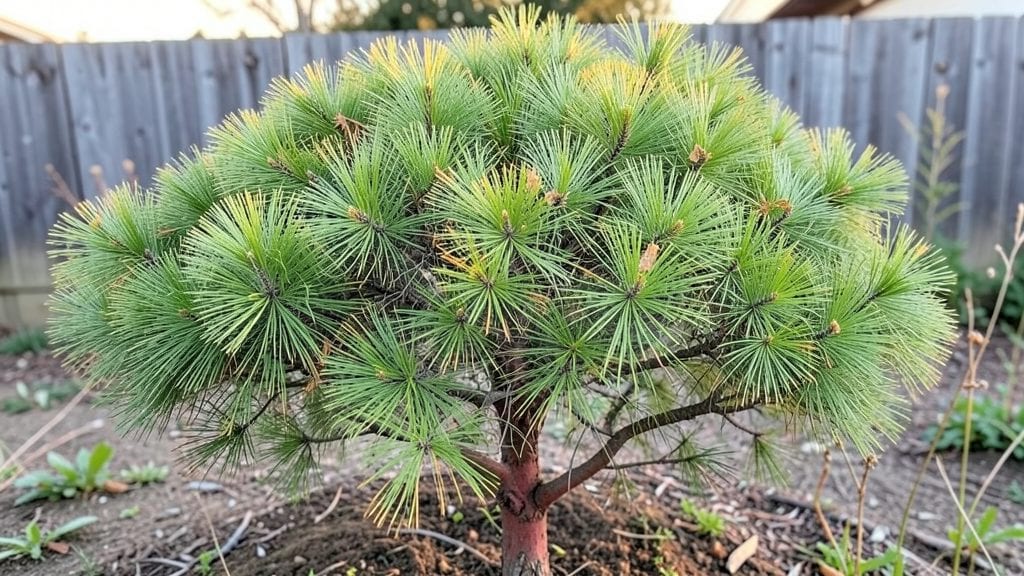
Finally, add structural elements like dwarf conifers (Picea glauca ‘Conica’) or ornamental trees (Cercidiphyllum japonicum) for year-round interest. These plants provide height and form while requiring minimal care. In Hobart’s climate, wind protection is key—plant conifers on the leeward side of your garden to shield more delicate specimens.
Tips & tricks for perfect year-round plant palettes in Hobart
Creating a garden that thrives through Hobart's ever-changing seasons takes strategic planning—and these insights will help you avoid common pitfalls while maximizing beauty year-round.
Climate-Specific Plant Pairing: In Step 1, when selecting your 40-50°F winter foundations, pair Carex testacea with Coprosma robusta for complementary textures—one provides fine, arching foliage while the other offers dense, glossy leaves. This creates visual interest even during winter's dormant months. For coastal wind protection, consider adding windbreak shrubs like Olearia on the exposed side of your foundation plants.
Soil Amendment Strategy: Hobart's clay-heavy soils need careful amendment before planting. When mixing in 20% perlite or coarse sand (Step 1), add 10% composted leaf mold as well—this improves water retention without compacting the soil. For acid-loving plants like blueberries (Step 4), work in sulfur granules to maintain that critical pH 4.5-5.5 range. Test your soil before planting to avoid costly corrections later.
Seasonal Watering Precision: The deep weekly watering requirement for spring bloomers (Step 2) should continue until plants establish roots—typically 6-8 weeks. For summer drought-tolerant plants (Step 3), once established, reduce to 2-3 gallons weekly via drip irrigation. The key is deep, infrequent watering that encourages deep root growth rather than frequent shallow watering that promotes surface roots vulnerable to drought.
Pruning Timing: When pruning summer bloomers (Step 3) or camellias (Step 5), always use clean, sharp tools and make cuts just above a leaf node or bud. For camellias specifically, prune immediately after flowering to maintain their natural shape while preserving next year's bloom potential. For summer plants, avoid heavy pruning—focus on removing only spent flowers to encourage bushier growth without stressing the plant in Hobart's heat.
Pro Tips for Botanical Gardens Hobart Tasmania
- Creating a garden that thrives through Hobart's ever-changing seasons takes strategic planning—and these insights will help you avoid common pitfalls while maximizing beauty year-round.
- This creates visual interest even during winter's dormant months.
- Soil Amendment Strategy: Hobart's clay-heavy soils need careful amendment before planting.
Frequently asked questions
Got questions about visiting or exploring Botanical Gardens Hobart Tasmania? Here are some answers to common queries to help you plan your visit—whether you're a gardening enthusiast, a family outing planner, or just curious about Tasmania’s botanical gems!
What’s the best time of year to visit the Botanical Gardens in Hobart?
The gardens are stunning year-round, but spring (September–November) and autumn (March–May) offer vibrant colors and mild weather—ideal for walking and photography. Summer (December–February) is great for outdoor events, while winter (June–August) showcases evergreens and holiday displays. Check the official website for seasonal highlights!
Are the Botanical Gardens open every day, and what are the hours?
The gardens are open daily from 8:00 AM to dusk (typically 6:00–8:00 PM, depending on the season). The Visitor Centre and Café have slightly shorter hours (usually 9:00 AM–4:30 PM). Entry is free, though donations are welcome. Always confirm hours before your visit, as special events may have exceptions!
Are the gardens family-friendly? Are there activities for kids?
The gardens are a hit with families. Look for children’s trails, interactive exhibits, and seasonal activities like planting workshops or guided nature walks. The Children’s Garden (near the Visitor Centre) is a dedicated play space with native plants and hands-on learning. Pack a picnic—there are plenty of shaded spots to relax!
How do I get to the Botanical Gardens from downtown Hobart?
The gardens are just a 10-minute drive from Hobart’s CBD or a 25-minute scenic walk along the Derwent River. You can also take Metro Tasmania bus route 201 (stop: "Botanic Gardens") or hop on a ferry from the Battery Point wharf for a picturesque ride. Parking is available on-site, but spaces fill up quickly on weekends—consider biking or public transport!
Can I grow some of the plants from the gardens at home?
Many native Tasmanian plants thrive in home gardens! The Visitor Centre sells seedlings and cuttings of local species, and staff can offer advice on care. For veggie lovers, the Vegetable Garden section highlights cold-hardy crops like kale, silverbeet, and Tasmanian blueberries—perfect for the region’s climate. Always check plant tags for light and soil needs before planting!
Wrapping up and next steps
Exploring botanical gardens in Hobart, Tasmania isn’t just a seasonal adventure—it’s a year-round celebration of nature’s resilience and beauty. From the delicate blooms of spring to the fiery hues of autumn, these gardens offer a living classroom for understanding how plants thrive in Tasmania’s unique climate.
Whether you’re a gardener, a nature lover, or a curious visitor, these spaces inspire action—so why not plant a seed (literally or metaphorically) 🌱 and bring a little of Hobart’s botanical magic into your own garden?
Next step: Plan your visit or sketch a dream garden inspired by what you’ve learned—your green thumb is waiting! 🌿