
Pests
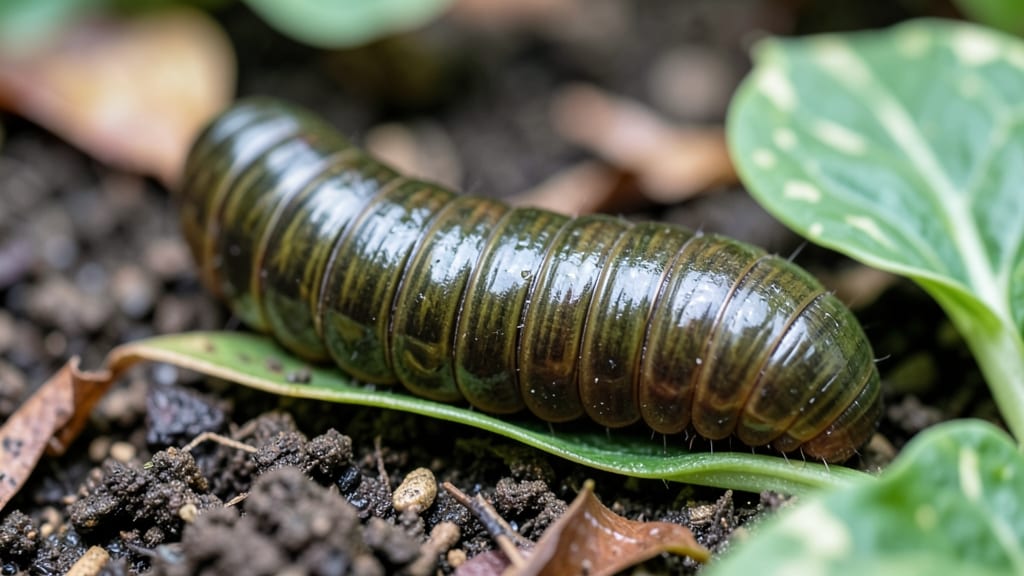
Finding a big green worm munching your garden plants can feel like a nightmare at first—until you realize it might not be the villain you think. 🌱 These squishy invaders are often harmless or even helpful, but when they’re stripping leaves overnight, you need a smarter approach than squishing them.
I’ve wrestled with cutworms, hawk moth caterpillars, and other green giants, and here’s how to tell friend from foe—and how to evict the troublemakers without harming your plants (or your conscience).
The first step is identifying your worm: cutworms hide at the base of stems, hawk moth caterpillars dangle dramatically on silken threads, and some are just hungry grubs doing their thing. Most aren’t pests—they’re future pollinators or food for birds.
But if they’re skeletonizing your lettuce or sawing off seedlings at ground level, it’s time to act. The key is removing them without resorting to harsh chemicals that kill the good bugs too.
You’ll learn three humane removal methods that work in minutes: the classic toilet-paper roll trap, the soapy water rescue (gentler than it sounds), or simply relocating them to a wildflower patch where they’ll do more good than harm.
Best part? These tricks prevent future invasions by disrupting their life cycle—no more midnight raids on your basil or marigolds.
Whether you’re dealing with a one-time visitor or a recurring infestation, this approach keeps your garden thriving and your conscience clear. Let’s get those worms where they belong—far from your prized plants.
Root Causes Of Garden Worms
Spotting a big green worm slithering through your garden isn’t just unsettling—it’s often a sign that something deeper is amiss. These worms, whether they’re cutworms, grubs, or larvae of moths and beetles, don’t just appear out of nowhere.
Their presence is usually tied to environmental factors, plant health, or even human activity. Understanding why they’re there is the first step toward humane removal and preventing future invasions.
Healthy soil isn’t just about nutrients—it’s also about balance. Big green worms thrive when soil conditions are too moist, nutrient-rich, or disturbed. Here’s how:
- Excess Moisture:
Worms like cutworms love damp, cool soil. Overwatering, poor drainage, or heavy rainfall creates the perfect hiding spot. If your garden retains water for days after rain, you’re essentially rolling out the welcome mat for these pests.
- Organic Matter Overload:
While compost is great, too much organic material (like rotting leaves or manure) can attract worm eggs and larvae. These creatures feast on decomposing plant matter, and a surplus means a worm buffet.
- Compacted or Disturbed Soil:
Tilling or heavy foot traffic can disrupt soil layers, making it easier for worms to burrow deeper. Grubs (larvae of beetles) often tunnel into loosened soil, where they’re protected from predators and weather.
💡 Pro Tip: Test your soil’s moisture by squeezing a handful—if water drips out, it’s too wet. Aim for soil that crumbles slightly when pressed.
Weak or stressed plants are like neon signs for garden pests. Worms target plants that are:
- Young or Tender:
Seedlings and new shoots are worm snacks. Cutworms, for example, slice through stems at soil level, turning vibrant plants into wilted skeletons overnight.
- Diseased or Damaged:
Plants with holes, fungal spots, or insect bites are already compromised. Worms and their larvae compete with other pests for easy meals, often moving in once the plant’s defenses are down.
- High in Nitrogen:
Fast-growing plants (like lettuce or basil) packed with nitrogen attract worms because they’re soft and nutrient-dense. 🎯 Watch out for: Over-fertilizing with nitrogen-heavy amendments (like fresh grass clippings).
🌡️ Quick Fix: Strengthen plants with neem oil or compost tea to boost their natural resistance. Healthy plants repel pests better!
Worms aren’t year-round pests—they’re seasonal opportunists. Their life cycles sync with weather patterns:
| Season | Why Worms Appear | Peak Activity |
|---|---|---|
| Spring | Warm soil wakes up dormant eggs. Cutworms hatch and seek food as plants sprout. | April–May |
| Summer | Grubs (beetle larvae) thrive in heat. Dry spells force them deeper into soil, where they munch on roots. | June–August |
| Fall | Cool, moist soil is ideal for moth larvae. They pupate underground, waiting for spring. | September–October |
⏰ Timing Matters: If you’re seeing worms in late spring, it’s likely cutworms or loopers. In summer, suspect grubs or white grubs damaging roots.
Sometimes, we’re the reason worms move in! Common gardening mistakes include:
- Leaving Debris:
Piles of leaves, mulch, or cardboard create dark, humid microclimates—perfect for worm eggs to hatch. 🚫 Clear away old plant matter before winter.
- Using Chemical Pesticides:
Sprays kill beneficial insects (like ladybugs) that eat worm eggs. This leaves worms unchecked. Opt for organic or targeted solutions instead.
- Planting Near Wooded Areas:
Forests and grassy fields are worm hotspots. If your garden borders these zones, worms migrate in search of food.
🔥 Prevention Hack: Create a 5-foot bare soil barrier around garden edges (remove grass/weeds) to deter worm migration from lawns or wild areas.
How to Fix Garden Worms Naturally
Got an unexpected guest in your garden? Big green worms—whether they’re harmless visitors or unwanted pests—can be managed without harming your plants or the ecosystem. The key is identifying the cause first, then applying the right solution.
Below, we break down practical fixes for common scenarios, from harmless caterpillars to destructive grubs, plus prevention tips to keep your garden worm-free long-term.
Not all green worms are pests!
Before acting, confirm what you’re dealing with: - Harmless visitors: Woolly bear caterpillars, cutworms (mostly nocturnal), or slugs (which leave slime trails). - Actual pests: Tomato hornworms, cabbage worms, or grubs (larvae of beetles like Japanese beetles). - Beneficial worms: Earthworms (unless they’re surface-dwelling, which can signal soil issues).
💡 Pro Tip: Snap a photo and compare it to this worm ID guide. If it’s a caterpillar, note its diet—some only target specific plants.
1. 🍅 Caterpillars Munching Leaves (Tomato Hornworms, Cabbage Worms)
Cause: These striped or fuzzy green worms devour leaves overnight, leaving skeletonized foliage. Fix: - Handpick at dusk 🌅: Use gloves and drop them into soapy water (1 tbsp dish soap per gallon).
Check under leaves daily. - Neem oil spray 🌿: Mix 2 tbsp neem oil + 1 tsp mild soap in 1 quart water. Spray leaves thoroughly (reapply every 3–5 days). - Bacillus thuringiensis (Bt) 🔬: A natural bacteria that kills caterpillars but not other insects.
Sprinkle on leaves or mix with water. - Row covers 🛡️: Use lightweight fabric to block egg-laying moths before they hatch.
💡 Prevention: Plant basil, marigolds, or dill near vulnerable plants (tomatoes, cabbage) to repel moths.
2. 🐜 Grubs Chewing Roots (Japanese Beetle Larvae, White Grubs)
Cause: Pale, C-shaped grubs tunnel through roots, causing wilting or dead patches in lawns/veggie beds. Fix: - Milky spore treatment 🌱: A natural bacteria (Bacillus popilliae) that targets grubs.
Apply to lawns in early summer. - Beneficial nematodes 🪱: Microscopic worms (Heterorhabditis bacteriophora) that parasitize grubs.
Water soil with nematode solution at dusk. - Handpick grubs 👨🍳: Dig up infested areas (1–2 inches deep), collect grubs, and drown in soapy water. - Reduce thatch ⏰: Mow high and aerate lawns to expose grubs to birds and predators.
💡 Prevention: Avoid overwatering (grubs thrive in soggy soil) and plant garlic or nematode-attracting plants like clover.
3. 🐌 Slugs & Snails (Not Worms, But Often Confused!)
Cause: Slimy trails + chewed leaves = slug/snail damage. They’re not worms, but they look like they rolled in glitter. Fix: - Beer traps 🍺: Bury a shallow dish filled with beer.
Slugs crawl in and drown (replace every 2 days). - Copper barriers ⚡: Install copper tape around garden beds—slugs get a mild shock when they touch it. - Diatomaceous earth (DE) 🌡️: Sprinkle food-grade DE around plants.
It dehydrates slugs (reapply after rain). - Handpick at night 🌙: Use a flashlight and drop them in soapy water.
💡 Prevention: Add crushed eggshells or sharp gravel as a physical barrier.
4. 🌱 Earthworms on Surface (Sign of Soil Issues)
Cause: Earthworms usually live underground, but they surface if soil is too wet, compacted, or lacks organic matter. Fix:
- Improve drainage 💧: Amend soil with compost or perlite to prevent waterlogging.
- Aerate soil 🔨: Use a fork to loosen compacted areas (especially in lawns).
- Reduce synthetic fertilizers 🚫: Over-fertilizing can disrupt worm habitats.
Use compost tea instead. - Mulch heavily 🍃: Add 2–3 inches of straw or wood chips to retain moisture and encourage worms to stay underground.
💡 Bonus: Earthworms are great for soil health—if they’re just surface-dwelling, they’ll burrow back once conditions improve.
Want to avoid future worm invasions? Follow these low-effort habits:
- Rotate crops 🌱: Prevents buildup of pest eggs in soil.
- Encourage predators 🦋: Ladybugs, birds, and toads eat caterpillars. Install a birdbath or toad house.
- Inspect plants weekly 👀: Early detection = easier removal.
- Avoid overwatering 💦: Damp soil attracts slugs and softens plants for caterpillars.
- Plant companion plants 🌿: Nasturtiums, thyme, or chives deter many garden pests naturally.
- Avoid chemical pesticides 🚫: They kill beneficial insects and can harm pets/kids.
- Don’t drown worms in alcohol 🍷: It’s cruel and ineffective (soap + water works better).
- Skip the rake 🌪️: Disturbing soil can expose grubs to predators—wait for dry weather.
With these targeted, humane methods, you can protect your garden without causing collateral damage. Most worms are either harmless or easy to manage with a little patience—and your plants will thank you! 🌿💚
Frequently asked questions
Are big green worms in my garden always harmful?
Not at all! Many are actually beneficial or harmless. Earthworms improve soil health, while caterpillars like hawk moths become pollinators. Only species like cutworms or tomato hornworms cause damage by eating leaves or stems. Always check their behavior before acting.
How can I tell if my green worm is a cutworm?
Cutworms are smooth, dark green/brown, and hide near soil during the day. They cut plant stems at ground level, leaving clean breaks. Look for their telltale "loop" shape when curled up—this distinguishes them from harmless caterpillars.
Is soapy water safe for removing garden worms?
Yes, but use it humanely! Mix 1 tablespoon dish soap per gallon of water and only use it for confirmed pests like cutworms or cabbage worms. Avoid spraying beneficial insects—target only the worms you're removing. Release them far from your garden if possible.
Will neem oil work on all types of garden worms?
Neem oil is most effective against soft-bodied caterpillars (like tomato hornworms) but won't harm grubs underground. For root-feeding grubs, use beneficial nematodes instead. Always reapply every 3-5 days for best results, especially after rain.
Can I prevent worms from returning next season?
Practice crop rotation, remove garden debris, and encourage natural predators like birds and ladybugs. Planting companion flowers (marigolds, basil) also deters moths that lay worm eggs. A simple soil test can reveal moisture issues attracting worms too.