
Watering
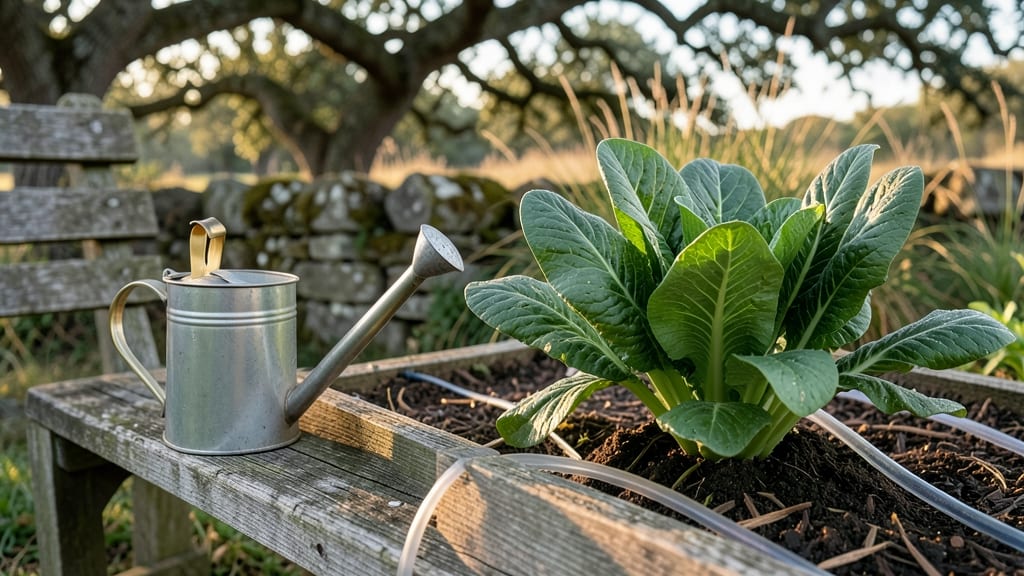
The best way to water garden boxes starts with the soil feeling like a wrung-out sponge—not soggy, not dry. I learned this after my first box turned into a swampy mess, drowning half my plants while the others wilted from thirst.
The key isn’t just how much you water, but how evenly and at what time of day.
Morning watering is your secret weapon—it gives roots time to drink up before the heat evaporates moisture. A simple drip irrigation system or a watering wand with adjustable flow works best, letting you control depth without creating runoff.
For smaller boxes, a good soak every other day keeps roots happy, while larger ones might need deeper watering twice a week.
You’ll know you’ve nailed it when the top inch of soil stays moist but not slick, and plants perk up instead of wilting. Overwatering? Yellow leaves and root rot. Underwatering? Crispy edges and stunted growth. The goal is that perfect middle ground where your garden thrives without drama.
Different plants have different thirst levels, so adjust based on what’s growing—drought-tolerant succulents need less, while leafy greens crave consistent dampness. A moisture meter or just sticking your finger in the soil works too. Trust your eyes and your hands, not just the calendar.
📚 In This Guide
- What you need
- Instructions
- Tips and common mistakes
- Wrapping up and next steps
What you need
- ● Watering can (5-10 gallon capacity) – Look for one with a rose attachment for gentle, even watering.
- ○ Hose with adjustable nozzle (optional but handy for larger boxes or quick watering).
- ● Soaker hose or drip irrigation kit – Saves time and ensures deep, consistent moisture (especially for raised beds).
- ○ Moisture meter (optional but highly recommended) – Helps track soil moisture levels like a pro! 🌡️
- ● Garden gloves – Protects your hands while adjusting hoses or checking soil.
- ● Timer (for irrigation systems) – Automates watering schedules (e.g., 10-15 minutes, 2x/day).
- ● Self-watering reservoir system – Ideal for travel or busy schedules (e.g., wicking beds).
- ● Rain gauge – Tracks natural rainfall to adjust watering needs.
- ● Organic mulch (straw, wood chips) – Retains moisture and reduces evaporation.
- ● Waterproof soil probe – Checks moisture depth without damaging roots.
Step-by-Step guide to watering garden boxes for perfect moisture
Here's how to keep your garden boxes thriving with the ideal balance of water—no guesswork, just consistent results.
Check Soil Moisture Before Watering
Stick your finger about 1 inch deep into the soil to gauge moisture levels. If it feels dry to the touch, it's time to water. I like to do this in the morning so I can adjust based on the day's forecast. Overwatering is the fastest way to kill plants, so never water just because it's "time"—always check first.
For containers, the top layer can dry out quickly while moisture remains deeper. Lift the pot slightly to feel its weight—if it's light, water is needed. Heavy pots usually mean the soil is still damp. This simple test saves gallons of wasted water while keeping roots happy.
Water Slowly and Deeply at the Base
Use a gentle stream from a watering can or hose with a shut-off nozzle to avoid disturbing the soil surface. Pour water directly at the base of plants, letting it soak in gradually. This encourages deep root growth rather than shallow, weak roots that happen when you water from above.
Water until you see moisture 1-2 inches down—this usually takes about 1-2 minutes per plant depending on pot size. You'll know you've done it right when water starts dripping from the drainage holes. This method mimics natural rainfall and prevents runoff that wastes water and leaches nutrients.
Adjust Frequency Based on Weather and Plant Type
In hot, dry weather, you may need to water every 1-2 days, while cooler conditions might only require watering every 3-4 days. Leafy greens like lettuce and spinach need more frequent moisture, while succulents and herbs can handle slightly drier soil. Always match your watering schedule to the plants you're growing.
Pay attention to the environment—windy days dry out soil faster, while humid mornings slow evaporation. I keep a small notebook by my garden boxes to track when and how much I water. After a few weeks, you'll notice patterns and can predict when your plants will need hydration.
Use Mulch to Retain Moisture Between Waterings
Spread a 1-2 inch layer of organic mulch (like straw or shredded leaves) over the soil surface after watering. This creates a protective barrier that locks in moisture while keeping roots cool. Mulch also prevents soil from crusting over, which blocks water from penetrating properly.
Replenish mulch as it breaks down or washes away. I like to refresh it every 2-3 weeks during the growing season. The darker the mulch, the better it is at absorbing heat and keeping roots warm—just avoid piling it directly against plant stems to prevent rot.
Watch for Signs of Overwatering or Underwatering
Yellowing leaves or wilting despite moist soil are red flags for overwatering—roots need air too! If the soil feels soggy or smells musty, hold off on watering and let it dry out slightly. Underwatered plants often have crispy leaf edges and droop even when you water them.
Adjust your routine based on what you observe. Healthy plants have firm stems, vibrant color, and consistent growth. If you notice mold or fungus on the soil surface, you're definitely overwatering. The key is balance—keep soil moist but never waterlogged, and your garden boxes will reward you with lush, thriving plants.
Tips & tricks for perfect garden box watering
Let me share the game-changing strategies I've learned after years of trial and error with my own garden boxes—these will help you achieve that perfect moisture balance every time.
Timing is Everything: In Step 1, when you're checking soil moisture, I've found that morning is ideal because it gives plants all day to absorb water before evening evaporation. If you must water in the evening, do it at least 3 hours before sunset to prevent fungal growth from prolonged wetness. The 1-2 minute watering time in Step 2 becomes even more critical during these times—don't rush it!
Equipment Matters: I can't recommend enough using a watering wand with an adjustable nozzle for Step 2. It gives you that gentle stream control that's essential for deep watering without disturbing the soil. For larger garden boxes, consider a soaker hose placed at the base—it delivers water right where roots need it most while preventing runoff. This is especially helpful if you're watering multiple boxes in quick succession.
Seasonal Adjustments: The watering frequency in Step 3 needs more nuance than just hot/dry vs cool conditions. In spring, when new roots are establishing, I water slightly more frequently (every 2 days) to encourage growth, even if temps are mild. Conversely, in late summer when plants are established, I might stretch to every 3-4 days despite heat. Keep that notebook handy—your garden will teach you its own rhythm!
Mulch Maintenance: For Step 4, don't just apply mulch once and forget about it. I refresh my 1-2 inch layer every 2 weeks during peak growing season because decomposed mulch loses its effectiveness. Pro tip: Save your coffee grounds! Mix a small amount into your mulch—it adds nitrogen as it breaks down and helps retain moisture even better. Just avoid piling it against stems to prevent rot.
Pro Tips for Best Way To Water Garden Boxes
- Let me share the game-changing strategies I've learned after years of trial and error with my own garden boxes—these will help you achieve that perfect moisture balance every time.
- Timing is Everything: In Step 1, when you're checking soil moisture, I've found that morning is ideal because it gives plants all day to absorb water before evening evaporation.
- Equipment Matters: I can't recommend enough using a watering wand with an adjustable nozzle for Step 2.
Frequently asked questions
Got questions about keeping your garden boxes thriving with the perfect watering routine?
You’re not alone—watering can be tricky! Here are answers to the most common concerns to help you avoid overwatering, underwatering, and other pitfalls.
How often should I water my garden boxes?
Check soil moisture daily during hot or dry spells—stick your finger 1-2 inches deep. If it feels dry, water thoroughly until it drains from the bottom. Most garden boxes need watering every 1-3 days, but this varies by plant type, climate, and season. Morning watering is ideal to reduce evaporation and fungal risks.
What’s the best time of day to water garden boxes?
Water in the early morning (5–9 AM) to allow plants to absorb moisture before the heat of the day. Avoid evening watering, as damp foliage overnight can encourage pests or diseases. If you must water in the evening, do so at least 3 hours before sunset to let leaves dry.
Can I use rainwater or tap water for my garden boxes?
Both work, but rainwater is ideal—it’s naturally soft and free of chlorine/fluoride, which can harm plants over time. If using tap water, let it sit out for 24 hours to dissipate chemicals. Avoid salty or heavily treated water, as it can build up in soil and damage roots.
Why are my plants wilting even though I’m watering them?
Wilting can mean overwatering or underwatering. Check the soil: if it’s soggy, you’re drowning roots (improve drainage with perlite or sand). If it’s bone-dry, water deeply and adjust your schedule. Other culprits? Root-bound plants, pests, or heat stress. Mulch helps retain moisture and regulate soil temperature.
What’s the difference between top-watering and bottom-watering?
Top-watering
(from above) is easiest but can cause runoff and uneven moisture. Bottom-watering (placing boxes in trays of water) encourages roots to grow deeper and reduces evaporation. For best results, combine both methods: water from the top to rinse leaves, then bottom-water to hydrate roots thoroughly.
Wrapping up and next steps
Mastering the art of watering garden boxes is all about balance—keeping soil consistently moist while avoiding waterlogged roots. Whether you’re using drip irrigation, soaker hoses, or a simple watering can, the key is observation and routine.
Start with the right tools, adjust based on your plants’ needs, and don’t forget to mulch for extra moisture retention.
You’ve got this! 🌱 With a little practice, your garden boxes will thrive. Ready to take it further? Experiment with self-watering systems or track your plants’ progress in a journal to fine-tune your technique. Happy gardening!