Vegetables
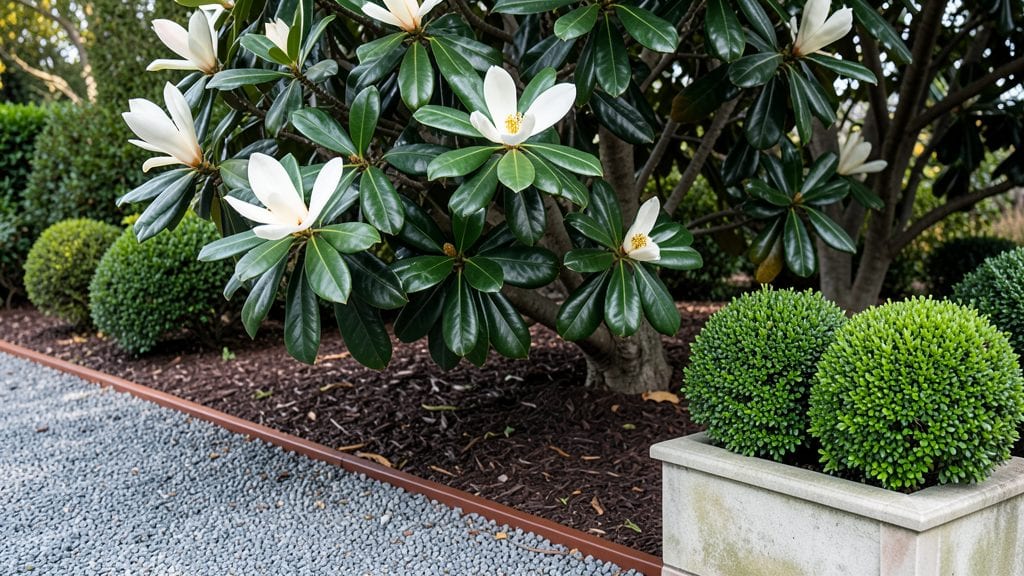
The best gardens in the USA don’t just look stunning—they teach us how to make our own spaces feel alive year-round. I remember visiting the Longwood Gardens in Pennsylvania and realizing how layers of foliage, seasonal color shifts, and unexpected textures could transform a yard from ordinary to extraordinary.
The way they blend perennials, annuals, and structural plants creates depth that feels intentional, not random.
What makes these gardens special isn’t just their size or budget—it’s the thoughtful combinations of plants that thrive together. Take the Denver Botanic Gardens’ Japanese Garden, where moss carpets the ground, maples arch overhead, and bamboo sways in the breeze.
You can recreate this effect in your own space with just a few key plants and a focus on height, texture, and seasonal interest. Even small yards can borrow these principles with containers or vertical gardens.
You’ll leave these gardens with ideas that work for any climate or space. The Sarah P. Duke Gardens in North Carolina, for example, proves that shade gardens can be just as dramatic as sun-drenched borders—using ferns, hydrangeas, and ornamental grasses to create lush layers.
The secret? Repetition of key plants and strategic placement of focal points, like a striking tree or sculpture, to draw the eye.
Here’s the best part: you don’t need a green thumb or acres of land to steal their magic. Start small—maybe with a single themed bed or a container arrangement—and let the inspiration grow from there. The goal isn’t perfection; it’s creating a space that feels like yours.
📚 In This Guide
- What you need
- Instructions
- Tips and common mistakes
- Wrapping up and next steps
What you need
- ● Soil & Amendments: Topsoil (1–2 cubic yards per 100 sq. ft., depending on depth)
- ● Compost (2–3 bags or 1 cubic yard for nutrient-rich soil)
- ● Organic fertilizer (e.g., 10-10-10 or slow-release options like worm castings)
- ● Mulch (2–3 inches of shredded bark, pine straw, or wood chips)
- ● Plants & Seeds: Native perennials or seasonal flowers (e.g., coneflowers, black-eyed Susans, or sunflowers)
- ● Vegetable seeds/transplants (e.g., heirloom tomatoes, kale, or peppers—check your USDA hardiness zone!)
- ● Herbs (basil, rosemary, or thyme for low-maintenance greenery)
- ● Watering Supplies: Drip irrigation kit or soaker hoses (50–100 ft. length)
- ● Watering can (1–2 gallon capacity)
- ● Hose with adjustable nozzle (¼” or ⅝” diameter)
- ● Basic Hand Tools: Trowel (stainless steel or ergonomic grip)
- ● Pruning shears (bypass-style for clean cuts)
- ● Garden gloves (nitrile-coated for durability)
- ● Kneeling pad (for comfort during long sessions)
- ● Heavy-Duty Tools: Shovel (round-point for digging, flat for edging)
- ● Garden fork (for aerating soil)
- ● Wheelbarrow (2–3 cubic feet capacity)
- ● Rake (bow or leaf rake, depending on debris)
- ○ Optional (But Helpful!) Extras: Soil pH tester (to check acidity/alkalinity)
- ● Laser level (for precise grading)
- ● Trellis or stakes (for climbing plants like beans or roses)
- ● Solar-powered lights (for evening ambiance)
- ● Check local zoning laws or HOA rules (some areas restrict large structures or native plant removal).
- ● Test your soil type (sandy, clay, or loamy)—amend as needed for drainage.
- ● Plan for water access (extension cords for tools, if needed).
- ○ Optional: Sketch a layout design (even a rough draft!) to visualize plant placement and pathways.
How to visit and experience the best gardens in the USA
These iconic landscapes deliver unmatched inspiration—here’s how to make the most of your visit.
Plan Your Seasonal Timing for Peak Beauty
The best gardens in the USA transform with each season, so timing matters. Spring visits to the New York Botanical Garden reveal azaleas in full bloom, while summer brings the Longwood Gardens in Pennsylvania to life with vibrant annuals and fountains. For fall foliage, Mount Cuba Center in Delaware offers breathtaking hues, and winter transforms the Desert Botanical Garden in Arizona into a serene, sunlit oasis.
Check each garden’s seasonal highlights before booking. For example, the Chicago Botanic Garden hosts the Luminaries light festival in winter, while the Lewis Ginter Botanical Garden in Virginia peaks in spring with its Peony Garden. Pro tip: Weekdays are less crowded, and early mornings provide the best light for photography.
Explore Themed Gardens for Unique Experiences
Don’t just wander—seek out the signature collections that make each garden exceptional. The Denver Botanic Gardens features the Japanese Garden, a tranquil escape with koi ponds and meticulously pruned maples. Meanwhile, the Huntington Library, Art Museum, and Botanical Gardens in California blends art and horticulture, where rare orchids and desert plants coexist in stunning displays.
For a sensory journey, visit the Strybing Arboretum in San Francisco, where fragrant roses and towering redwoods create an immersive experience. At the Missouri Botanical Garden, the Climatron geodesic dome offers a humid, tropical escape year-round. Always check for special exhibits—many gardens rotate displays to keep visits fresh.
Engage With Educational Programs and Tours
Most top gardens offer guided tours led by horticulturists who share insider knowledge. At the United States Botanic Garden in Washington, D.C., free expert-led walks reveal the medicinal and culinary uses of plants. The Longwood Gardens provides behind-the-scenes tours of its conservatory, where rare orchids and carnivorous plants thrive in controlled climates.
Many gardens also host workshops, from pruning techniques to native plant landscaping. The Lewis Ginter Botanical Garden offers hands-on classes on sustainable gardening, while the Desert Botanical Garden teaches water-wise techniques perfect for arid climates. These programs deepen your appreciation and bring you home with practical skills.
Capture the Beauty Without Disrupting the Experience
Photography is encouraged, but respect garden rules to preserve the magic. At the New York Botanical Garden, avoid flash photography in greenhouses to protect sensitive plants. The Chicago Botanic Garden allows drones in designated areas—check their website for current policies. For the most dramatic shots, visit during golden hour (just after sunrise or before sunset), when light enhances textures and colors.
Bring a small notebook to sketch or jot down plant names you want to research later. Many gardens provide maps with QR codes linking to plant details. If you’re visiting with children, the Children’s Garden at the Missouri Botanical Garden offers interactive exhibits that make learning fun—perfect for sparking a lifelong love of gardening.
Tips & tricks for perfect garden visits
Transforming a simple garden visit into an unforgettable experience takes more than just showing up—it requires insider knowledge and thoughtful preparation. Here are the secrets that elevate every trip to these iconic landscapes.
Seasonal Timing is Everything: While the instructions highlight seasonal highlights, I can’t stress enough how critical it is to verify each garden’s specific bloom schedules before you go. For instance, the Peony Garden at Lewis Ginter Botanical Garden reaches its peak in mid-April, but a week earlier or later means missing the show entirely. I always check the garden’s website or call ahead—some gardens have "bloom clocks" that predict exact timing. This attention to detail ensures you witness nature’s most spectacular displays at their absolute best.
Go Beyond the Main Paths: The instructions mention exploring themed gardens, but here’s what nobody tells you: the most magical moments often happen between the main attractions. At the Denver Botanic Gardens, for example, the Japanese Garden’s lesser-known Strolling Pond Garden offers a quieter, more intimate experience with fewer crowds. I’ve found that gardens often have secondary sections that feel like hidden gems—ask staff for their recommendations or look for less-traveled pathways marked on maps. This approach transforms a routine visit into a personalized adventure.
Leverage the Expert Knowledge: The instructions highlight educational programs, but the real magic happens when you engage with horticulturists during tours. I’ve learned more about plant care and conservation during these sessions than in months of casual browsing. At the United States Botanic Garden, the free expert-led walks reveal fascinating details about medicinal plants you’d never notice on your own. Don’t hesitate to ask questions—most guides are passionate about sharing their expertise. Pro tip: Bring a small notebook to jot down interesting facts or plant names you want to research later.
Photography Without the Guilt: The instructions mention photography rules, but here’s how to capture stunning shots without disrupting the experience. I always bring a tripod for golden hour shots and use a polarizing filter to enhance colors—especially in gardens with reflective surfaces like the Longwood Gardens fountains. For close-up photography, I carry a macro lens to capture intricate details of flowers and foliage. And remember: some gardens allow drone photography in designated areas, but always check their policies beforehand to avoid any surprises.
Pro Tips for Best Gardens In Usa
- Transforming a simple garden visit into an unforgettable experience takes more than just showing up—it requires insider knowledge and thoughtful preparation.
- Seasonal Timing is Everything: While the instructions highlight seasonal highlights, I can’t stress enough how critical it is to verify each garden’s specific bloom schedules before you go.
- Go Beyond the Main Paths: The instructions mention exploring themed gardens, but here’s what nobody tells you: the most magical moments often happen between the main attractions.
Frequently asked questions
Planning a visit to one of the best gardens in the USA? Here are answers to common questions to help you prepare and make the most of your experience!
What’s the best time of year to visit these gardens?
The ideal time depends on the garden! Spring and summer (April–July) offer vibrant blooms, while fall (September–November) showcases stunning foliage. Winter (December–February) can be magical in milder climates like California’s gardens, with fewer crowds. Pro tip: Check each garden’s website for seasonal events—some host holiday lights or rare plant displays!
Are tickets expensive, and are there discounts available?
Costs vary widely—some gardens are free (like Brooklyn Botanic Garden’s public areas), while others charge $15–$30 per adult. Discounts are common for seniors, students, or group visits. Many gardens offer online advance tickets at reduced rates. Tip: Look for memberships if you plan to visit multiple times!
Are these gardens family-friendly, and what activities do they offer?
Most top gardens feature interactive exhibits, guided tours, and kid-friendly trails. For example, Longwood Gardens has a children’s garden, while Denver Botanic Gardens offers family scavenger hunts. Check for seasonal events like butterfly releases or holiday workshops.
How do I get there, and is parking available?
Accessibility depends on the location—urban gardens (e.g., New York Botanical Garden) are easy to reach via public transit, while rural ones (like Strybing Arboretum) may require a car. Parking is usually provided, but arrive early on weekends. Some gardens partner with rideshares for discounts!
Can I take photos, and are there any restrictions?
Photography is generally allowed, but drones and tripods may be prohibited. Some gardens (like Keukenhof) restrict photos in certain areas to preserve plant health. Always check signs or ask staff. Pro tip: Golden hour (sunrise/sunset) makes for the best garden photos!
What should I wear and bring for a comfortable visit?
Dress in layers and comfortable shoes—gardens often have uneven paths! Bring sunscreen, a hat, and water, especially in hot climates. A small notebook helps if you’re sketching plants, and a reusable water bottle is eco-friendly. Tip: Check the weather forecast and pack a light jacket for cooler mornings or evenings.
Wrapping up and next steps
From the lush Longwood Gardens in Pennsylvania to the serene Desert Botanical Garden in Arizona, America’s gardens prove that nature’s beauty is endless—no matter the season! 🌸 Whether you’re a plant enthusiast or just love wandering through vibrant landscapes, these iconic spots offer inspiration, education, and pure tranquility.
Ready to explore? Plan your visit—pack your camera, grab a guidebook, and let these gardens spark your next green adventure! 🌿✨
- Next step: Pick a garden from this list and check its official website for event schedules, entry fees, or seasonal highlights.
- Pro tip: Many gardens offer discounts for students, seniors, or families—always ask about deals!