
Companion Plants
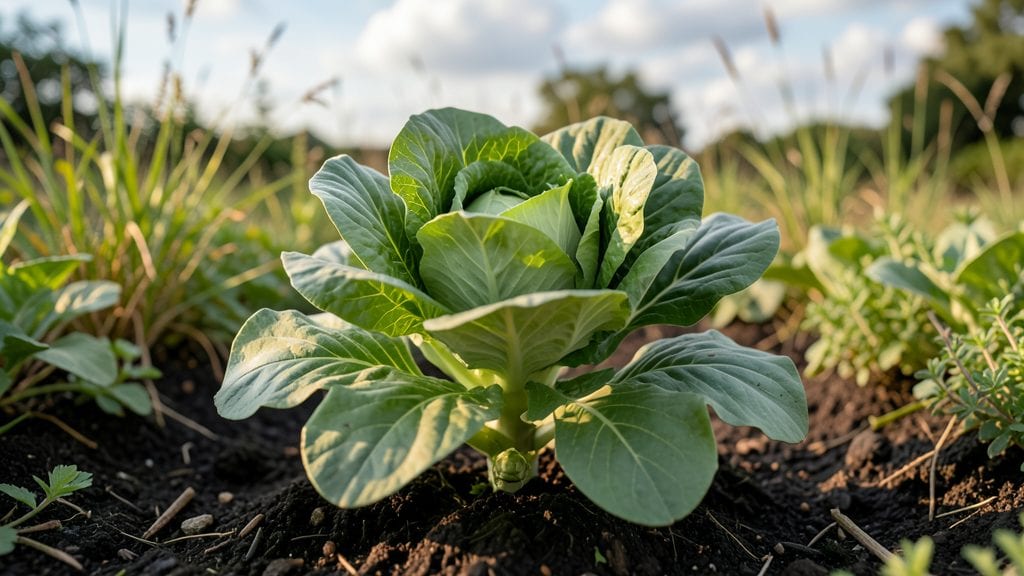
The best beginner garden plants are fast-growing companions that turn impatient first-timers into instant green thumbs—no waiting for slow tomatoes required. 🌱 The right plants reward you with visible progress within weeks, not seasons.
Think snap peas that climb in under 60 days, bush beans producing pods in 50, or zucchini vines exploding with fruit by July. These plants thrive in average soil, tolerate occasional missed waterings, and forgive beginner mistakes like overcrowding.
Even my black thumb can't kill them when given basic sunlight and consistent moisture.
You'll end up with a garden that looks lush and productive by midsummer, not a patch of brown dirt and wilting seedlings. The confidence boost from seeing real results—fresh peas, crisp lettuce, or bright marigolds—makes every gardening season after that feel effortless.
Here's how to pick the perfect fast starters for your space.
Works in containers, raised beds, or in-ground plots—just match the plant to your sunlight conditions (full sun for tomatoes, partial shade for lettuce). The key is starting with these proven performers that grow fast enough to keep you hooked for years to come.
📚 In This Guide
- What you need
- Instructions
- Tips and common mistakes
- Wrapping up and next steps
What you need
- ● Beginner-friendly plants: Choose 3-5 easy-to-grow companions like bush beans, radishes, lettuce, marigolds, or basil. Start with 2-3 plants per variety for variety and resilience.
- ● Potting soil or garden soil: 1-2 bags (10-20 lbs each) of high-quality, well-draining soil. For containers, use a mix designed for seedlings or vegetables.
- ● Containers or garden space: For containers: 5-inch pots (minimum 1 per plant) or a raised bed (at least 6" deep). Ensure they have drainage holes!
- ● For in-ground planting: A small plot (3’x3’ or larger) with loose, fertile soil.
- ● Seeds or seedlings: Purchase from a local nursery or online retailer. Opt for organic, non-GMO seeds if preferred.
- ● Watering can or hose with a gentle spray nozzle: A 1-gallon can or a hose attachment for precise watering.
- ○ Fertilizer (optional but helpful): A balanced, slow-release fertilizer (e.g., 10-10-10) or compost. Use sparingly—follow package instructions!
- ● Garden trowel: A small, sturdy trowel (6-8 inches) for digging and transplanting.
- ● Gloves: A pair of lightweight, breathable gardening gloves to protect your hands.
- ○ Pruners (optional): Small bypass pruners for trimming or harvesting.
- ○ Mulch (optional): Straw or shredded leaves to retain moisture and suppress weeds. Use 1-2 inches over soil.
- ● 🌡️ Check your climate: Pick plants suited to your USDA Hardiness Zone (find yours here).
- ● ✨ Label your plants: Use small stakes or tags to track what you’ve planted—especially helpful for beginners!
- ● 💧 Water wisely: Keep soil consistently moist (not soggy) during the first 2 weeks after planting.
Step-by-Step guide to selecting and planting fast-growing beginner garden plants
Here's how to choose and grow four reliable, quick-starting plants that build confidence fast.
🌱 Step 1: Choose Four Fast-Growing Varieties
Start with bush beans, radishes, lettuce, and marigolds—they all mature in 30-60 days and tolerate beginner mistakes. Bush beans produce edible pods in 45-55 days and thrive in full sun with minimal fuss. Radishes mature in 25-30 days, making them perfect for quick gratification. Leaf lettuce grows in 30-40 days and handles partial shade better than most greens. Marigolds bloom in 45-55 days, deter pests, and add vibrant color.
I always buy certified organic seeds or transplants from a trusted nursery. Check the back of seed packets for "days to maturity"—that's your timeline. For this guide, we'll focus on these four because they're disease-resistant, fast, and forgiving of watering errors. Avoid delicate plants like tomatoes or peppers until you've mastered these basics.
🪴 Step 2: Prepare the Planting Site
Select a 6-inch-deep area of loose, well-draining soil in full sun (6+ hours daily) for beans and marigolds. Lettuce and radishes tolerate partial shade (4-6 hours) but grow best with morning sun. Clear weeds and loosen the top 4 inches of soil with a garden fork—this prevents roots from struggling against compacted earth.
Add 2 inches of compost (from your materials list) and mix it into the top 6 inches of soil. This boosts nutrients without overwhelming new plants. Test moisture by squeezing a handful—it should hold together but crumble when you poke it. If it feels dry, water until 6 inches deep (use a moisture meter or dig a small hole to check). Overwatering here is worse than underwatering—you'll know it's right when the soil looks dark and damp but not soggy.
💧 Step 3: Plant Seeds at Correct Depths
Sow bush bean seeds 1 inch deep, spacing them 3 inches apart in rows 18 inches apart. Radishes go ½ inch deep, 1 inch apart, in rows 12 inches apart. Lettuce seeds are tiny—plant them ¼ inch deep, 6 inches apart, in rows 12 inches apart. Marigold seeds need ¼ inch depth, 12 inches apart—they'll spread naturally.
I use a small stick to make holes for seeds and cover them with a light sprinkle of soil. Press gently but don't pack it down—roots need air. Water immediately after planting, using a fine-mist spray nozzle to avoid washing seeds away. Keep the soil evenly moist (not soggy) until germination. You'll see first true leaves in 7-14 days—that's your signal everything is working.
☀️ Step 4: Maintain Water and Light Consistency
Water every 2-3 days until the top 1 inch of soil feels dry. Beans and marigolds need 1 inch of water weekly, while lettuce and radishes prefer ½ inch. I water in the early morning to reduce evaporation and fungal risks. Use a soaker hose or drip irrigation to keep leaves dry—wet foliage invites disease.
Monitor sunlight daily. If plants start stretching toward light (a sign of legginess), they need more. Move containers or adjust shading as needed. Mulch with 2 inches of straw (from your materials list) after germination to retain moisture and suppress weeds. This step alone cuts watering time in half—real talk, it's a game-changer.
✂️ Step 5: Harvest and Encourage Regrowth
Radishes are ready when tops reach ½ inch diameter—pull them gently to avoid damaging nearby plants. Harvest lettuce leaves outer to inner (cut-and-come-again method) when they're 3-4 inches tall. Bean pods mature when they're 4-5 inches long and firm to the touch. Pinch off marigold blooms to encourage more flowers—this keeps them producing all season.
After harvesting, feed the soil with another 1 inch of compost and water deeply. This replenishes nutrients and encourages new growth. You'll see second flushes of radishes and lettuce within 2 weeks if you maintain consistent moisture. The key to fast regrowth is never letting the soil dry out completely—even for a day.
Tips & tricks for perfect fast-growing beginner garden plants
These simple strategies will help you grow confidently with minimal fuss—no green thumb required.
Timing Secret: The 7-14 day germination window is your first victory sign. Mark your planting date on the calendar and check daily for those first true leaves. Radishes often pop up first—use them as your progress indicator for the other plants. I've seen radishes sprout in just 5 days under ideal conditions, so don't be surprised if they beat your expectations.
Soil Prep Game-Changer: When loosening that top 4 inches of soil in Step 2, think of it like fluffing a pillow—roots need air to breathe. Use a garden fork to break up compacted layers gently, especially if your yard has heavy clay soil. I've found that adding a handful of perlite to your compost mix (before incorporating into soil) improves drainage dramatically for these shallow-rooted plants.
Watering Wisdom: The "1 inch of soil feels dry" test in Step 4 is more reliable than checking the calendar. Stick your finger in—if it comes out clean, water. If it's damp, wait. I keep a small notebook by my garden to track moisture levels; after a week, you'll recognize when your soil needs water just by looking at it. Morning watering isn't just about evaporation—it gives leaves time to dry before evening, preventing fungal issues.
Harvesting Hack: For lettuce, I harvest leaves when they're about 3-4 inches tall by cutting just above the lowest set of leaves. This leaves the plant with enough energy to regrow while you enjoy fresh greens. With radishes, I pull them when they reach half-inch diameter—any larger and they become woody. The key is consistency: harvest frequently to encourage continuous production rather than waiting for one big harvest.
Pro Tips for Beginner Garden Plants
- These simple strategies will help you grow confidently with minimal fuss—no green thumb required.
- Timing Secret: The 7-14 day germination window is your first victory sign.
- Soil Prep Game-Changer: When loosening that top 4 inches of soil in Step 2, think of it like fluffing a pillow—roots need air to breathe.
Frequently asked questions
Got questions about diving into beginner-friendly gardening? You’re not alone! Here are some of the most common queries—and straightforward answers—to help you grow with confidence.
What are the easiest plants for beginners to grow?
Start with fast-growing, low-maintenance companions like bush beans, radishes, lettuce, or zucchini. These thrive in most climates, tolerate occasional neglect, and reward you with quick harvests. Avoid fussy plants like orchids or citrus until you’ve mastered the basics!
How long does it take to see results with beginner plants?
Most fast-growing companions deliver edible or decorative results in 30–60 days. Radishes sprout in 3 weeks, while bush beans or zucchini may take 4–6 weeks. Track your progress with a simple garden journal—it’s motivating to see your efforts pay off!
Can I grow these plants in containers or small spaces?
Many beginner plants thrive in containers, including herbs (basil, parsley), dwarf tomatoes, and peppers. Use pots at least 5–12 inches deep with drainage holes. Just ensure they get 6+ hours of sunlight daily—even a sunny balcony works!
What should I do if pests or diseases appear?
Don’t panic! Start with preventative care: water at the base (not leaves), remove affected foliage, and introduce beneficial insects like ladybugs. For mild issues, a soapy water spray (1 tsp mild soap per quart of water) often works. If problems persist, research plant-specific solutions or consult a local nursery.
Are there any plants I should avoid as a beginner?
Skip perennials (like lavender or asparagus) or high-maintenance crops such as artichokes or figs. Also, avoid invasive species (e.g., mint or bamboo) unless you’re prepared for their aggressive growth. Stick to annuals or biennials—they’re forgiving and perfect for building skills!
Wrapping up and next steps
Starting your first garden doesn’t have to be overwhelming—with the right beginner garden plants, you’ll enjoy fast, rewarding growth and a thriving companion garden in no time! 🌱 From hardy herbs like basil to resilient veggies such as lettuce, these plants are perfect for building confidence and skills.
Remember, even the smallest steps—like adding a few pots or a small raised bed—can lead to big results.
Ready to dive in? Start small, track your progress, and don’t hesitate to experiment! Next, grab your gardening gloves and review your supplies—your green thumb is just a seed away. Happy planting! 🌟