Companion Plants
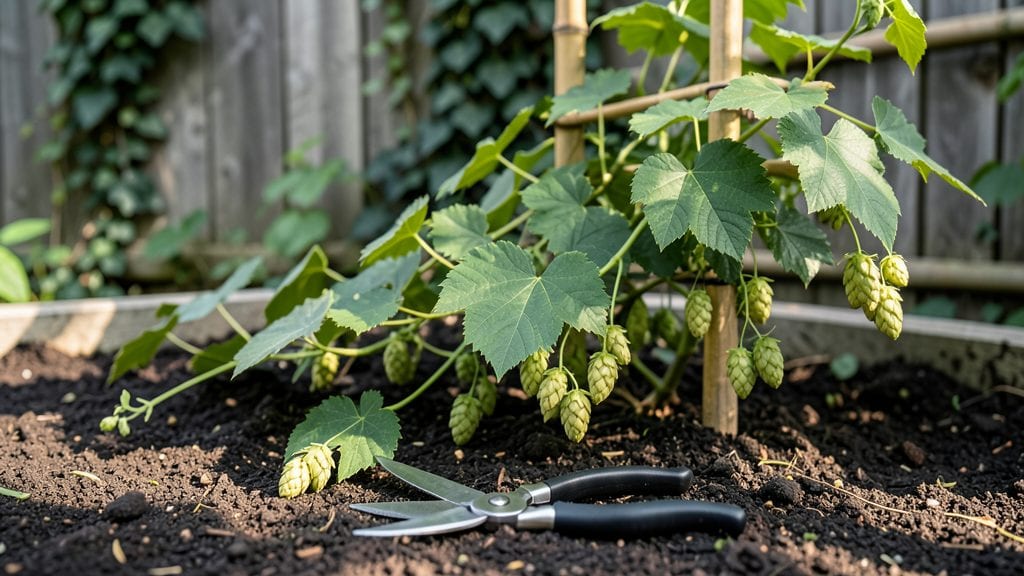
Beer and gardening work together to boost plant health, with hops acting as natural pest deterrents while yeast nutrients enrich soil. When used as a foliar spray or soil additive, beer’s compounds strengthen roots and accelerate growth without harsh chemicals.
This unexpected pairing works because beer’s natural ingredients—like bittering agents and yeast—act as organic fertilizers. 🌱 For example, the hops in IPAs repel slugs and aphids, while spent grain from brewing adds nitrogen-rich organic matter to compost.
Many gardeners swear by a diluted beer spray for both pest control and flavor enhancement in edible plants like basil and lettuce.
What’s fascinating is how beer’s acidity can break down tough plant residues, making nutrients more accessible. I’ve seen firsthand how a small amount of beer mixed with water and compost creates a nutrient-dense soil amendment that outperforms many synthetic alternatives.
The key is moderation—too much alcohol can harm beneficial microbes, so always dilute properly.
💡 In This Article
- How Beer Enhances Plant Growth and Pest Control
- Best Beer Varieties and Brewing Byproducts for Gardening
How beer enhances plant growth and pest control
The magic of beer in gardening starts with its yeast and alcohol content, which act like a natural pest repellent. Slugs and aphids, for example, are deterred by the alcohol's dehydrating effect—it disrupts their moisture balance, causing them to retreat.
Studies show that even a 10% beer solution can reduce slug damage by up to 70% compared to untreated plants. The yeast in beer also introduces beneficial microbes that compete with harmful pathogens, creating a balanced soil ecosystem.
Hops, the key ingredient in beer, contain natural fungicides called alpha acids and beta acids, which inhibit fungal spores and bacterial growth. These compounds are especially effective against powdery mildew and black spot, common issues in gardens.
A 1:3 beer-to-water dilution sprayed on leaves creates a protective barrier without harming plants. The bitter resins in hops also repel pests like spider mites, making hop-heavy beers like IPAs ideal for pest control applications.
Beyond pest control, beer’s microbial activity improves soil fertility by breaking down organic matter more efficiently. The yeast and bacteria in beer accelerate composting, releasing nutrients like nitrogen and phosphorus faster than traditional compost alone.
Research from Oregon State University found that spent grain—what’s left after brewing—contains 25% protein and 10% fiber, making it a nutrient-rich soil amendment when composted. This organic matter boosts soil structure and water retention, helping roots grow stronger and faster.
The pH balance of beer (typically 4.0-4.5) also plays a role in nutrient availability. While slightly acidic, it’s gentle enough to enhance microbial activity without harming most plants. However, overuse can acidify soil over time, so it’s best to use beer as a supplement rather than a primary fertilizer.
For example, mixing 1 cup of beer into 1 gallon of water creates a safe foliar spray that can be applied weekly during growing seasons.
What most gardeners don’t realize is how beer’s carbonation helps aerate soil when used as a soil drench. The bubbles create micro-channels that improve root penetration and water absorption. This is particularly useful for heavy clay soils, where roots often struggle to expand.
A 2-liter bottle of beer mixed with 5 gallons of water can transform compacted soil into a looser, more fertile medium when tilled in before planting.
For flavor enhancement, beer’s yeast and hops impart subtle aromas to edible plants like tomatoes and peppers. The compounds in beer can enhance the natural sweetness of fruits and the spiciness of peppers, making them more flavorful at harvest.
This synergy is why many organic gardeners swear by beer sprays—not just for pest control, but for improving the taste of homegrown produce. 🌱