
Advice
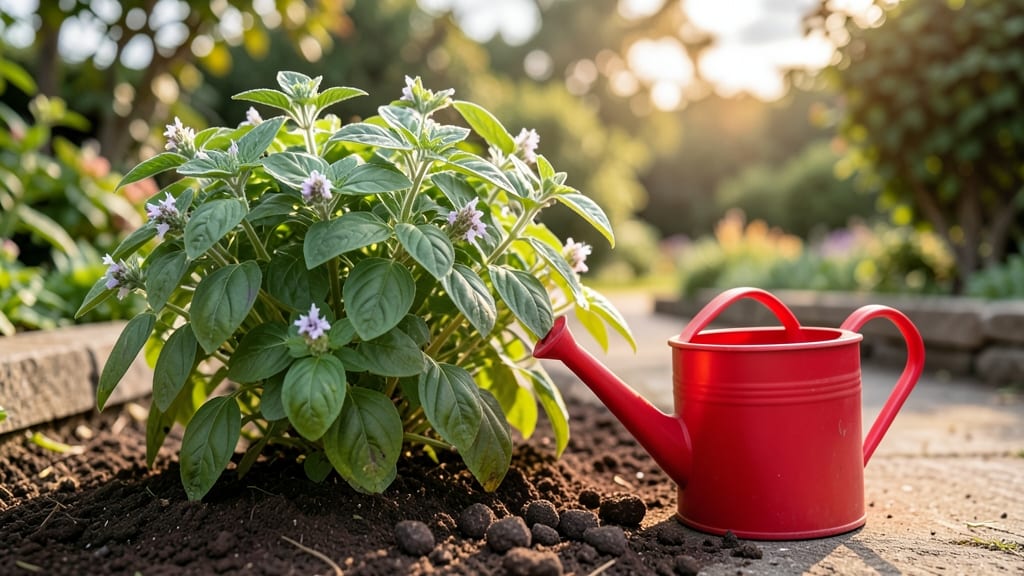
My basil gardening tips for healthier leaves start with sunlight—6 to 8 hours of bright, direct light is non-negotiable for that classic sweet aroma and glossy foliage. 🌿 I’ve grown basil in everything from sunny windowsills to shady corners, and the difference in leaf quality is night-and-day.
The plants I coddle with morning sun and afternoon shade stay vibrant while those in low light turn leggy and pale.
Pinching back the top sets just above a leaf pair when stems reach 6 inches forces bushier growth and prevents that sad, sparse look. Water only when the top inch of soil feels dry—overwatering is the silent killer of basil, leading to yellowing leaves and root rot.
A simple spray bottle keeps humidity up during dry spells, and I swear by neem oil for early pest prevention before aphids even show up.
📚 In This Guide
- What you need
- Instructions
- Tips and common mistakes
- Wrapping up and next steps
What you need
- ● Basil plants or seeds: Start with Genovese, Thai, or Purple basil (6-12 plants or 2-3 seed packets for a small garden).
- ● Containers or garden bed: For containers: 6–12-inch deep pots (1 plant per pot) with drainage holes. Use 3–5 pots for a starter harvest.
- ● For garden beds: Well-draining soil in a sunny spot (6+ hours of light). Space plants 12–18 inches apart.
- ● High-quality potting mix: 1–2 bags of organic, well-draining soil (avoid garden soil—it compacts!).
- ● Watering can or hose: With a gentle spray nozzle to avoid damaging leaves.
- ● Fertilizer: Balanced liquid fertilizer (e.g., 10-10-10) OR
- ● Organic options: Compost tea or worm castings (1 cup per plant monthly).
- ● Pruning shears: Sharp, sterilized scissors (clean with rubbing alcohol between cuts).
- ○ Gloves: Protect your hands from soil and thorns (optional but highly recommended!).
- ● Mulch: Straw or shredded leaves to retain moisture and suppress weeds.
- ● Grow lights: LED lights (12–16 hours/day) if growing indoors near low sunlight.
- ● pH test kit: Ensure soil pH is 6.0–7.0 (basil thrives in slightly acidic to neutral soil).
- ● Pest control: Neem oil spray (for aphids/spider mites)
- ● Yellow sticky traps (for whiteflies)
- ● Support stakes: Tall varieties (like Thai basil) may need bamboo stakes for support.
Instructions for growing basil with stronger, healthier leaves
Here's how to coax basil into vibrant, disease-resistant foliage using light and care.
☀️ Step 1: Position for Maximum Sunlight
Basil thrives in 6-8 hours of direct sunlight daily, but morning sun is gentler than harsh afternoon rays. Place your plants where they get at least 6 hours of light—a south-facing window or balcony works best. If growing indoors, keep them within 12 inches of a bright window or use a grow light for 14-16 hours daily.
Watch for leaves that turn pale or stretch toward the light—this means more brightness is needed. Rotate the pot a quarter turn weekly so all sides grow evenly. Basil grown in low light becomes leggy and weak, with leaves that yellow at the edges.
💧 Step 2: Water Deeply but Sparingly
Water basil when the top inch of soil feels dry to the touch, usually every 2-3 days in warm weather. Use room-temperature water to avoid shocking the roots, and pour slowly at the base until water runs out the drainage holes. Overwatering causes yellow leaves and root rot, while underwatering makes leaves crispy and brittle.
I like to water in the morning so excess moisture evaporates by evening. Avoid wetting the leaves—this invites fungal diseases like downy mildew. If you see water droplets lingering on foliage, adjust your watering technique immediately.
✂️ Step 3: Prune for Bushier Growth
Pinch off the top set of leaves when the plant reaches 6 inches tall to encourage branching. This simple step prevents basil from growing tall and spindly. Use clean scissors or fingers to snip just above a leaf node (where leaves meet the stem). Regular pruning keeps the plant compact and produces more leaves.
Harvest leaves frequently—every 2-3 weeks—to stimulate new growth. Never take more than one-third of the plant at once, or you’ll stress it. If you see flowers forming, snip them immediately; flowering signals the end of the basil’s productive life.
🪴 Step 4: Fertilize Lightly for Stronger Leaves
Feed basil with a balanced liquid fertilizer (10-10-10) diluted to half-strength every 4-6 weeks during the growing season. Over-fertilizing burns roots and causes weak, yellow leaves. I mix the fertilizer with water and apply it to the soil, not the leaves, to avoid chemical burns.
Look for deep green leaves with a glossy finish—that’s your sign the plant is thriving. If leaves turn yellow or wilt, flush the soil with plain water to remove excess salts. Basil doesn’t need heavy feeding; it’s happier with gentle, consistent care than with heavy doses of fertilizer.
🌿 Step 5: Protect from Pests and Diseases
Check leaves regularly for signs of pests like aphids or spider mites—tiny webs or sticky residue on the undersides of leaves are red flags. Spray affected areas with neem oil solution (1 tsp neem oil + 1 quart water) to deter pests naturally. Avoid chemical sprays, which can damage basil’s delicate foliage.
Improve air circulation by spacing plants 12-18 inches apart to prevent fungal diseases. If you notice white powdery spots (powdery mildew), remove infected leaves immediately and treat with a baking soda spray (1 tsp baking soda + 1 quart water + a drop of dish soap). Healthy basil grows strong enough to resist most problems with proper care.
Tips & tricks for healthier basil leaves
Here's what I learned after growing basil for years—and how to avoid the mistakes I made early on.
Lighting Strategy: If your basil isn't getting enough natural light, supplement with a grow light placed 6-12 inches above the plant. I use a simple LED grow light on a timer for 14-16 hours daily—this mimics summer sunlight and prevents leggy growth. Position the light so it covers the entire plant evenly, and adjust the height as the basil grows taller.
Soil and Drainage: Basil hates soggy roots, so make sure your pot has drainage holes. I always use a well-draining potting mix blended with 20% perlite or vermiculite to improve aeration. If you're repurposing a container, test drainage by filling it with water—if it doesn't drain within 10 minutes, add more perlite or switch to a different pot.
Pruning Hack: When pinching back the top leaves in Step 3, look for where the stem has at least 4-5 leaf nodes below your cut. This ensures you're always leaving enough foliage for the plant to continue photosynthesizing. I also like to harvest leaves in the morning when essential oils are at their peak, giving you the most flavorful basil for cooking.
Pest Prevention: The key to avoiding pests is consistency. I inspect my basil plants every 2-3 days for early signs of trouble, especially on the undersides of leaves. If you spot aphids, wipe them off with a damp cloth before resorting to sprays. For spider mites, increase humidity around the plant by misting nearby foliage (but never the basil itself) to create an environment they dislike.
Pro Tips for Basil Gardening Tips Healthier Leaves
- Here's what I learned after growing basil for years—and how to avoid the mistakes I made early on.
- Lighting Strategy: If your basil isn't getting enough natural light, supplement with a grow light placed 6-12 inches above the plant.
- Soil and Drainage: Basil hates soggy roots, so make sure your pot has drainage holes.
Frequently asked questions
How much sunlight does basil really need for healthy leaves?
Basil thrives in full sun—at least 6–8 hours of direct sunlight daily. If leaves turn pale or leggy, it’s craving more light. In hot climates, partial shade (morning sun + afternoon shade) prevents scorching. Start with a sunny spot and adjust based on leaf color!
Why are my basil leaves turning yellow or crispy?
Yellow leaves often mean overwatering—basil hates soggy roots. Crispy edges? Underwatering or too much sun. Check soil moisture (top inch should be dry), and ensure pots have drainage holes. Mist leaves occasionally in dry heat to boost humidity.
How often should I harvest basil to keep it healthy?
Harvest basil regularly—pinch off top sets of leaves (just above a leaf pair) when the plant is 6–8 inches tall. This encourages bushier growth. Avoid cutting more than 1/3 of the plant at once, or it may struggle to recover. Morning harvests yield the freshest flavor!
Can I grow basil indoors with artificial light?
Yes! Use a grow light (LED or fluorescent) 12–16 hours/day, 6 inches above the plant. Place basil near a sunny window for extra light, but avoid cold drafts. Rotate the pot weekly so growth stays even. Indoor basil may grow slower but stays just as flavorful!
What’s the best way to revive wilting basil?
Wilting usually means root stress—check for over/underwatering. Trim damaged leaves, repot if roots are crowded, and adjust watering. Prune back by 1/3 to encourage new growth. If soil is waterlogged, let it dry out before repotting. Patience is key—healthy leaves return in 1–2 weeks!
Wrapping up and next steps
Growing lush, healthy basil is all about understanding its sunlight needs, soil conditions, and a little tender care! By following these basil gardening tips, you’ll enjoy vibrant leaves packed with flavor and nutrients.
Whether you’re a beginner or a seasoned gardener, small adjustments—like proper spacing, consistent watering, and strategic pruning—can make a world of difference.
Ready to turn your green thumb into a basil-growing superstar? 🌱 Start small—plant a few pots or a dedicated garden bed—and watch your basil thrive. Before you know it, you’ll be harvesting fresh, fragrant leaves for your favorite recipes! Happy gardening!