Container Gardens
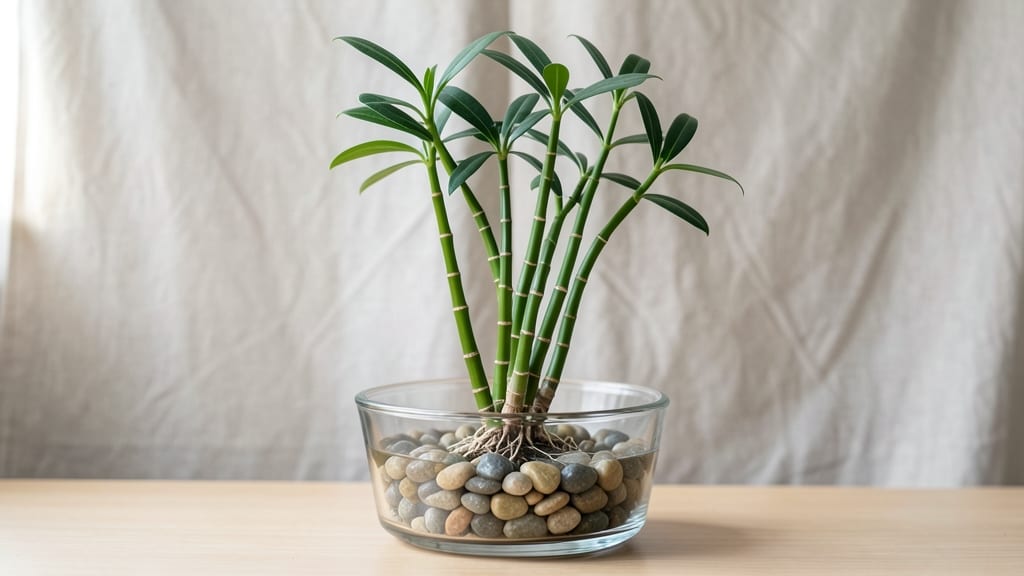
A bamboo garden in Chicago thrives with cold-hardy varieties like Bambusa multiplex (Dwarf Bamboo) or Fargesia robusta (Robust Pencil Bamboo), which tolerate USDA Zone 5 climates and urban conditions. Opt for clumping types to control spread, and plant in well-drained soil with winter mulch for protection.
A bamboo garden in Chicago's urban landscape requires smart species selection to handle harsh winters and limited space. 🌿 The cold-hardy varieties I recommend aren't just about surviving Zone 5 temperatures—they're designed to thrive in city environments where wind and compacted soil can stress plants.
For example, Fargesia robusta maintains its green foliage year-round, while Phyllostachys aureosulcata (Yellow Groove Bamboo) offers striking color contrast while enduring Chicago's temperature swings. The key difference between clumping and running types becomes especially important in urban settings, where containment prevents unwanted spread into neighboring properties.
When designing your space, consider using containers for smaller varieties like Bambusa multiplex, which stays under 6 feet tall and wide. This approach gives you flexibility to create privacy screens or focal points without permanent installation.
For ground planting, amend heavy clay soils with compost and perlite to improve drainage—a common issue in Chicago's urban areas. I've found that adding 3-4 inches of mulch in late fall creates an insulating barrier that protects roots during winter's deepest freezes.
💡 In This Article
- Cold-Hardy Bamboo Types for Chicago’s Climate
- Designing a Low-Maintenance Bamboo Garden in Chicago
Cold-hardy bamboo types for Chicago’s climate
Chicago’s USDA Zone 5 climate—with winter lows often dropping to -15°F—demands bamboo varieties that can withstand freezing temperatures while adapting to urban stressors. The key species like Fargesia robusta and Phyllostachys aureosulcata have evolved specialized mechanisms to survive these conditions.
Their rhizome systems produce antifreeze-like compounds that prevent cellular damage during freeze-thaw cycles, similar to how evergreen trees protect their foliage. These varieties also develop dense culm walls that act as natural insulation, reducing heat loss from the plant’s core during cold snaps.
The structural differences between evergreen and deciduous bamboos directly impact their seasonal performance in Chicago. Fargesia species like F. robusta are evergreen, meaning they retain their leaves year-round, which helps them photosynthesize even in winter’s weak sunlight.
Their leaves have a waxy coating that reduces water loss and ice formation, allowing them to maintain color through 20°F temperatures. In contrast, deciduous varieties like Phyllostachys shed their leaves in winter, conserving energy during dormancy but requiring more sunlight in spring to regrow foliage.
This trade-off makes evergreens ideal for windbreaks, while deciduous types offer seasonal interest with fresh new shoots in spring.
Urban environments add another layer of challenge, particularly with wind exposure and soil compaction. Chicago’s lake-effect winds can reach 40 mph in winter, but species like Fargesia nitida (Fountain Bamboo) have flexible culms that bend rather than snap, reducing wind damage.
Their clumping growth habit also prevents the rhizomes from spreading uncontrollably, which is critical in small urban gardens. The dense culm arrangement creates microclimates that trap heat near the plant base, further protecting roots.
For comparison, running bamboos like Phyllostachys bissetii would spread aggressively, making them unsuitable for most Chicago yards without physical barriers.
Snow load is another critical factor, as heavy Chicago winters can bend or break weaker bamboo varieties. Fargesia species typically support 1-2 feet of snow without structural damage due to their sturdy, segmented culms. Their upright growth habit allows snow to slide off easily, whereas sprawling types would accumulate weight.
This resilience makes them perfect for privacy screens or foundation plantings where winter durability is essential. The trade-off? Evergreen varieties may require occasional pruning to remove damaged leaves, while deciduous types offer a clean slate each spring with minimal maintenance.
For those considering color contrast, Phyllostachys aureosulcata stands out with its golden-yellow culms that remain vibrant even in winter. Its temperature tolerance extends to -10°F, and the bright stripes create visual warmth in gray urban landscapes.
However, its running rhizomes mean it needs containment—either through root barriers or container planting. This variety’s adaptability to partial shade makes it ideal for north-facing urban yards where full sun isn’t available. The key takeaway?
Chicago’s climate rewards bamboos that balance cold hardiness with structural integrity and adaptability to urban constraints.
What most gardeners overlook is how soil moisture retention plays into winter survival. In Chicago’s clay-heavy soils, species like Fargesia murielae thrive because their rhizomes can access deep moisture while still tolerating brief droughts.
The secret lies in their fibrous root systems, which prevent soil erosion while maintaining stability during freeze-thaw cycles. This dual functionality makes them ideal for slopes or rain gardens where water management is critical. 💫