Tools
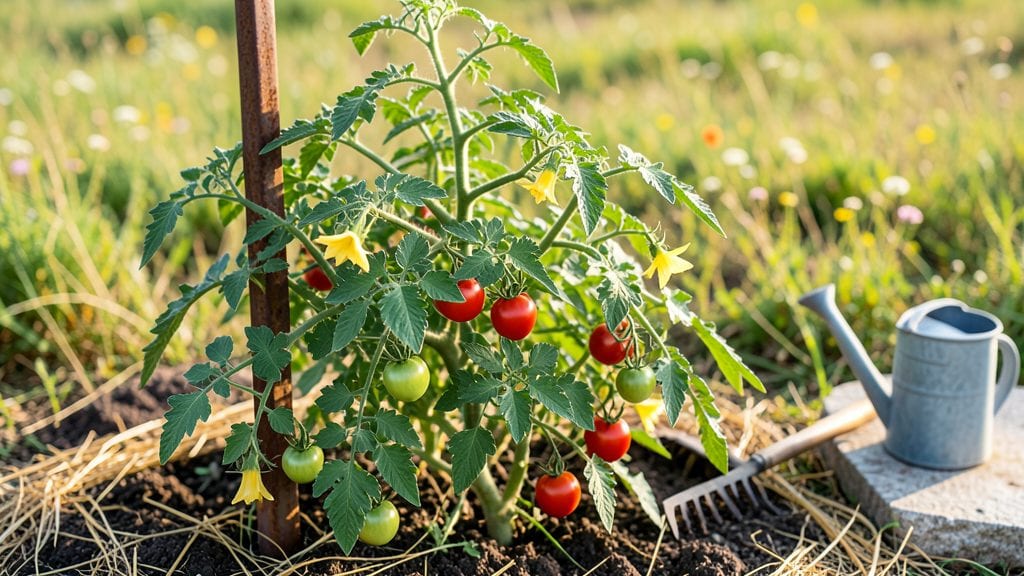
Creating a backyard tomato garden that packs a punch in small spaces changed everything for me—last summer, I grew 24 pounds of tomatoes in just 10 square feet using a vertical trellis and companion planting.
The key isn't just saving space; it's designing a layout where every plant supports its neighbor while maximizing sunlight and airflow.
Start with a raised bed or vertical trellis to make the most of vertical growth and keep plants off the ground. Pair tomatoes with basil and marigolds—they deter pests naturally while adding color and fragrance.
My favorite setup uses a 5-foot-tall obelisk for indeterminate varieties, surrounded by low-growing herbs that shade the soil and retain moisture.
By mid-July, your tomatoes will be ripening in clusters, the vines heavy with fruit, while the surrounding plants keep pests at bay. The garden becomes a living tapestry—deep green leaves, golden blossoms, and the occasional splash of purple from blooming basil.
This isn't just efficient; it's a showstopper that makes neighbors ask how you fit so much in so little room.
Works for urban backyards, small patios, or even balcony setups with the right containers. The same principles apply whether you're growing in full sun or partial shade—just adjust spacing and plant choices. Ready to transform that corner of your yard into a high-yield, high-impact tomato haven?
📚 In This Guide
- What you need
- Instructions
- Tips and common mistakes
- Wrapping up and next steps
What you need
- ● Tomato plants: 3–6 plants (depending on space; choose determinate for compact growth or indeterminate for vining varieties).
- ● Containers or raised beds: 5–10 gallon pots (1 per plant for containers) or
- ● Raised bed (minimum 12" deep, 4' x 8' for 4–6 plants).
- ● High-quality potting mix: 1–2 bags (sterile, well-draining blend with compost).
- ● Tomato cages or trellis: 1–2 cages (5–6 ft tall) or stakes + twine for indeterminate varieties.
- ● Organic fertilizer: Balanced (10-10-10) or tomato-specific (follow package rates).
- ● Mulch: Straw or shredded leaves (2–3 inches) to retain moisture.
- ● Garden trowel or small shovel (for planting).
- ● Pruning shears (to remove suckers and dead leaves).
- ● Watering can or hose with gentle nozzle (tomatoes hate soggy roots!).
- ○ Gloves (optional but handy for thorny varieties).
- ○ pH test kit (optional; aim for 6.0–6.8 soil pH).
- ● Drip irrigation system (for consistent watering).
- ● Epsom salt (1 tbsp/month for magnesium boost).
- ● Row covers (to protect from pests early in the season).
- ● Garden journal (track progress, watering, and harvest dates!).
Step-by-step instructions for designing a space-saving tomato garden
Transform even the smallest backyard into a high-yield tomato powerhouse with this efficient layout strategy.
Assess Sunlight and Soil Conditions
Tomatoes demand 6-8 hours of direct sunlight daily, so start by mapping your yard’s sun exposure. I recommend planting in the south or west-facing area where sunlight hits strongest in the afternoon. Use a garden tape measure to mark a 4-foot by 4-foot grid—this compact footprint yields 4-6 plants with proper spacing. Avoid low-lying spots where cold air settles, as tomatoes are frost-sensitive.
Test your soil’s drainage by digging a 6-inch hole, filling it with water, and timing how long it takes to drain. If water lingers beyond 2 hours, amend with 2-3 inches of compost or sand to improve aeration. Tomatoes thrive in soil with a pH between 6.0 and 6.8, so test with a soil pH kit if your garden history is unknown. I’ve found that raised beds or mounded rows prevent waterlogging and boost early-season warmth.
Plan Vertical and Companion Planting Layouts
Maximize vertical space by dedicating one corner of your 4x4 grid to cage or stake supports for indeterminate varieties like ‘Sungold’ or ‘Brandywine’. Install 5-foot-tall tomato cages or sturdy bamboo stakes at planting time to avoid disturbing roots later. For determinate varieties like ‘Roma’ or ‘Celebrity’, use 3-foot cages—these bushier types don’t need as much vertical reinforcement.
Interplant fast-growing companions like basil, lettuce, or radishes between tomato rows to utilize space efficiently. Basil deters pests like whiteflies and improves tomato flavor, while radishes mature in 30 days, giving them time to finish before tomatoes bulk up. Space companions 12-18 inches apart from tomatoes to avoid competition for nutrients. I always reserve the north side of the grid for shade-tolerant herbs, keeping tomatoes centered in full sun.
Prepare Planting Holes and Amend Soil
Dig 18-inch-deep holes for each plant, spacing them 24-36 inches apart depending on variety. For indeterminate types, go with 36 inches to allow sprawling vines; determinate varieties can sit 24 inches apart. Mix 1 cup of 10-10-10 fertilizer and 1 handful of bone meal into the bottom 6 inches of soil in each hole. This early nutrient boost encourages strong root development before vines take off.
Create a 12-inch-high mound in the center of each hole and place the transplant on top, ensuring the stem is level with the soil surface. Gently backfill with the amended soil, pressing lightly to eliminate air pockets. Water deeply until soil 6 inches down feels moist—this encourages roots to grow downward rather than circling at the surface. I always add 2 inches of mulch (straw or shredded leaves) around the base to retain moisture and suppress weeds.
Install Supports and Train Vines Early
For caged varieties, weave the main stem through the cage’s openings as it grows, securing it with soft plant ties every 12 inches. This prevents wind damage and keeps vines organized. If using stakes, tie the stem to the stake at 3 points: the base, 18 inches up, and again at 30 inches. Indeterminate tomatoes will climb 6-10 feet, so reinforce stakes with garden twine for stability—especially in windy areas.
Remove suckers (the small shoots that form in the leaf axils) when they’re 2-3 inches long to direct energy into fruit production. Suckers are the side stems between the main stem and branches, and pruning them prevents overcrowding. I pinch them off with my thumb and forefinger rather than cutting to avoid damaging the plant. This step is critical for determinate varieties, which produce fruit along the main stem and branches.
Implement Watering and Maintenance Schedule
Water deeply 2-3 times per week, aiming for 1-1.5 gallons per plant each time. Tomatoes need 1 inch of water weekly, but shallow watering encourages weak roots. Use a soaker hose or drip irrigation to deliver water at the base, avoiding wetting leaves to prevent fungal diseases like early blight. I water in the early morning to allow foliage to dry before evening, reducing humidity-related issues.
Fertilize every 3-4 weeks with a balanced liquid fertilizer (like 5-5-5) after the first flowering stage. Stop fertilizing 4-6 weeks before harvest to allow fruits to ripen fully. Prune yellow or diseased leaves immediately with sterilized pruners, and rotate plants a quarter turn weekly to ensure even sun exposure. This simple routine keeps plants healthy and productive throughout the 75-90-day growing season.
Tips & tricks for perfect backyard tomato garden layouts
Small spaces shouldn't limit your tomato harvest—these practical strategies will help you maximize every square foot while avoiding common gardening pitfalls.
Sunlight Optimization: The 6-8 hours of direct sunlight requirement is non-negotiable, but you can work with your yard's natural light patterns. If your south-facing area gets afternoon shade from trees, consider planting indeterminate varieties like 'Brandywine' that produce fruit later in the season when sunlight is less intense. I've found that positioning taller cages toward the north edge of your 4x4 grid prevents them from casting shadows over neighboring plants during critical morning sunlight hours.
Soil Preparation Pro Tip: When testing your soil's drainage in that 6-inch hole, pay close attention to how water moves through different soil layers. If the top 2 inches drain quickly but the bottom 4 inches hold water beyond 2 hours, you're dealing with a compacted subsoil layer. This is where creating a 12-inch-high mound becomes especially valuable—it allows roots to grow around rather than through these restrictive layers. I've had the most success with mounded rows in clay-heavy soils where drainage is the primary concern.
Companion Planting Strategy: The 30-day maturity window for radishes makes them perfect space-fillers, but don't overlook their role in breaking up soil compaction. As radishes grow, their fibrous roots create channels that improve drainage—especially beneficial in the bottom 6 inches of soil where you're mixing your 10-10-10 fertilizer. I always plant radishes in a checkerboard pattern between tomato plants, spacing them 12 inches apart from tomatoes and 6 inches apart from each other to maximize this soil-improving benefit.
Support System Maintenance: Those 5-foot-tall cages might seem sturdy, but they'll sag under the weight of a 6-10 foot indeterminate vine without proper reinforcement. I recommend installing your cages at a slight angle (about 5 degrees toward the south) and securing them with 3-foot wooden stakes driven into the ground at each corner. This creates a triangle of support that prevents leaning. For wind-prone areas, add a fourth stake on the north side and use garden twine to create an X pattern between the top of the cage and the ground stake.
Pro Tips for Backyard Tomato Garden
- Small spaces shouldn't limit your tomato harvest—these practical strategies will help you maximize every square foot while avoiding common gardening pitfalls.
- Sunlight Optimization: The 6-8 hours of direct sunlight requirement is non-negotiable, but you can work with your yard's natural light patterns.
- Soil Preparation Pro Tip: When testing your soil's drainage in that 6-inch hole, pay close attention to how water moves through different soil layers.
Frequently asked questions
Got questions about growing tomatoes in your backyard? You’re not alone! Here are some of the most common concerns—and their solutions—to help you crush your tomato garden like a pro.
When is the best time to plant tomatoes in my backyard garden?
In most regions, plant tomato seeds indoors 6–8 weeks before the last frost (or buy seedlings 2–3 weeks before transplanting). For direct outdoor planting, wait until soil temps hit 55–65°F—usually late spring or early summer. Check your USDA zone for precise timing!
How much space do tomatoes really need in a small backyard?
Tomatoes thrive with 18–24 inches of space between plants (or 3–4 feet for indeterminate varieties). Use vertical supports (cages, trellises) to save space—some gardeners even grow 2–3 plants per 4’x4’ square! Just prune suckers and stake them well to avoid crowding.
What are the most common tomato garden pests, and how do I stop them?
Watch for hornworms, aphids, and whiteflies. Handpick hornworms (they’re sneaky but easy to spot!), spray aphids with soapy water, and introduce ladybugs for natural pest control. Neem oil is a great organic deterrent too.
Why aren’t my tomato plants fruiting—even though they have flowers?
Lack of pollinators? Shake plants gently or use a small brush to transfer pollen. Too hot/cold? Tomatoes need 70–85°F days and 55–65°F nights to set fruit. Over-fertilizing with nitrogen can also stunt fruiting—switch to a phosphorus-heavy fertilizer instead.
Can I grow tomatoes in containers if my backyard space is limited?
Use 5-gallon pots or larger (bush varieties need less space than vining types). Ensure pots have drainage holes, fill with well-draining soil, and fertilize regularly. Determinate varieties (like ‘Patio’ or ‘Tiny Tim’) are perfect for containers.
What should I do with my tomato plants after harvest?
Don’t toss them! Prune dead leaves to prevent disease, compost healthy plants (avoid diseased ones), and save seeds from heirloom varieties. If you’re in a warm climate, some plants may keep producing—just keep them healthy!
Wrapping up and next steps
Growing a thriving backyard tomato garden in limited space isn’t just possible—it’s rewarding! With the right layout, tools, and care, you’ll enjoy a bountiful harvest of juicy, homegrown tomatoes. Whether you’re a beginner or a seasoned gardener, small spaces can yield big results when you plan smartly.
Ready to get started? Sketch your garden layout today—pick your favorite varieties, grab your tools, and watch your tomato plants flourish! 🌱🍅