
Size
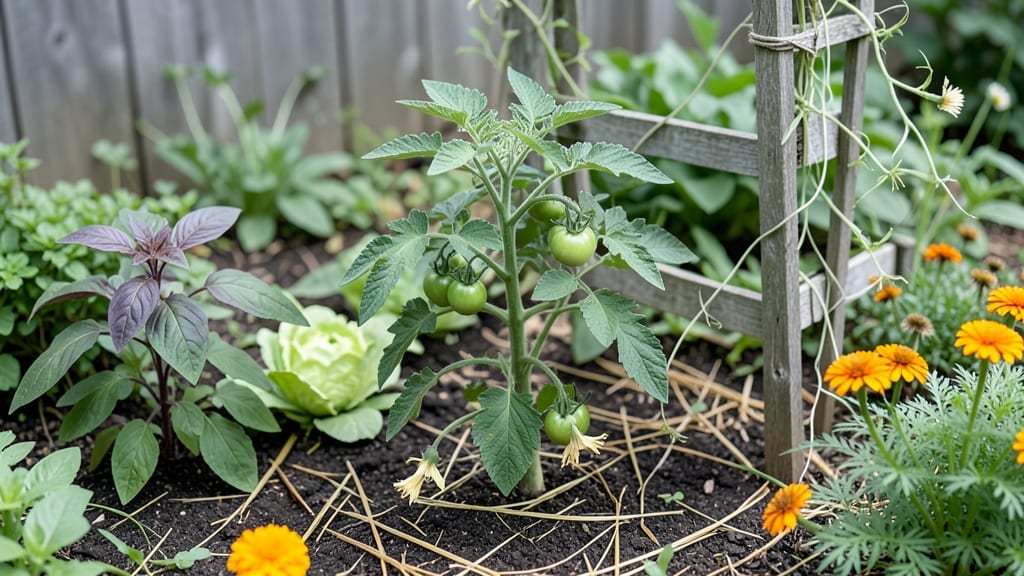
The average size of a garden you'll find in homes spans from 50 to 200 square feet for compact urban setups, 200 to 500 square feet for typical vegetable plots, and 500 to 1,500+ square feet for spacious suburban or homestead layouts, all tailored to your crop selection and available space.
The size you choose depends entirely on what you're growing and how much you want to harvest. 🌱 For example, leafy greens like lettuce or spinach can thrive in just 1 square foot, while sprawling plants like pumpkins need 100+ square feet to spread out.
Climate also plays a role—warmer regions allow for year-round planting, potentially doubling your effective growing space compared to cooler areas with shorter seasons.
If you're working with limited space, vertical gardening and companion planting can help you stretch your square footage. 🌿 Trellises for vining plants like beans or peas free up ground space, while pairing fast-maturing crops with slower ones (like radishes with carrots) maximizes every inch.
Even a 50-square-foot plot can yield surprisingly well with the right strategy!
💡 In This Article
- Factors Influencing Home Garden Size Requirements
- Space-Efficient Planting Strategies for Small Gardens
Factors influencing home garden size requirements
Plant spacing rules create the biggest variation in garden size needs. Vegetables like tomatoes or peppers require 18-24 inches of space between plants to prevent competition for nutrients and sunlight, while leafy greens like kale or Swiss chard can grow just 6-12 inches apart.
The key factor is each plant's mature size—corn stalks need 12-18 inches apart in rows 3 feet apart, while strawberries spread horizontally and need 12-18 inches between plants but only 2 feet between rows. 🌱
Growth habits dramatically impact space needs. Tall crops like sunflowers or pole beans reach 6-10 feet and need vertical support to free up ground space, while ground covers like squash or melons spread 3-5 feet in all directions.
Perennials like asparagus or rhubarb establish permanent root systems that require 18-24 inches spacing but persist for years, while annuals like radishes mature in 30 days and can be interplanted with slower growers.
Climate zones also matter—warmer regions allow year-round planting, while colder zones may limit growing seasons to 6-8 months, affecting yield potential.
Container gardening adjusts size requirements completely. A single tomato plant thrives in a 5-gallon container, while a zucchini needs 10+ gallons to prevent root binding. Dwarf varieties like 'Tiny Tim' tomatoes fit in 1-gallon pots, while standard varieties need 5+ gallons.
This flexibility lets urban gardeners grow food in 10-20 square feet of balcony space that would otherwise require 100+ square feet in-ground. 🌿
Yield goals directly influence size. A 50-square-foot garden might produce 20-30 pounds of tomatoes if planted densely with dwarf varieties, while the same space with standard plants yields 5-10 pounds.
Root vegetables like carrots need 3-4 inches spacing but produce 1-2 pounds per square foot, while leafy greens yield 5-10 pounds per square foot. Understanding these ratios helps gardeners match their harvest goals to available space.
Soil quality and sunlight exposure further refine size calculations. Rich, well-draining soil allows closer spacing because plants grow faster and healthier, while poor soil may require 20-30% more space to compensate.
Full-sun crops like peppers need 6-8 hours of direct sunlight daily, while partial-shade plants like lettuce thrive in 4-6 hours—this affects both plant health and spacing needs. For example, a 100-square-foot plot in full sun might yield twice as much as the same space in partial shade. 💫