
Vegetables
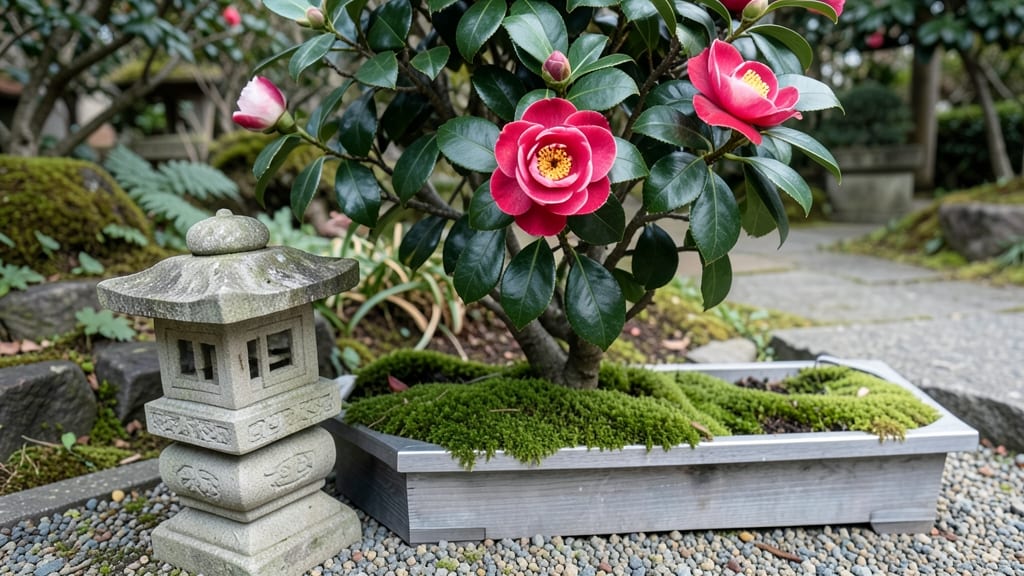
My obsession with gardens began on a whirlwind tour—around the world in 80 gardens—where a Japanese zen garden’s velvety moss and bamboo-hostas harmony first rewrote how I design my own spaces. 🌿 own space.
Now I collect plant combinations from around the world that actually work together, not just look pretty.
What makes these pairings special is how they solve real problems: drought-resistant succulents from South Africa that thrive in my dry climate, shade-loving ferns from the Pacific Northwest that brighten my dark corners, or the four-season structure of Mediterranean herbs that never quit.
Each pairing comes with the backstory—why it works where it does—and how you can adapt it to your own yard.
By the end, you'll have a toolkit of 80 plant combinations that bring color, texture, and productivity to every season. Imagine walking through your garden and recognizing the same principles that make Japanese rock gardens feel peaceful or Italian kitchen gardens overflow with basil.
The best part? These pairings work in containers, raised beds, or full yards—no matter your space.
We'll start with the easiest adaptations for your climate, then dive into the most dramatic transformations—like turning a shady spot into a lush woodland retreat or a sunny patch into a Mediterranean-style feast. Ready to travel without leaving home?
📚 In This Guide
- What you need
- Instructions
- Tips and common mistakes
- Wrapping up and next steps
What you need
- ● Gardening Gloves (2 pairs): Durable, breathable fabric (e.g., leather or synthetic blend) to protect your hands.
- ● Hand Trowel (1): Stainless steel, 6-8 inches long, for precision planting.
- ● Pruners (1): Bypass pruners with ergonomic handles for clean cuts.
- ● Watering Can (1) or Hose (1) with Adjustable Nozzle: Opt for a 1-2 gallon can or a lightweight hose for flexibility.
- ● Measuring Tape (1): 10-15 feet long for spacing and layout planning.
- ● Garden Twine (1 roll): 50-100 feet of biodegradable twine for staking.
- ● Soil pH Test Kit (1): Digital or liquid test kit to monitor soil health.
- ● Compost or Organic Fertilizer (5-10 gallons): Well-aged compost or a balanced fertilizer (e.g., 5-5-5 NPK ratio).
- ● Mulch (10-20 bags): Straw, wood chips, or shredded leaves (2-3 inches deep).
- ● Seed Starting Trays (2-4): For early sowing of delicate varieties.
- ● Grow Lights (1-2): LED lights for seedlings or winter gardening.
- ● Trellis or Cage Kit (3-5): For vining plants like cucumbers or beans.
- ● Plant Labels (50+): Waterproof tags to track your global varieties.
- ● Journal or App (1): To log growth, harvests, and notes (e.g., Gardenate or a simple notebook).
- ● Solar-Powered Sprinkler (1): For eco-friendly watering.
How to design a global-inspired garden layout
Turn your space into a world tour with these simple plant pairings that thrive together.
🌿 Step 1: Map Your Climate Zones to Global Regions
Start by grouping plants by their native climates. Mediterranean herbs like rosemary and lavender pair beautifully with California natives, while Japanese maples and hostas thrive alongside Asian-inspired bamboo. I always sketch a rough layout first—this helps visualize how tall plants (like sunflowers) can frame shorter ones (like thyme).
Use your hardiness zone as a guide. If you're in zone 7, Mediterranean plants will flourish, while zone 5 gardeners should focus on cold-hardy European or Asian varieties. Check each plant's sunlight needs—most Mediterranean plants need 6+ hours of sun, while tropical plants prefer partial shade.
🌱 Step 2: Create Themed Plant Clusters
Divide your garden into 4 distinct regions: Mediterranean, Asian, European, and North American. Each cluster should have 3-5 plants that complement each other. For example, pair olive trees with lavender and oregano (Mediterranean), while Japanese iris and ferns work well with hostas (Asian-inspired).
Stick to the 4 servings of plants you’ve chosen—this keeps maintenance manageable. I like to use mulch to define each region visually. For Mediterranean areas, use gravel; for Asian-inspired spots, try bark mulch. This not only looks intentional but also helps retain moisture where needed.
☀️ Step 3: Layer Plants by Height and Seasonal Interest
Tall plants like sunflowers or bamboo go in the back, medium-height shrubs (like boxwood) in the middle, and low-growing ground covers (like creeping thyme) in the front. This creates depth and makes your garden feel lush. I always plant for year-round interest—spring bulbs (like daffodils) pair well with summer bloomers (like coneflowers) and fall foliage (like Japanese maples).
Check each plant’s bloom time to ensure continuous color. Mediterranean plants often flower in late spring, while Asian varieties might bloom in early summer. This way, your garden never looks bare. Water deeply after planting to help roots establish—1 inch per week is a good rule of thumb.
💧 Step 4: Adjust Watering by Region
Mediterranean plants need drought-tolerant care, so water them deeply but infrequently—once a week in summer, less in winter. Asian-inspired plants, like hydrangeas, prefer consistent moisture, so mulch heavily to retain water. I use drip irrigation for Mediterranean sections to avoid overwatering.
Group plants with similar water needs together. For example, place lavender and rosemary near a drip line, while hostas and ferns get a separate watering schedule. This makes maintenance easier and prevents over- or underwatering. A simple rain gauge helps track moisture levels—aim for 1-1.5 inches per week total.
✂️ Step 5: Prune and Maintain for Year-Round Beauty
Prune Mediterranean herbs like rosemary lightly after flowering to encourage bushier growth. Asian-inspired plants, like camellias, need shaping in late winter. I always prune in the early morning when plants are hydrated—this reduces stress. Deadhead spent blooms regularly to keep your garden looking tidy and encourage more flowers.
Fertilize lightly in spring with a balanced 10-10-10 mix—too much can harm Mediterranean plants. Mulch annually to suppress weeds and retain moisture. By summer, your garden should feel like a mini world tour, with each section offering a distinct flavor of global gardening.
Tips & tricks for perfect global-inspired garden layouts
Creating a garden that feels like a world tour takes thoughtful planning—here's how to elevate your design from good to extraordinary.
Climate Zone Research: Before buying plants, check your hardiness zone and match it to their native climates. Mediterranean plants like rosemary and lavender thrive in zones 7-10, while Japanese maples prefer zones 5-8. I always cross-reference with local nursery recommendations—they know which varieties perform best in your microclimate. This prevents costly mistakes with finicky plants.
Visual Transition Tips: Use contrasting mulches to define each region—gravel for Mediterranean areas creates that signature dry look, while bark mulch enhances Asian-inspired sections. For extra drama, add edging stones between regions. This visual separation makes your world tour feel intentional rather than random. I like to sketch my design first with colored pencils to visualize the transitions.
Seasonal Layering Strategy: When planning your height layers in Step 3, think vertically beyond just height—consider seasonal interest. Plant spring bulbs like daffodils at the front, summer bloomers like coneflowers in the middle, and fall foliage like Japanese maples at the back. This creates a living calendar where each season reveals new highlights. I always make a simple chart tracking bloom times for my selected plants.
Watering System Hack: Install a rain gauge near your garden to track moisture levels accurately. Mediterranean sections need that 1 inch per week but only once a week, while Asian-inspired plants like hydrangeas prefer consistent moisture. I use drip irrigation lines with separate zones for each region—this saves time and prevents overwatering drought-tolerant plants. The key is grouping plants with similar needs together.
Pro Tips for Around The World In 80 Gardens
- Creating a garden that feels like a world tour takes thoughtful planning—here's how to elevate your design from good to extraordinary.
- Climate Zone Research: Before buying plants, check your hardiness zone and match it to their native climates.
- Visual Transition Tips: Use contrasting mulches to define each region—gravel for Mediterranean areas creates that signature dry look, while bark mulch enhances Asian-inspired sections.
Frequently asked questions
Got questions about transforming your garden into a global botanical adventure? Here are some of the most common ones—and their answers!
How do I adapt these plant pairings to my local climate?
Not all gardens are created equal! Start by checking your USDA Hardiness Zone (or equivalent in your country) and adjust plant selections accordingly. For example, Mediterranean herbs like rosemary thrive in dry climates, while tropical greens (like okra or sweet potatoes) need heat. Use local gardening guides or ask at your nearest nursery for climate-specific swaps.
Can I grow all 80 gardens in one year, or should I rotate?
While the concept is inspired by Jules Verne’s 80-day journey, your garden’s reality is different! Focus on 3–5 regions per season to avoid overwhelm. For example, plant Mediterranean herbs in spring, tropical greens in summer, and cold-hardy root veggies in fall. Rotate beds yearly to prevent soil depletion and pests.
Is this more expensive than a traditional garden?
Not necessarily! Many "around-the-world" plants are affordable staples (like beans, tomatoes, or basil). The key is seed swapping—join local gardening groups or online forums to trade seeds from different regions. Start with heirloom varieties, which are often cheaper and more adaptable than hybrids.
How do I prevent pests from ruining my global garden?
Pests don’t respect borders! Use companion planting (e.g., marigolds with tomatoes to deter nematodes) and crop rotation to confuse insects. For tropical plants, introduce beneficial insects like ladybugs. Mulch heavily in Mediterranean-style beds to retain moisture and deter weeds.
What if I don’t have a big backyard? Can I do this in containers?
Many "around-the-world" plants thrive in pots, including dwarf citrus trees (Mediterranean), bush beans (Latin America), or strawberries (North America). Use large containers (10+ gallons) for root crops like beets or carrots, and ensure they have drainage. Balconies, patios, and even windowsills can host a mini global garden!
Wrapping up and next steps
From Mediterranean herb spirals to Japanese Zen rock gardens, our global tour proves that every climate and culture has its own magic for growing lush, thriving vegetables. 🌍✨ Whether you’re a seasoned gardener or just starting, these pairings show that abundance is always within reach—you just need the right inspiration!
Ready to turn your green space into a year-round harvest? Start small: Pick one garden style that excites you, gather your tools, and plant your first pairings this weekend. The world’s best gardens began with a single seed—yours could be next!