
Pests
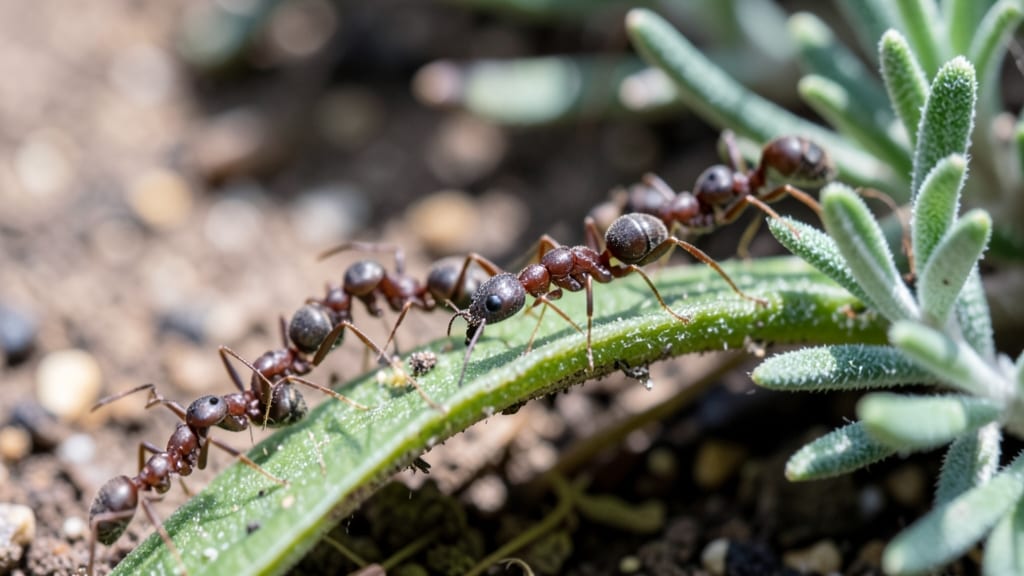
Ant infestation in gardens isn't just annoying—it can derail your entire growing season by protecting pests like aphids and damaging plant roots. I learned that the hard way when my strawberries turned to mush last summer, not from the berries themselves but from the army of sugar-loving ants farming them.
The key isn't just killing ants; it's cutting off their highways and making your garden a no-go zone.
Most people grab the spray bottle first, but that's like fighting a fire with a squirt gun. Organic barriers work better long-term: diatomaceous earth around plant bases, cinnamon sticks in soil cracks, and a simple vinegar-water spray for trails.
These methods disrupt their scent trails and break their supply chains without poisoning your soil or inviting new invaders. The best part? You can set them up in under an hour with supplies you already have.
Within days, you'll notice fewer scouts returning to your garden, and within weeks, the trails will vanish completely. Your plants will stop wilting from aphid attacks, and you'll actually get to enjoy that first harvest without tiny black invaders crawling through your salad.
The secret weapon here is consistency—ants are persistent, but so are these barriers when applied right.
Works for vegetable patches, flower beds, and even patio containers. The same principles apply whether you're dealing with pavement ants, fire ants, or the tiny black sugar ants that move in like uninvited houseguests. Let's get your garden back—and keep those six-legged freeloaders out for good.
The Hidden Triggers Behind Garden Ants
Ants may seem like tiny troublemakers, but their presence in your garden isn’t random—it’s a response to specific conditions they love. Understanding these triggers is the first step to outsmarting them. Let’s break down the science behind why your garden becomes their favorite hangout spot.
Ants are relentless foragers, and your garden is an all-you-can-eat buffet if it’s stocked with their favorite snacks. Here’s what’s luring them in:
- Sugary Secrets: Overripe fruits, honeydew from aphids, and even spilled soda or juice can attract sugar-loving ants like Lasius or Solenopsis species.
These ants farm aphids for their sticky honeydew, turning your plants into their personal fast-food joints. - Protein Power: Decaying organic matter (think fallen leaves, compost piles, or dead insects) provides the protein they crave.
Carpenter ants (Camponotus spp.), for example, are drawn to moist, rotting wood, which they chew to feed their larvae. - Human Handouts: Pet food left outdoors, crumbs from picnics, or even grease traps in grills can create a smorgasbord.
Ants leave scent trails to these easy meals, recruiting thousands of workers in minutes.
Pro Tip: 💡 If you spot ants marching in a straight line, follow their path—it’s their highway to a food source. Blocking access here is your best defense.
Ants need two things to thrive: water and safe hiding spots. Your garden might be offering both without you realizing it.
- Water Logged Zones: Ants need moisture to survive, especially species like fire ants (Solenopsis invicta) or pavement ants (Tetramorium caespitum).
Leaky hoses, poorly drained soil, or even dew-collecting mulch can create the perfect damp environment for their nests. - Cozy Nooks: Ants love: - Woodpiles or stumps (carpenter ants nest here). - Cracks in pavement or sidewalks (pavement ants thrive in these microclimates). - Thick mulch or leaf litter (harvester ants dig tunnels here). - Undisturbed soil near plants (many species nest underground but surface to raid above).
Pro Tip: 🌡️ Ants are temperature-sensitive. They avoid extreme heat or cold, so they nest in shaded, humid spots—like under rocks or dense mulch. Inspect these areas first!
Not all plants are equal when it comes to ant attraction. Some emit scents or provide shelter that ants adore:
- Aphid-Friendly Plants: Ants protect aphids because they feed on their honeydew.
Plants like roses, hibiscus, or fruit trees are prime targets. - Sweet-Scented Flowers: Lavender, jasmine, and citrus trees can attract ants with their nectar or fallen petals. - Weedy Areas: Dandelions, clover, and other "weeds" often harbor aphids or provide easy access to moisture.
Pro Tip: ✨ Plant ant-repelling herbs like mint, basil, or tansy near high-risk areas. Their strong scents mask the smells that attract ants.
Sometimes, the problem isn’t the garden itself—it’s how we treat it. Common mistakes that turn gardens into ant paradises:
- Overwatering: Soggy soil is an open invitation for moisture-loving ants to set up shop.
- Ignoring Pests: Leaving aphids, mealybugs, or other sap-sucking insects unchecked turns your plants into ant farms.
- Poor Sanitation: Leaving pet food, fallen fruit, or even empty soda cans in the yard creates a 24/7 buffet.
- Using Chemical Fertilizers: These can disrupt natural ecosystems, making plants more vulnerable to aphids—and thus, ants.
Pro Tip: 🔥 Conduct a "snack audit" of your garden. Remove all potential food sources, and you’ll see ant activity drop within days.
Ants are opportunistic, and seasonal changes can trigger their moves:
- Spring & Summer: Warmth and rain boost ant activity.
Colonies expand, and workers scavenge for food and water. - Fall: Ants prepare for winter by stockpiling food, leading to increased foraging. - Drought Conditions: Some ants (like harvester ants) become more aggressive when water is scarce, raiding gardens for moisture.
Pro Tip: ⏰ Monitor ant activity during these peak times. Early intervention is key to preventing full-blown infestations.
Stopping Ants at the Source
Ants may be tiny, but their trails can feel like an army takeover—especially in your garden. The good news? Most infestations stem from a few common causes, and each has a targeted, organic solution.
Below, we break down the why behind ant activity and the how to fix it—without harsh chemicals.
Ants are drawn to two main things: sweet treats (like fruit, nectar, or spilled soda) and protein (such as aphids, slugs, or decaying matter). If your garden is a buffet, they’ll keep coming back.
✅ How to Fix It:
- Remove food sources 🍓🍯:
- Pick up overripe fruit, fallen petals, or sticky syrup from plants.
- Store compost bins far from garden edges (ants love them).
- Clean up spilled drinks or pet food immediately.
- Disrupt their menu 🍳:
- Borax-free bait stations: Mix powdered sugar + peanut butter in a shallow dish. Ants carry it back to the colony, slowing them down (use sparingly outdoors).
- Diatomaceous earth (DE): Sprinkle food-grade DE near trails—it dehydrates ants naturally. Reapply after rain.
💡 Pro Tip: Ants farm aphids for honeydew. Spray aphids off plants with soapy water to cut off their snack supply!
Ants seek out damp soil, mulch piles, or cracks in foundations—especially if your garden has poor drainage or wood debris.
✅ How to Fix It:
- Dry out their hideouts 💦:
- Improve drainage with gravel or sand under mulch.
- Fix leaky hoses or irrigation systems (ants love standing water).
- Block entry points 🚪:
- Seal cracks in patio stones, woodpiles, or garden beds with caulk.
- Use copper tape around pots—ants dislike the metal’s vibrations.
- Crushed eggshells or cinnamon around plant bases act as natural repellents.
🔥 Hot Fix: Place a shallow tray of vinegar near entry points. The smell confuses their scent trails.
Some ants (like fire ants or carpenter ants) build nests underground or in rotting wood, making them harder to spot.
✅ How to Fix It:
- Locate & relocate 🕵️♂️:
- Look for small mounds (fire ants) or sawdust-like frass (carpenter ants).
- Vinegar soak: Pour equal parts vinegar + water into the mound—it dissolves trails and weakens colonies.
- Natural nest disruptors 🔨:
- Boiling water: Carefully pour it into the mound entrance (works for surface nests).
- Essential oil spray: Mix peppermint or tea tree oil with water in a spray bottle. Target nests directly (ants hate the scent!).
⚠️ Warning: Avoid insecticide sprays—they can harm plants and kill beneficial insects like bees.
Once you’ve kicked them out, lock them out with these long-term barriers:
| Barrier | How to Use | Why It Works |
|---|---|---|
| Coffee grounds | Sprinkle around garden edges | Ants avoid the strong smell |
| Chalk line | Draw a line between garden & house | Ants won’t cross it |
| Cayenne pepper | Mix with water, spray on trails | Capsaicin repels them |
| Plant barriers | Mint, lavender, or lemongrass borders | Essential oils deter ants naturally |
🎯 Final Tip: Mow high (3–4 inches) to expose ant trails to sunlight—they dry out faster!
By tackling the root cause (food, water, or shelter) and reinforcing organic barriers, you’ll send ants packing—without the chemical warfare. 🚫🐜 Your garden will stay lush, and your peace of mind will too!
Frequently asked questions
Why do ants suddenly appear in my garden after it rained?
Rain triggers ant activity by making food sources more accessible and providing moisture they need. Damp soil and exposed aphid honeydew become irresistible buffets. The sudden downpour also washes away their scent trails, forcing them to reconnect with new paths—often through your garden.
Will diatomaceous earth harm my plants or beneficial insects?
Food-grade diatomaceous earth (DE) is safe for plants when used correctly, but it can harm bees and other beneficial insects if spread too broadly. Apply only on ant trails and around plant bases—not on leaves or flowers. Always use the food-grade version, and reapply after rain.
How long does it take for natural repellents like vinegar or cinnamon to work?
Most natural repellents show results within 24-48 hours, but full effectiveness takes 3-7 days as scent trails dissipate and colonies weaken. For vinegar, reapply every few days during active ant seasons. Cinnamon and coffee grounds may take slightly longer (up to 1 week) but provide longer-lasting protection.
Are fire ants different from regular garden ants? How should I treat them?
Fire ants are more aggressive and build distinctive volcano-shaped mounds (vs. regular ants that nest underground or in wood). For fire ants, avoid pouring boiling water directly on mounds (it can spread colonies). Instead, use a vinegar-soak method or commercial fire ant baits designed for outdoor use, following label instructions carefully.
Can I use the same ant barriers for containers and raised beds?
Yes, but adjust the approach! For containers, wrap copper tape around the base or place crushed eggshells in the soil. In raised beds, create a 2-inch barrier of sand or gravel at the edges before adding soil—this prevents underground nesting. Both methods work equally well for cutting off ant access.