
Flowers
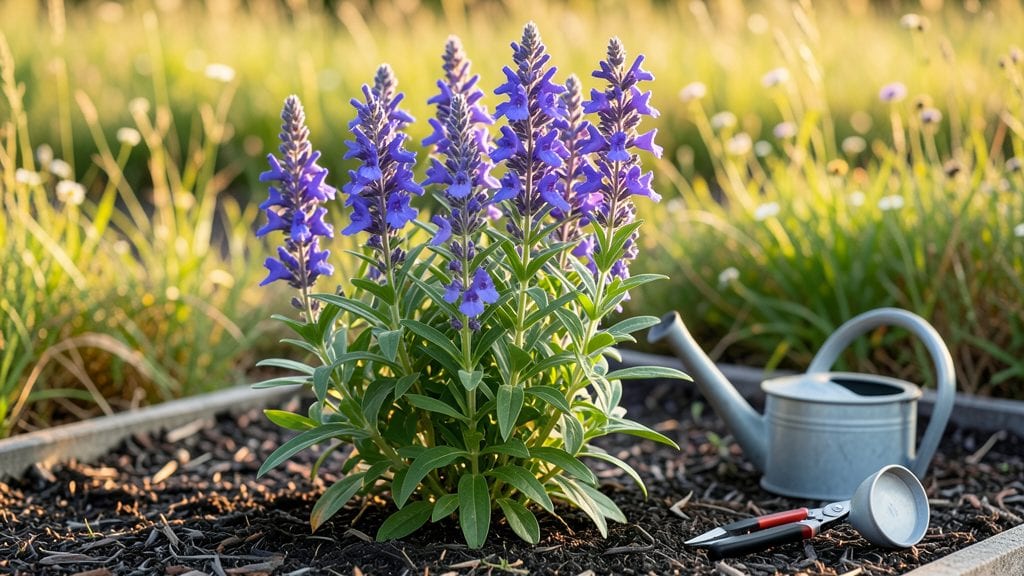
Angelonia thrives in sun-drenched gardens with its velvety spikes of purple-blue blooms that last all summer. 🌿 I fell for this plant after seeing how it held up through a 100-degree heatwave while my other annuals wilted—it’s the kind of tough, beautiful plant that makes gardening feel effortless.
The secret lies in its drought tolerance and full-sun love, but it’s also surprisingly adaptable to different garden styles.
This plant plays well with others, making it perfect for sunny borders, cottage gardens, or mixed containers. Pair it with salvia for a purple-dominant theme or mix in silver foliage plants like dusty miller for contrast.
In containers, angelonia’s upright habit lets it shine as a focal point, while in beds, it creates neat, structured drifts that echo the look of wildflowers without the fuss.
What you’ll love most is how angelonia keeps blooming from early summer until frost, even in dry spells. The flowers attract butterflies and hummingbirds, turning your garden into a lively little ecosystem.
With the right placement—6 hours of direct sun daily—it’s a low-maintenance star that outshines many fussy annuals.
Whether you’re designing a pollinator-friendly border, a drought-tolerant landscape, or a container garden, angelonia fits right in. Let’s explore how to make it the centerpiece of your sunniest spots!
Common Culprits Behind Angelonia Struggles
Angelonia, with its vibrant blooms and drought-tolerant charm, is a favorite among gardeners—but even the hardiest plants can falter when conditions aren’t just right. Understanding the science behind why your angelonia might be underperforming is the first step to reviving it.
Let’s break down the key reasons, from environmental stressors to care mistakes, and how to fix them.
Angelonia loves sun, but intense, unrelenting heat—especially in dry climates—can scorch leaves and stunt growth. Here’s why:
- Leaf Transpiration Overload: When temperatures soar above 90°F (32°C), angelonia’s leaves lose moisture faster than roots can absorb water, leading to wilting, crispy edges, or bleached patches. This is called heat stress, and it’s worse in low-humidity areas.
- UV Damage: Direct midday sun (11 AM–3 PM) can cause sunburn, turning leaves yellow or white. Angelonia’s natural sunscreen (waxes and pigments) only goes so far.
- Root Zone Stress: If the soil surface dries out too quickly, roots can’t draw up enough water, triggering hydraulic failure—a shutdown of the plant’s water transport system.
Actionable Fix:
- 🌿 Provide afternoon shade in extreme heat (use shade cloth or plant near taller perennials).
- 💧 Mulch heavily (2–3 inches of straw or wood chips) to insulate roots and retain moisture.
- 🌱 Avoid overhead watering—use drip irrigation or soaker hoses to keep foliage dry and cool.
Angelonia’s drought tolerance is legendary, but watering extremes—both drought and soggy soil—can cripple it. Here’s the science:
| Problem | Why It Happens | Signs to Watch For |
|---|---|---|
| Underwatering | Roots dry out, triggering abscisic acid (a stress hormone) that causes stomata (leaf pores) to close. Without water, photosynthesis grinds to a halt. | Drooping leaves, dry soil 2+ inches deep, crispy edges, no new growth. |
| Overwatering | Poor drainage leads to root asphyxiation—roots suffocate when oxygen is replaced by water. Fungal diseases like Phytophthora thrive in waterlogged soil. | Yellowing leaves (starting at base), mushy stems, foul-smelling soil, wilting despite wet soil. |
| Inconsistent Watering | Fluctuating moisture stresses roots, causing osmotic shock—cells struggle to maintain balance, leading to leaf drop. | Uneven wilting, leaf scorch, stunted blooms. |
Actionable Fix:
- 🌱 Check soil moisture—stick your finger 2 inches deep. Water only when dry (aim for 1–1.5 inches per week, including rain).
- 🚰 Improve drainage—amend clay soil with perlite or sand (20% mix). Use raised beds if your garden holds water.
- ⏰ Water deeply but infrequently—soak the root zone (6–12 inches down) every 5–7 days in dry spells.
Angelonia thrives in well-draining, moderately fertile soil, but poor conditions can starve it—or drown it. Here’s what’s likely going wrong:
- Compacted or Heavy Soil: Clay or poorly amended soil restricts root growth and traps excess moisture. Roots suffocate, leading to chlorosis (yellow leaves) and stunted plants.
- Nutrient Deficiencies:
- Nitrogen (N) Deficiency: Pale green leaves, slow growth. Why? Nitrogen fuels leaf production; without it, angelonia prioritizes survival over blooms.
- Phosphorus (P) Deficiency: Dark green leaves with purple stems. Phosphorus is crucial for energy transfer—without it, flowers fail to develop.
- Potassium (K) Deficiency: Weak stems, yellowing leaf edges. Potassium regulates water and disease resistance.
- pH Problems: Angelonia prefers 6.0–7.0 pH. Soil too acidic (<5.0) or alkaline (>7.5) locks out essential nutrients like iron, manganese, and calcium, causing yellowing between veins.
Actionable Fix:
- 🔬 Test your soil (use a DIY kit or send a sample to a local Extension office).
- 🌿 Amend as needed:
- For clay soil: Mix in compost + perlite (50/50).
- For sandy soil: Add peat moss or aged manure to retain moisture.
- For low pH: Sprinkle lime (follow package rates).
- For high pH: Work in sulfur or pine fines.
- 💡 Fertilize lightly—use a balanced 10-10-10 or bloom booster (5-10-10) once every 4–6 weeks during growing season.
Angelonia’s tough exterior can’t protect it from hidden invaders. Here’s what’s likely attacking it—and how to spot the damage:
| Pest/Disease | How It Attacks | Tell-Tale Signs |
|---|---|---|
| Aphids | Pierce leaves/stems to suck sap, spreading viruses and secreting honeydew (a sticky residue that fosters sooty mold). | Curled leaves, sticky residue, black mold on foliage, stunted growth. |
| Spider Mites | Tiny
Quick fixes for angelonia strugglesRevitalizing your angelonia (or summer snapdragon) doesn’t have to be a guessing game. Whether your plants are wilting, struggling to bloom, or looking lackluster, these targeted solutions will get them back on track—fast. Below, we’ve mapped common issues to practical fixes, plus prevention tips to keep your garden thriving long-term. Fix:
Prevention Tips: ✔ Amend heavy clay soil with perlite or sand to improve drainage. ✔ Mulch around plants (2–3 inches of organic mulch) to retain moisture without suffocating roots. ✔ Water at the base (not overhead) to prevent fungal issues and leaf burn. Fix:
Prevention Tips: ✔ Plant in late spring (after the last frost) for a longer bloom cycle. ✔ Avoid cold drafts—angelonia bolts (goes to seed) if stressed by chilly nights. ✔ Prune lightly in early summer to shape plants and stimulate side shoots (which = more blooms!). Fix:
Prevention Tips: ✔ Inspect new plants before adding them to your garden. ✔ Encourage airflow by spacing plants 12–18 inches apart (pests thrive in crowded, humid conditions). ✔ Use reflective mulch (like silver plastic) to deter whiteflies. Fix:
Prevention Tips: ✔ Choose compact varieties (like ‘Angels’ series) for better stability. ✔ Avoid afternoon watering—it can scorch leaves in intense sun. ✔ Rotate pots occasionally so all sides get even light. Fix:
New shoots will emerge quickly! 3. Move potted plants indoors 🏠 – If possible, bring containers inside near a sunny window until temperatures stabilize. Prevention Tips: ✔ Plant in late spring (after all frost risk has passed). ✔ Choose cold-hardy varieties like Angelonia angustifolia (some tolerate 25°F/-4°C). ✔ Mulch heavily before winter to protect roots. Test your soil 📊 – A simple pH test kit ($10) reveals if your soil is too acidic (pH <6.0) or alkaline (pH >7.5). Angelonia thrives in slightly acidic to neutral soil (6.0–7.0). Amend with lime (to raise pH) or sulfur (to lower pH) as needed. Remember: Angelonia is a low-maintenance superstar—once you address the root cause (literally!), it’ll bounce back with vibrant blooms in no time. 🌸 Try one fix at a time, and don’t forget to celebrate small wins like fresh buds or perky leaves! Frequently asked questions about growing angelonia
1
What’s the best way to use angelonia in container gardens?Angelonia thrives in containers with its upright growth habit, making it perfect for window boxes, hanging baskets, or patio pots. Pair it with trailing plants like petunias or lobelia for a cascading effect, or mix with salvia or verbena for a bold purple-blue theme. Use a well-draining potting mix and ensure containers have drainage holes to prevent root rot.
2
Can angelonia grow in partial shade?While angelonia prefers full sun (6+ hours daily), it can tolerate morning sun with afternoon shade in hot climates. In partial shade, expect fewer blooms and leggy growth. If your garden has limited sun, choose a north-facing spot or supplement with a grow light for 4–6 hours daily to keep it thriving.
3
How do I keep angelonia blooming all season?Deadheading spent blooms every 5–7 days encourages continuous flowering. Use clean pruners to snip just above a set of leaves. Also, fertilize lightly with a low-nitrogen, high-phosphorus formula (like 5-10-5) every 4 weeks during the growing season. Avoid over-fertilizing—too much nitrogen promotes foliage over flowers.
4
What plants pair well with angelonia in garden beds?Angelonia’s velvety purple-blue blooms complement silver foliage plants like dusty miller or lamb’s ear, creating striking contrast. For a cottage garden look, pair it with lavender, catmint, or coreopsis. In pollinator gardens, combine it with bee balm or coneflowers to attract butterflies and hummingbirds all summer long.
5
Is angelonia deer-resistant?Angelonia is moderately deer-resistant due to its slightly bitter foliage, but hungry deer may still nibble if other food sources are scarce. To deter them, plant angelonia near deer-repellent herbs like rosemary or thyme, or use physical barriers like tall fencing. Deer are less likely to target it if surrounded by more palatable plants like hostas or daylilies. |