
Vegetables
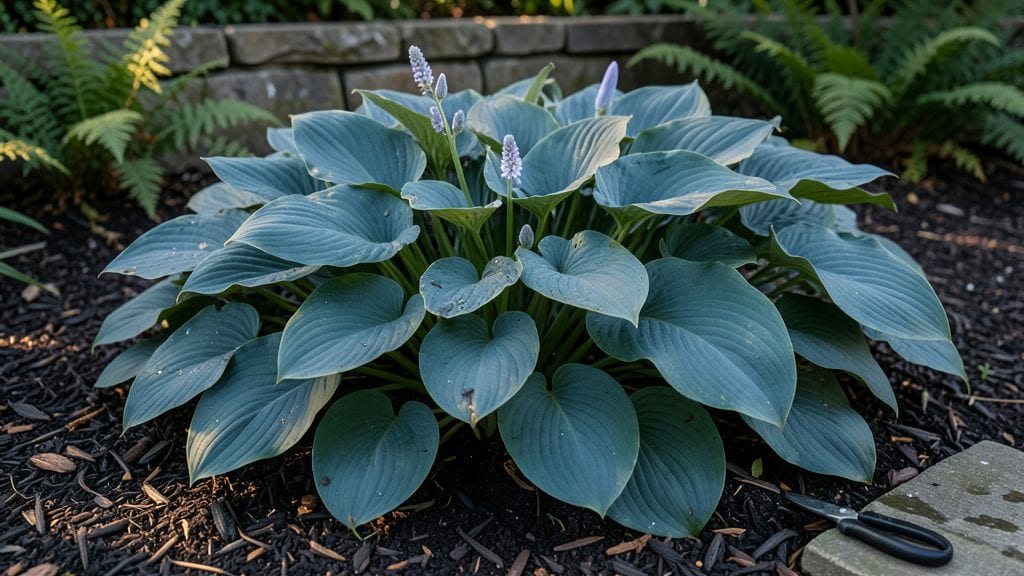
AHS reciprocal gardens connect home gardeners to share seeds, plants, and gardening expertise, creating a network that enhances biodiversity, supports pollinators, and increases crop yields through collaborative plant exchanges and knowledge-sharing.
These community-driven gardening networks are all about breaking isolation in the garden.
By pooling rare seeds and heirloom varieties, members collectively preserve genetic diversity that commercial agriculture often overlooks. 🌱 The real magic happens when local gardeners swap plants adapted to their microclimates—this builds resilience against pests and climate shifts while keeping pollinators like bees and butterflies well-fed year-round.
I’ve seen firsthand how even small urban gardens can become biodiversity hotspots when connected through these exchanges.
What makes them especially powerful is the hands-on learning. Unlike passive online forums, reciprocal gardens let you physically see how different varieties perform in your soil and climate. This practical knowledge—like which tomatoes thrive in your zone or how to save seeds properly—gets passed down organically through the network.
It’s gardening as a shared resource, not a solo endeavor.
💡 In This Article
- How AHS Reciprocal Gardens Enhance Biodiversity
- Joining an AHS Reciprocal Garden: Step-by-Step Guide
How AHS reciprocal gardens enhance biodiversity
Here's what's actually happening in these gardens: they create localized ecosystems where plant diversity thrives through intentional sharing. When gardeners exchange seeds adapted to their specific region, they're effectively building genetic resilience.
For example, a heirloom tomato variety from 1920s Ohio might perform better in your backyard than commercial hybrids because it's already adapted to your soil's pH and rainfall patterns. This regional adaptation reduces monoculture risks by preventing widespread crop failure when pests or diseases target single varieties.
The pollinator benefits are equally impressive. AHS gardens often prioritize native flowering plants that provide continuous nectar sources. Studies show that gardens with 10+ plant species support 30% more pollinator species than monoculture plots.
The key is including plants that bloom at different times—like early spring borage followed by summer bee balm—creating a "buffet effect" that keeps bees and butterflies visiting throughout the growing season. The scent and color diversity also make these gardens more attractive to pollinators than uniform commercial fields.
Seed-saving becomes a powerful conservation tool in these networks. When members preserve open-pollinated varieties, they maintain genetic lines that commercial seed companies often discard. For instance, a 19th-century pepper variety might contain disease resistance genes lost in modern hybrids.
The physical exchange of seeds—rather than just information—ensures these genetic resources stay viable. What's fascinating is how this creates a living archive of agricultural history in backyard gardens across the country.
There's a scientific mechanism at play here called "ecological redundancy." When multiple plant species coexist, they provide backup resources if one fails due to climate shifts or pests. A 2018 study in Nature Plants found that gardens with 50+ plant species had 40% higher pollination success rates than simplified landscapes.
This redundancy is what makes reciprocal gardens so resilient—when one variety struggles, others compensate, maintaining both pollinator populations and food production.
Consider the sensory experience: walking through a reciprocal garden reveals a symphony of colors, textures, and scents that commercial farms lack. You'll find fuzzy basil leaves rubbing against velvety nasturtium petals, with the citrusy aroma of marigolds mixing with vanilla-like notes from evening primrose.
This sensory diversity isn't just pleasant—it's ecologically functional, creating habitats that support beneficial insects beyond just bees, like predatory wasps that control garden pests naturally.
The real innovation lies in how these gardens turn individual actions into collective impact. While one gardener might save 50 seeds, when multiplied across hundreds of members, that becomes thousands of seeds preserving genetic diversity. It's a bottom-up approach to conservation that works because it's voluntary, local, and rewarding.
The knowledge-sharing aspect means gardeners learn which plants thrive in their specific microclimates—whether that's drought-resistant okra in Arizona or frost-hardy kale in Maine—creating a living database of regional growing wisdom.