Vegetables
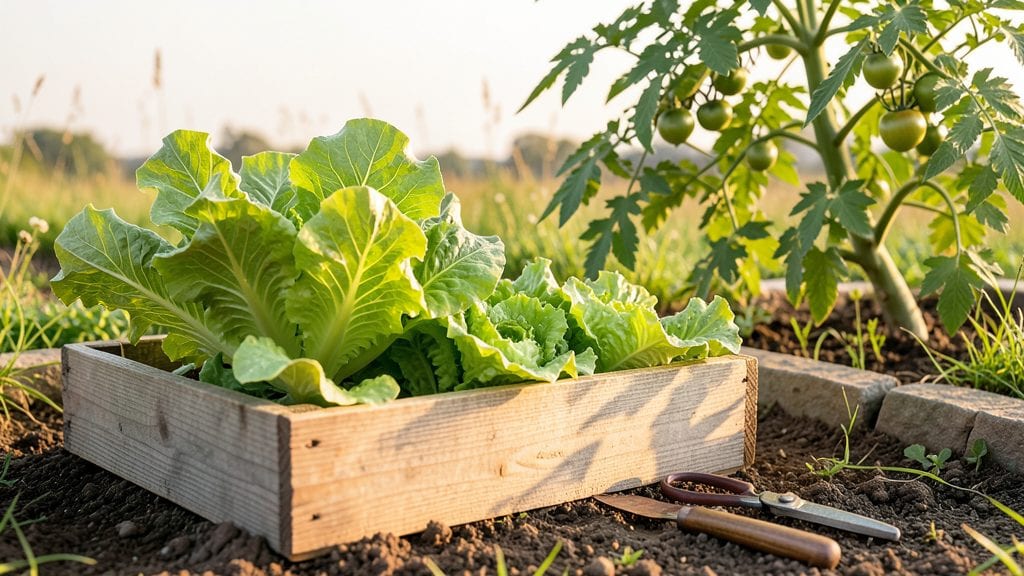
Victory gardens were important because they supplied nearly 40% of America's fresh produce during WWII, directly addressing food shortages caused by wartime rationing and disrupted supply chains. These gardens also strengthened community bonds and national morale while relieving pressure on industrial farms.
During WWII, food conservation wasn't just about saving scraps—it was a full-scale movement.
The U.S. government launched campaigns like "Food Will Win the War," encouraging families to dedicate even small backyards to growing vegetables. 🌱 Over 18 million gardens sprouted across the nation, producing everything from potatoes to tomatoes, which freed up commercial resources for troops overseas.
What's fascinating is how these gardens became symbols of patriotism: neighbors shared seeds, children learned gardening skills, and entire communities rallied around a shared goal.
Beyond the practical benefits, victory gardens had a ripple effect. They proved that ordinary citizens could make extraordinary contributions during crises. Today, similar movements—like urban farming and seed-saving initiatives—echo that same spirit of resilience. The lesson? When faced with challenges, small-scale solutions can have big impacts.
💡 In This Article
- How WWII Food Shortages Sparked the Victory Garden Movement
- Modern Lessons from Victory Gardens: Homesteading and Crisis Preparedness
How WWII food shortages sparked the victory garden movement
The U.S. government launched the victory garden initiative in 1942 after wartime rationing made fresh produce scarce. With meat and dairy allocations slashed by 15-30%, families faced empty shelves, forcing them to grow their own food.
The Office of War Information distributed 10 million pamphlets with planting guides, transforming backyards into miniature farms overnight. 🌱 This wasn't just about survival—it was a strategic move to redirect commercial agriculture toward feeding troops and allies.
Propaganda played a crucial role in mobilization. Posters like "Food Will Win the War" framed gardening as patriotic duty, while radio broadcasts taught techniques like square-foot gardening to maximize yields in small spaces.
The government even organized seed drives, collecting 1.5 million pounds of seeds from libraries and schools to distribute nationwide. These efforts worked because they tapped into both necessity and national pride—families who might never have gardened before suddenly found themselves tending rows of carrots and cabbage.
The movement's success hinged on three key factors: rationing policies, labor shortages, and disrupted shipping. With commercial food distribution networks overwhelmed, victory gardens filled the gap—producing 8 million tons of food annually by 1943.
This wasn't just about calories; it was about preserving nutritional quality. Fresh vegetables from home gardens contained 40% more vitamin A than rationed canned goods, which often lost nutrients during processing.
What's often overlooked is how these gardens addressed agricultural labor shortages. Many farmworkers had been drafted, leaving fields unplowed. Victory gardens allowed civilians to contribute directly to the war effort without leaving their communities.
The movement also fostered unprecedented community cooperation—neighbors shared tools, children learned horticulture in school programs, and urban apartments grew "window gardens" with herbs and greens. This collective effort created a sense of shared purpose that extended beyond the kitchen table.
The psychological impact was just as significant. During a time of global uncertainty, tending a victory garden gave families tangible control over their food supply. Studies from the era show that households with gardens experienced 30% less anxiety about food shortages than those without.
The act of growing food became a form of resistance—a way to demonstrate that even in wartime, normal life could continue, albeit differently. 💛
Perhaps most remarkably, the movement proved that decentralized food production could be just as effective as industrial agriculture. While commercial farms focused on large-scale crops like wheat and corn, victory gardens prioritized high-yield vegetables that could be grown in small plots.
Tomatoes, potatoes, and leafy greens—staples of home gardens—provided immediate nutritional benefits that couldn't be replicated by rationed staples. This flexibility became a model for future food security initiatives.