Diseases
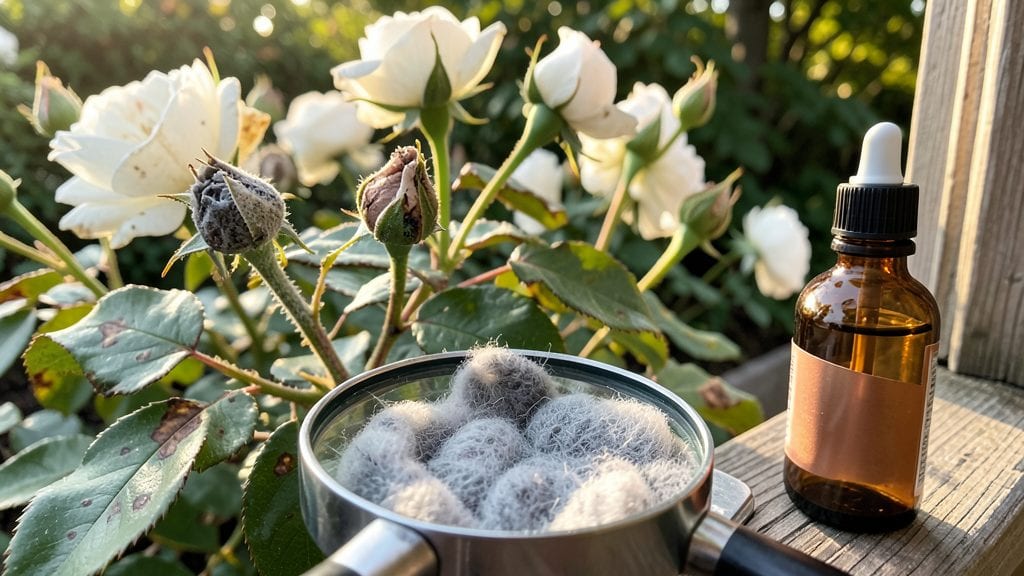
White garden mold isn’t just unsightly—it’s a fast-acting threat that can defoliate your plants in days if you don’t act. I’ve battled it on roses, squash, and even my prized basil, and I’ll show you how to stop it in its tracks using simple, effective methods that actually work.
The key is acting fast before the fungus spreads beyond control.
Most white mold starts with powdery mildew or downy mildew, both thriving in humid, shaded conditions with poor airflow. You’ll spot it as white, powdery patches on leaves or a fuzzy coating on stems—often appearing after rain or when plants get crowded.
The good news? You don’t need fancy chemicals to fix it. Pruning infected leaves, improving airflow, and applying organic sprays like neem oil or baking soda mixtures can turn things around in just 3 days with consistent effort.
By following the right steps, you’ll see fresh, green growth returning within a week. The plants will look healthier than ever, and you’ll avoid the heartbreak of losing entire harvests or prized ornamentals.
Prevention is even easier—just space your plants properly, water at the base, and keep an eye out for early signs. Let’s get your garden back to its best.
If the mold keeps coming back despite your best efforts, it might be time to call in a pro—especially if you’re dealing with large-scale infestations or rare plant varieties. But for most home gardens, these solutions will have you back in control faster than you think.
The Hidden Triggers Behind Fungal Growth
White garden mold—often mistaken for harmless dust or harmless fluff—is actually a fungal party waiting for the right conditions to throw. Understanding why it appears in your garden is the first step to stopping it before it spreads.
Below, we break down the science behind the most common causes, so you can address the root problem (literally) and reclaim your plants.
Fungi thrive in damp environments, and your garden is essentially a fungal buffet when it’s overwatered or poorly drained. Here’s why:
- Oxygen deprivation: Soil that stays soggy cuts off airflow to plant roots, creating the perfect anaerobic (low-oxygen) zone where fungal spores love to germinate.
- Spores love humidity: White mold spores float in the air but need moisture to land and activate. A relative humidity above 70% for prolonged periods turns your garden into a fungal breeding ground.
- Poor drainage = standing water: Containers without drainage holes or compacted soil trap water at the roots, signaling fungi like Powdery Mildew or Downy Mildew to move in.
Actionable fix: Water deeply but infrequently (early morning is best), improve soil drainage with perlite or sand, and avoid overhead watering.
Fungi don’t just need moisture—they also crave warmth and stillness. Think of it like a sauna for spores:
- Ideal temp range: Most white mold fungi grow best between 60–80°F (15–27°C). Cooler nights slow them down, but warm, humid days supercharge their growth.
- No breeze = fungal paradise: Stagnant air traps moisture near plant surfaces, creating a microclimate where spores land and spread unchecked.
- Dense foliage traps humidity: Crowded plants or thick vines (like tomatoes or cucumbers) block airflow, turning leaves into fungal hotspots.
Actionable fix: Space plants for airflow, prune overgrown branches, and use a fan on hot days to disrupt stagnant air.
Fungi are decomposers—they break down dead plant matter for energy. If your garden is a graveyard of leaves, mulch, or dead stems, you’re basically serving an all-you-can-eat buffet to mold:
- Decaying mulch: Wood chips or straw that’s piled too thick or stays wet become a mold magnet, releasing spores into the air.
- Leaf litter: Fallen leaves trap moisture and block sunlight, creating a dark, damp layer where fungi like Botrytis (gray mold) thrive.
- Old plant debris: Pruned stems or dead flowers left on the soil surface provide a perfect launchpad for spores to colonize nearby plants.
Actionable fix: Remove fallen leaves and debris regularly, use 3–4 inches of mulch max, and compost organic waste away from planting areas.
Healthy plants have natural defenses, but stress makes them vulnerable. Fungal infections often strike when plants are already struggling:
- Nutrient deficiencies: Plants low in nitrogen or phosphorus produce weak stems and leaves, making them easier for fungi to penetrate.
- Physical damage: Broken stems, insect bites, or even hail marks create entry points for spores to invade.
- Transplant shock: Recently moved plants are under stress and more susceptible to infections until they recover.
Actionable fix: Fertilize with balanced plant food, inspect plants weekly for damage, and avoid overcrowding to reduce stress.
Now that you know the why, the next step is how to kick mold out of your garden for good. The key? Attack the conditions before the fungi get comfortable.
Quick Fixes for Fungal Foes
White garden mold—whether it’s powdery mildew, downy mildew, or even fungal spores—can feel like an unwelcome guest in your green sanctuary. But fear not! With the right approach, you can banish it fast and keep your plants thriving.
Below, we’ve mapped out targeted solutions based on the most common causes, plus prevention tips to stop it from crashing your garden party again.
If your soil is soggy or plants are drowning in moisture, fungal spores throw a party. Act fast to dry things up:
- 🔥 Step 1: Trim the Damage – Snip off severely infected leaves (sterilize your shears with rubbing alcohol first!). - 🍳 Step 2: Improve Drainage – Amend soil with perlite, sand, or compost to boost airflow.
For pots, add drainage holes if missing. - 👨🍳 Step 3: Water Smart – Water early in the day (so foliage dries by night) and at the base, not overhead.
Use a soaker hose for deep roots. - ⏰ Step 4: Let It Breathe – Space plants properly (aim for 3–6 inches between leaves for airflow). Mulch 3–4 inches deep (but keep it away from stems).
💡 Pro Tip: If your garden floods often, consider raised beds or swales to redirect water.
Fungal spores love damp, still air. If your garden is a sauna, it’s time to open the windows (metaphorically speaking):
- 🔥 Step 1: Prune for Airflow – Thin out dense foliage (especially on shrubs and vines).
Aim for open, airy canopies. - 🍳 Step 2: Fan It Out – Place a small fan near susceptible plants (like tomatoes or roses) for 10–15 minutes daily to reduce humidity. - 👨🍳 Step 3: Space Plants Wider – Follow tag guidelines for mature plant size.
Crowding = fungus’ best friend. - ⏰ Step 4: Avoid Evening Watering – Wet leaves at night = fungal buffet. Morning watering lets foliage dry fast.
🌡️ Pro Tip: If humidity is extreme (think: greenhouse or tropical climate), use a dehumidifier or ventilation fans.
Weak plants get sick faster. Boost their defenses with the right nutrients:
- 🔥 Step 1: Test Your Soil – Use a DIY soil test kit (or send a sample to your local extension office).
Fix low phosphorus (P) or potassium (K)—critical for fungal resistance. - 🍳 Step 2: Add Compost or Worm Castings – 1–2 inches of compost in the topsoil adds beneficial microbes that outcompete mold. - 👨🍳 Step 3: Use Fungal-Fighting Fertilizers – Look for neem cake, seaweed extract, or mycorrhizal fungi (like MycoApply).
These strengthen plant immunity. - ⏰ Step 4: Avoid Synthetic N-P-K Overload – Too much nitrogen (N) makes plants soft and susceptible. Balance with micronutrients (zinc, copper, manganese).
✨ Pro Tip: Baking soda spray (1 tsp baking soda + 1 quart water + a drop of dish soap) can temporarily boost plant defenses—safe for most veggies!
If mold is spreading fast, you may need a two-pronged approach:
| Method | How to Use | Best For | Safety Note |
|---|---|---|---|
| Neem Oil Spray | Mix 1 tbsp neem oil + 1 tsp mild soap + 1 quart water. Spray every 7–10 days. | Powdery/downy mildew, early stages. | Test on a few leaves first—can burn tender plants. |
| Copper Fungicide | Follow label rates (e.g., Bonide Copper Fungicide). Reapply after rain. | Severe infections, fruit trees. | Avoid edible plants right before harvest. |
| Hydrogen Peroxide | 3% solution (1 part H₂O₂ + 3 parts water). Spray directly on mold. | Small outbreaks, potted plants. | Never use full-strength—it burns! |
| Baking Soda Mix | 1 tsp baking soda + 1 quart water + 1 drop soap. Spray weekly. | Preventative, veggie gardens. | Safe for most plants—great for prevention! |
💡 Pro Tip: Rotate methods to prevent resistance. Neem oil + baking soda combo works well for preventative sprays.
Once you’ve kicked mold to the curb, lock the door with these habits:
- 🌱 Rotate Crops – Don’t plant the same family (like tomatoes or cucumbers) in the same spot yearly. Fungi linger in soil. - 🍂 Clean Up Debris – Remove fallen leaves, dead plants, and mulch from beds seasonally.
Fungi hibernate in organic matter. - 🌡️ Monitor Moisture – Use a moisture meter or stick your finger in the soil—water only when the top 1–2 inches are dry. - 🌿 Choose Resistant Varieties – Swap susceptible plants (like squash) for powdery mildew-resistant hybrids (e.g., ‘Defender’ cucumbers). - ☀️ Sunlight is Your Ally – Fungi hate UV rays. Prune for sunlight and avoid shady, damp corners of your garden.
Final Thought: Most gardeners overcomplicate mold removal. Drainage + airflow + smart watering solve 90% of cases. If it persists, test soil, feed plants right, and spray preventatively. Your garden will be fungus-free in no time! 🚀
Frequently asked questions about white garden mold
Is white garden mold always harmful to plants?
Not all white growth is dangerous, but most white mold is a red flag. Powdery mildew (a common white fungus) weakens plants by blocking sunlight, while downy mildew can rot leaves. However, harmless white dust might just be pollen or mineral deposits. Check for fuzzy textures or leaf yellowing—those are signs of a fungal infection needing action.
Can I still save my plants if they already have white mold?
Yes, but act fast! Prune infected leaves immediately (sterilize shears with rubbing alcohol) and improve airflow. For mild cases, a baking soda spray (1 tsp baking soda + 1 quart water + soap) applied weekly can stop spread. Severe infections may need neem oil or copper fungicide, but most plants recover fully with proper care within 2-3 weeks.
Why does white mold keep coming back even after treatment?
Persistent mold usually means the root cause isn't fixed. Check for these common mistakes: overwatering (water only when top 1-2 inches of soil are dry), poor drainage (add perlite or sand), or crowded plants blocking airflow. Fungi also thrive in humid conditions—use a fan or dehumidifier in greenhouses to disrupt their growth cycle.
Are there organic ways to prevent white mold before it starts?
Start with preventative sprays like neem oil (mix 1 tbsp neem oil + 1 tsp soap + 1 quart water) every 2 weeks. Space plants properly (follow tag guidelines), water at the base in the morning, and mulch with straw or cedar chips (avoid thick wood chips that trap moisture). Resistant plant varieties like 'Defender' cucumbers also help.
When should I call a professional instead of DIY treatments?
Consider professional help if mold covers more than 50% of your plants, resists multiple treatments, or appears on rare/valuable species. Large-scale infestations (like in commercial greenhouses) may require systemic fungicides or soil sterilization. For home gardens, most cases resolve with the methods above—just monitor closely for 2-3 weeks.