
Watering
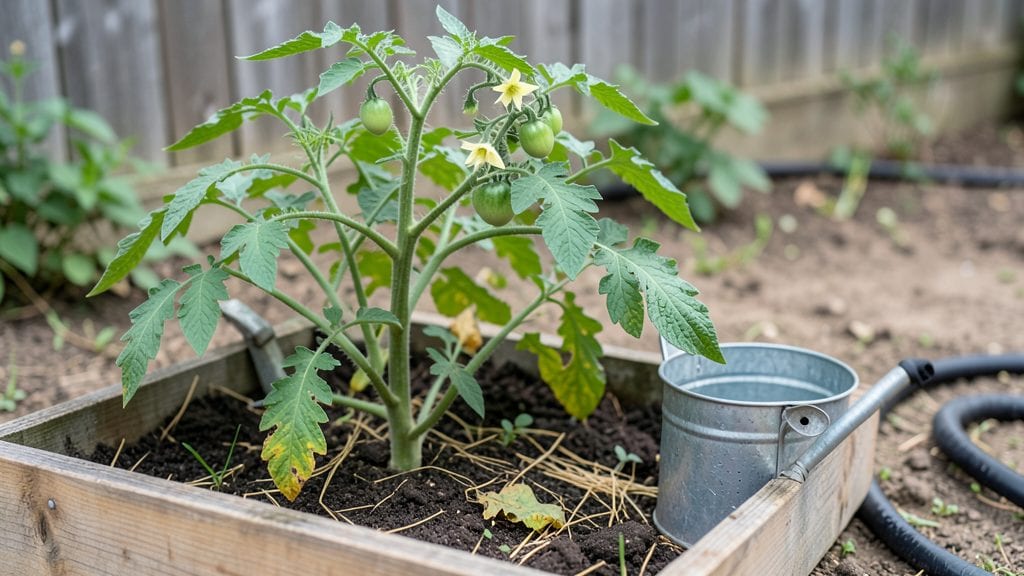
Watering your garden at night creates ideal conditions for fungal growth, attracts slugs and other pests, and prevents proper soil drying, all of which stress plants. Optimal watering occurs in the morning or late afternoon when evaporation is highest and plants can dry quickly.
Night watering turns your garden into a damp, dark breeding ground for problems. 🌙 The combination of cool evening temperatures and high humidity creates perfect conditions for fungal spores to thrive, while slugs and snails emerge from hiding to feast on weakened plants.
Even if you think you're helping by keeping roots moist overnight, the lack of sunlight means water doesn't evaporate efficiently, leaving soil saturated and roots deprived of oxygen.
This is why gardeners with thriving landscapes swear by morning watering—it gives plants a full day to absorb moisture before evening cools down.
What's interesting is how this changes with your climate. In dry regions, late afternoon watering can work because the sun has time to dry the foliage before nightfall. But in humid areas, even afternoon watering might not be enough to prevent fungal issues.
I always recommend checking your soil moisture first—stick your finger an inch deep; if it's damp, wait another day. The right timing makes all the difference between lush growth and struggling plants.
💡 In This Article
- How Night Watering Damages Plant Health
- Optimal Garden Watering Times and Techniques
How night watering damages plant health
Here's what actually happens when you water at night: fungal spores thrive in the damp, dark conditions. Plants like tomatoes and roses are especially vulnerable to powdery mildew, which appears as white, powdery patches on leaves.
This fungus spreads rapidly when leaves stay wet for more than 10-12 hours—exactly what happens during nighttime watering. The cool night temperatures slow evaporation, leaving moisture trapped on foliage and in soil where fungal spores can germinate and infect plants.
The science behind this involves plant respiration rates. At night, plants respire (release CO₂) but don't photosynthesize (absorb CO₂) because there's no sunlight. This means they're already in a metabolic state where they're not actively growing.
When you add water, you're essentially creating a stagnant environment where harmful microbes can multiply. Root rot becomes a serious risk because saturated soil cuts off oxygen to roots, causing them to suffocate. 🌱 This is particularly dangerous for container plants where drainage is limited.
Pests like slugs and snails also take advantage of nighttime watering. These creatures are nocturnal and are drawn to moist conditions. A single slug can consume 50 square inches of leaf surface overnight, leaving behind telltale slime trails.
The soft, tender new growth that emerges after watering becomes their favorite snack. Even beneficial insects like ladybugs avoid damp environments, reducing natural pest control in your garden.
Humidity plays a critical role too. Nighttime often brings higher relative humidity levels, especially in summer when warm air cools and condenses. When you add water to this equation, you're creating an almost tropical environment for fungal growth.
For example, Botrytis blight (gray mold) thrives in these conditions and can destroy entire crops if left unchecked. The key factor is how quickly water evaporates—during the day, sunlight provides the energy needed for rapid evaporation, but at night, this process slows dramatically.
What most people don't realize is how this affects plant physiology long-term. Chronic overwatering at night leads to weakened cell walls, making plants more susceptible to disease. The roots become waterlogged and can't absorb nutrients efficiently, leading to nutrient deficiencies that show up as yellowing leaves or stunted growth.
This is why professional gardeners recommend watering before 10 AM—it gives plants a full day to dry out and recover.
Consider these specific examples: In my own garden, I noticed my basil plants developing black spots after I started watering at night. Upon closer inspection, it was downy mildew, a fungal disease that thrives in damp conditions.
Switching to morning watering eliminated the problem within two weeks. The difference was striking—leaves stayed dry, growth accelerated, and I didn't see a single slug trace. 💫 This real-world test proves how critical timing is for plant health.