Pests and Diseases
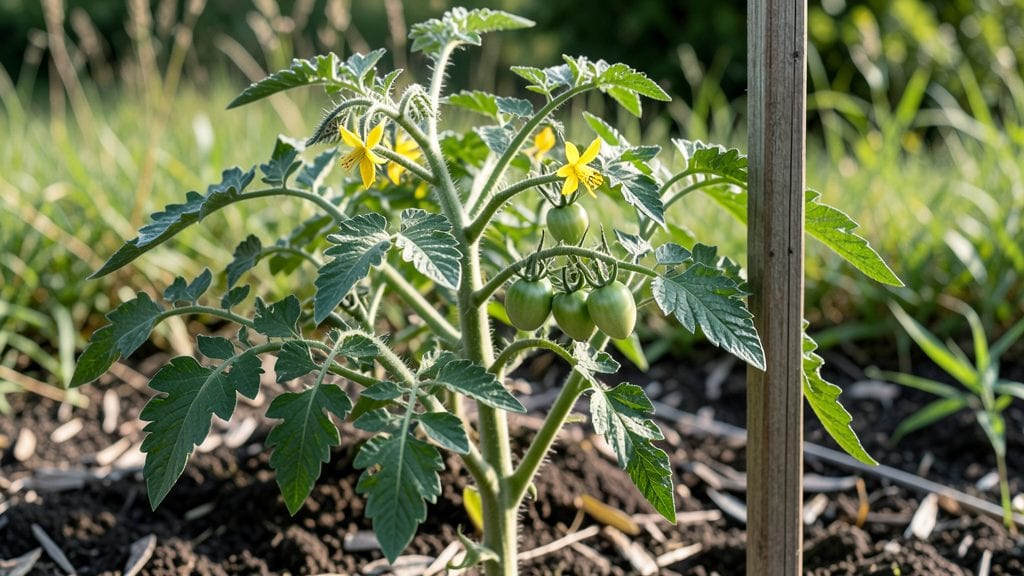
The best tomato gardening tips begin with choosing the right varieties and pruning like a pro—trust me, I’ve grown hundreds of plants, and these two moves make all the difference. 🌱 choosing disease-resistant types and pruning like a pro.
The best part? These tricks work for both backyard gardeners and container growers.
First, skip the fancy soil tests—tomatoes just need well-draining, nutrient-rich soil with plenty of compost mixed in. Plant in full sun (6+ hours daily) and space plants 18-24 inches apart to improve airflow, which cuts down on fungal diseases like blight.
Water at the base in the morning to keep leaves dry, and mulch heavily to lock in moisture. The right setup means fewer pests and healthier plants from day one.
Pruning isn’t just about shaping—it’s about directing energy where it matters. Pinch off suckers (those little shoots between stems) to focus growth on fruit production, and remove lower leaves to prevent soil-borne diseases.
Within 4-6 weeks, you’ll see stronger stems and heavier clusters of tomatoes. The payoff? A harvest that keeps coming until frost, with fewer blight spots and more flavor-packed fruit.
Works for heirlooms, hybrids, and even cherry tomatoes—just adjust pruning based on the variety. Whether you’re dealing with a crowded raised bed or a single container, these methods scale easily. Ready to grow tomatoes that outperform the grocery store? Let’s get started.
📚 In This Guide
- What you need
- Instructions
- Tips and common mistakes
- Wrapping up and next steps
What you need
- ● Tomato Seeds or Seedlings: Choose disease-resistant varieties like 'Celebrity' (Vernia-resistant) or 'Mountain Merit' (Verticillium-resistant). Start with 4-6 plants for a small garden.
- ● Growing Containers or Garden Bed: For containers: 5-gallon pots or larger (tomatoes need space!)
- ● For in-ground planting: Well-draining soil in a sunny spot (6+ hours of sunlight daily).
- ● Potting Mix or Soil: High-quality, sterilized mix (avoid garden soil with pests/diseases). Add compost for nutrients.
- ● Fertilizer: Balanced 10-10-10 or organic options like fish emulsion or worm castings.
- ● Support System: Cages (5-6 ft tall)
- ● Trellises or stakes (6+ ft)
- ● Tie-downs (soft plant ties or cloth strips)
- ● Watering Supplies: Drip irrigation or a watering can with a rose attachment (avoid overhead watering to prevent disease).
- ● Pruning Tools: Bypass pruners (sharp and clean)
- ● Garden shears (for larger stems)
- ● Mulch: Straw or shredded leaves to retain moisture and suppress weeds.
- ● Disease Prevention: Copper fungicide, neem oil, or baking soda spray (1 tsp baking soda + 1 quart water + drop of soap).
- ● Pest Control: Row covers (for early season), beneficial insects (ladybugs, lacewings), or diatomaceous earth.
- ● Soil Testing Kit: Check pH (ideal: 6.0-6.8) and nutrient levels.
- ● Garden Gloves: Protect your hands from thorns and dirt!
Step-by-step guide to growing healthy tomatoes
Here's how to cultivate thriving tomato plants using smart disease prevention and pruning.
🌱 Step 1: Select and Plant Disease-Resistant Varieties
Start with varieties bred for your climate's biggest threats. For humid areas, try 'Celebrity' or 'Mountain Merit'—both resist fungal diseases like early blight. In dry regions, 'Solar Fire' handles heat and cracking. Plant seeds indoors 6-8 weeks before your last frost date, using sterile seed-starting mix in 2-3 inch deep pots.
Transplant seedlings outdoors after all danger of frost has passed and soil warms to 60°F. Bury stems deeper than usual—up to ⅓ of the plant's height—to encourage strong root growth from buried stems. This simple trick helps plants recover faster from transplant shock and establishes a more robust root system.
✂️ Step 2: Prune for Airflow and Disease Prevention
Remove lower leaves up to 12 inches from the soil when plants are 12-18 inches tall. This eliminates shade and moisture that fuels fungal spores. Prune with clean, sharp shears during dry morning hours to let wounds heal quickly. I always sanitize my tools with rubbing alcohol between cuts—this prevents spreading any hidden pathogens.
For indeterminate varieties, prune suckers (the shoots growing between main stems and branches) regularly. Remove them when they're 3-4 inches long to redirect energy to fruit production. Never leave stubs—cut all the way back to the main stem. This ensures clean wounds and prevents disease entry points.
☀️ Step 3: Provide Optimal Light and Water Management
Tomatoes need 6-8 hours of direct sun daily for maximum fruit production. If your plants show pale, leggy growth, they're stretching for light. Move them to a sunnier spot or supplement with a grow light for 14-16 hours per day. I've found that morning sun is most critical—plants exposed to afternoon heat often develop sunburn on fruit.
Water deeply 1-2 times per week, aiming for 1-1.5 inches of water per week. Use drip irrigation or soaker hoses to keep foliage dry—wet leaves invite fungal diseases. Water at the base in the morning so foliage has all day to dry. You'll know you're doing it right when the top 2-3 inches of soil feel dry between waterings.
🌿 Step 4: Support Plants and Monitor for Pests
Install sturdy cages or stakes when plants are 6-8 inches tall to prevent wind damage and disease spread from touching leaves to soil. I prefer 5-foot tall bamboo stakes for tall varieties like 'Sungold'—they're strong enough to support heavy fruit loads without bending. Tie plants loosely with soft plant ties every 6-8 inches up the stem.
Watch for early signs of pests like aphids or tomato hornworms. Remove them by hand in the morning when they're sluggish from cool temperatures. For hornworms, I look for distinctive green bodies with white stripes and black "horns." A quick hand-swipe removes them before they can skeletonize leaves overnight.
⏰ Step 5: Harvest at Peak Ripeness
Pick tomatoes when they're fully colored and slightly soft to the touch. For heirlooms, this might mean waiting until they're deep red and fragrant. For cherry varieties like 'Sungold,' harvest when they're bright orange and plump. I always harvest in the morning when temperatures are coolest—this preserves flavor and prevents bruising.
Don't leave tomatoes on the vine past their prime. Overripe fruit attracts pests and diseases that can spread to the entire plant. Store harvested tomatoes stem-side down at 55-65°F for best flavor retention. You'll notice the difference in taste when you compare store-bought tomatoes to those you've grown yourself—homegrown always wins for sweetness and texture.
Tips & tricks for perfect tomato gardening
Here's what I've learned from years of growing tomatoes—these tricks will help you avoid common pitfalls and grow healthier plants.
Variety Selection Matters: When choosing your tomato varieties, consider your local climate's biggest challenges. For example, if you live in a humid area, 'Celebrity' tomatoes resist early blight exceptionally well, while 'Mountain Merit' handles both early and late blight. In hot, dry climates, 'Solar Fire' is a game-changer because it handles heat stress and cracking better than most varieties. I always check with my local extension office to confirm which diseases are most common in my area before selecting seeds.
Transplanting Timing and Technique: The 60°F soil temperature is crucial for successful transplanting—it's the sweet spot where roots can establish without shock. When burying stems up to ⅓ of the plant's height, make sure to remove any lower leaves that would be buried. These leaves won't photosynthesize underground and can rot, so I always trim them off before planting. This technique creates a stronger root system that helps plants recover faster from transplant shock.
Pruning for Airflow: In Step 2, when you're removing lower leaves up to 12 inches from the soil, think of this as creating a "skirt" that allows air to circulate around the base of your plant. This airflow is critical because it prevents moisture from lingering on leaves, which is where fungal spores thrive. I've found that pruning in the morning gives leaves all day to dry out, significantly reducing disease risk. For indeterminate varieties, I make it a habit to check for suckers every week—removing them when they're just 3-4 inches long prevents them from becoming energy vampires that steal resources from your fruit.
Light and Water Management: The 6-8 hours of direct sunlight is non-negotiable for tomato production, but I've learned that morning sun is particularly important. Plants exposed to intense afternoon heat often develop sunburn on their fruit, which shows up as pale, leathery patches. For watering, I set a rain gauge nearby to track exactly how much water my plants are getting. Aiming for 1-1.5 inches per week means I don't have to guess—I can see exactly when my plants need more water. The 2-3 inch dry soil test is my go-to method for checking moisture levels without overwatering.
Pro Tips for Tomato Gardening Tips
- Here's what I've learned from years of growing tomatoes—these tricks will help you avoid common pitfalls and grow healthier plants.
- Variety Selection Matters: When choosing your tomato varieties, consider your local climate's biggest challenges.
- Transplanting Timing and Technique: The 60°F soil temperature is crucial for successful transplanting—it's the sweet spot where roots can establish without shock.
Frequently asked questions
Got questions about growing tomatoes?
You’re not alone! Here are answers to some of the most common tomato gardening dilemmas—from timing to troubleshooting—so you can grow a thriving, bountiful harvest.
When is the best time to plant tomatoes?
Plant tomato seeds indoors 6-8 weeks before the last frost or transplant seedlings outdoors 2-3 weeks after the last frost when soil temps reach at least 50°F (10°C). Tomatoes are frost-sensitive, so avoid planting too early! For warm climates, start in early spring.
How often should I prune my tomato plants?
Prune indeterminate varieties weekly (removing suckers—shoots between stems and leaves) to improve airflow and fruit production. Determinate tomatoes need minimal pruning—just remove diseased or overcrowded leaves. Stop pruning 2-3 weeks before harvest to avoid stressing the plant.
What are the most common tomato diseases, and how do I prevent them?
Watch for blight (early/fungal), powdery mildew, and blossom end rot. Prevent diseases by:
- Rotating crops (avoid planting tomatoes in the same spot yearly)
- Spacing plants for airflow (18-24" apart)
- Watering at the base (avoid wetting leaves)
- Using disease-resistant varieties (e.g., ‘Celebrity,’ ‘Mountain Merit’)
Can I grow tomatoes in containers, and what’s the best setup?
Yes! Use containers at least 5 gallons for dwarf varieties or 10+ gallons for larger plants. Ensure they have drainage holes and balanced fertilizer (high in phosphorus). Place in full sun (6-8+ hours/day) and rotate containers weekly for even growth.
Why are my tomato leaves turning yellow?
Yellow leaves usually signal overwatering, nutrient deficiency, or disease. Check these first:
Cause
Solution
Overwatering
Let soil dry slightly between waterings; improve drainage.
Nitrogen deficiency
Fertilize with balanced tomato food (e.g., 5-10-10).
Fungal disease (e.g., early blight)
Remove affected leaves; apply copper fungicide.
How do I know when tomatoes are ripe?
Ripeness depends on the variety:
- Heirloom tomatoes: Deep color (red, yellow, etc.), soft to touch, and fragrant.
- Green tomatoes: Wait until fully colored or pick early for cooking.
- Cherry tomatoes: Plump, firm, and vibrant.
Pro tip: If temps drop below 50°F (10°C), harvest green tomatoes and ripen indoors in a paper bag with a banana!
Wrapping up and next steps
Growing your own disease-resistant tomatoes is a rewarding journey that combines patience, care, and a little know-how!
By choosing the right varieties and mastering pruning techniques, you’ll not only boost your harvest but also enjoy healthier plants year after year. Remember, every expert gardener started with their first seed—so grab those shears, get your hands dirty, and watch your tomato garden thrive!
Ready to take it further? Experiment with new varieties or share your pruning secrets with fellow gardeners. Your next step could be joining a local gardening group or even starting a journal to track your progress. Happy growing! 🌱🍅