Trees
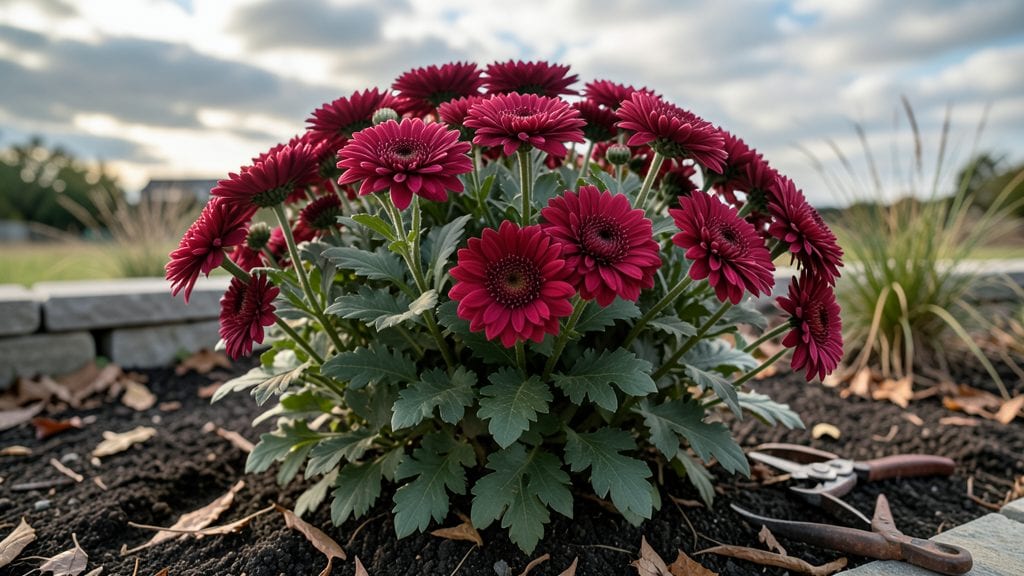
These pictures of mums in gardens prove they’re more than flowers—they’re autumn’s bold stars, turning bare patches into jewel-toned masterpieces with just the right arrangement. with color. The right placement makes them pop against evergreens, while the wrong spot makes them disappear into the fall foliage mess.
My front yard went from "meh" to "neighborhood envy" the year I stopped treating mums as afterthoughts and started styling them as the centerpiece.
You don't need a green thumb or a huge yard to make mums work—just containers, borders, or mass plantings with the right companions. Pair deep red mums with burgundy heuchera for drama, or let pale yellow ones brighten a shady corner next to hostas.
The key is contrasting textures: velvety mum petals against spiky ornamental grasses or glossy leaves. Even a single 10-gallon pot on your porch becomes a conversation starter when you pick the right variety and height.
I've seen mums turn a simple patio into a fall garden gallery with just three well-chosen colors.
What you'll end up with is a yard that stops people in their tracks when they drive by.
The contrast of mums against frost-kissed greenery creates depth, while their long bloom season (October through November in most zones) means you're the last one with color when everyone else's garden goes dormant. The best part?
They're foolproof—no deadheading required, no fussing over soil pH, just bold color that feels like a hug for your yard's personality. Let's talk placement secrets that make them shine.
Works for city balconies, suburban front yards, or rural acreage—just adjust the scale. The same principles apply whether you're planting one container or a massed border along your driveway. Here's how to make them the undeniable highlight of your autumn garden.
📚 In This Guide
- What you need
- Instructions
- Tips and common mistakes
- Wrapping up and next steps
What you need
- ● Chrysanthemum plants (mums): Choose hardy garden mums (e.g., 'Dynasity' or 'Jolinda') for fall color. Buy 5–10 plants for a small bed or 20+ for larger areas.
- ● Potting soil or garden soil: Use 1–2 bags (50 lbs each) of high-quality, well-draining soil (amend with compost if needed).
- ● Mulch: 2–3 cubic feet of shredded bark or pine straw to retain moisture and protect roots.
- ● Fertilizer: Balanced granular fertilizer (10-10-10) or slow-release pellets (follow package rates).
- ● Watering can or hose with spray nozzle: For gentle, deep watering (aim for 1–2 gallons per plant initially).
- ● Gloves & knee pads: Protect your hands and knees during planting!
- ● Pruners or shears: For trimming dead foliage or shaping plants post-planting.
- ● Decorative accents: Add garden stakes, pebbles, or solar lights for extra flair.
- ● Slow-release plant food: Mix into soil for 3–4 weeks of nourishment.
- ● Plant markers: Label varieties if you love specific colors or types.
- ● Rain gauge or moisture meter: Monitor soil moisture for optimal care.
How to design stunning mum displays that steal the show in autumn
Mums aren’t just fall flowers—they’re the bold, colorful statement pieces that transform any garden into a seasonal masterpiece.
Choose Your Mum Varieties for Maximum Impact
Start with a mix of 4-5 mum varieties to create depth and visual interest. I always include 2-3 different colors—deep burgundy, golden yellow, and crisp white—to create contrast. For height variation, pair tall varieties like ‘Autumn Joy’ (24-36 inches) with shorter types like ‘Pompon’ (12-18 inches). This ensures your display has both drama and balance.
Consider bloom time too—some mums open earlier, while others hold their color well into frost. Plant early bloomers in the front and late-season varieties toward the back so your display stays vibrant for weeks. I’ve found that dwarf varieties work beautifully in containers, while standard mums shine in garden beds.
Select the Perfect Planting Locations
Mums thrive in full sun to partial shade, but their color intensity depends on light exposure. For the boldest blooms, place them in at least 6 hours of direct sunlight daily. If your garden has harsh afternoon sun, opt for morning sun with afternoon shade to prevent leaf scorch.
Group mums in odd-numbered clusters—3, 5, or 7 plants—to create natural focal points. I often plant them along garden paths, near entryways, or in large containers where they’ll be seen immediately. Avoid planting them near tall perennials that might overshadow them before they reach their full height.
Prepare the Soil for Healthy, Long-Lasting Blooms
Mums prefer well-draining, slightly acidic soil with a pH between 5.5 and 6.5. Before planting, amend the soil with 2-3 inches of compost to improve fertility and drainage. If your soil is heavy clay, mix in sand or perlite to prevent root rot—a common issue with mums in wet conditions.
Dig holes twice as wide as the root ball but only as deep as the container. This encourages roots to spread outward, creating a stronger plant. Water the hole thoroughly before placing the mum in, then backfill with soil, pressing gently to remove air pockets. A slow-release fertilizer at planting time gives them a nutrient boost for the entire season.
Plant and Stake for Wind Resistance
Remove the mum from its container and loosen the roots if they’re circling. Place it in the hole so the top of the root ball sits level with the soil surface—never bury the stem. Fill in around the roots, firming the soil gently to eliminate gaps. For taller varieties, insert 3-foot stakes into the ground and secure the plant with soft ties to prevent wind damage.
Water deeply right after planting to settle the soil and encourage root contact. Mulch around the base with 2-3 inches of organic mulch, keeping it 2 inches away from the stem to prevent rot. This helps retain moisture and regulates soil temperature, which is especially important in early fall when nights grow cooler.
Maintain for Prolonged Color and Health
Water mums 1-2 times per week, depending on rainfall, ensuring the soil stays evenly moist but not soggy. Overwatering is the fastest way to invite disease, so always check the top 2 inches of soil before watering. Once blooms fade, deadhead spent flowers to encourage new blooms and extend the display.
Fertilize lightly every 3-4 weeks with a balanced, water-soluble fertilizer to keep blooms vibrant. If you notice leaves yellowing, it’s often a sign of overwatering or nutrient deficiency—adjust your care routine accordingly. With proper maintenance, mums will stay stunning well into late October or November, depending on your climate.
Tips & tricks for stunning mum displays that steal the show
Creating a show-stopping mum display isn't just about planting flowers—it's about strategic design choices that elevate your garden's autumn appeal. Here are the key insights that'll make your mum arrangement truly unforgettable.
Variety and Height Strategy: When selecting your 4-5 mum varieties, focus on creating vertical layers by pairing 'Autumn Joy' (24-36 inches) with 'Pompon' (12-18 inches). This height variation creates visual interest while maintaining balance. I've found that arranging taller varieties toward the back and shorter ones in front naturally draws the eye upward, creating a more dramatic focal point. For containers, use dwarf varieties to create cascading effects that spill beautifully over edges.
Light Exposure Mastery: The 6 hours of direct sunlight requirement is non-negotiable for vibrant blooms, but timing matters just as much. Morning sun with afternoon shade works best in hot climates—this prevents leaf scorch while still delivering the color intensity you want. If your garden has afternoon shade naturally, you can extend planting to slightly shadier areas, though you may sacrifice some bloom intensity. Always observe your garden's microclimates before finalizing placement.
Soil Preparation Secrets: The 2-3 inches of compost recommendation is crucial, but don't stop there. For heavy clay soils, I mix in perlite at a 1:1 ratio with the compost to create ideal drainage. This prevents that dreaded root rot while maintaining moisture retention. When planting, remember the "twice as wide, same depth" rule—this creates space for roots to establish properly without smothering the plant. I've seen mums planted too deeply struggle with poor air circulation at the base.
Maintenance Timeline: The 3-4 week fertilization schedule might seem frequent, but it's essential for maintaining vibrant blooms through late November. I recommend using a liquid fertilizer with a 10-10-10 ratio for balanced nutrition. When deadheading, be thorough—cut back to the first set of healthy leaves to encourage new growth. This simple step can extend your display's lifespan by 2-3 weeks, which makes all the difference in the fall season.
Pro Tips for Pictures Of Mums In Gardens
- Creating a show-stopping mum display isn't just about planting flowers—it's about strategic design choices that elevate your garden's autumn appeal.
- Variety and Height Strategy: When selecting your 4-5 mum varieties, focus on creating vertical layers by pairing 'Autumn Joy' (24-36 inches) with 'Pompon' (12-18 inches).
- Light Exposure Mastery: The 6 hours of direct sunlight requirement is non-negotiable for vibrant blooms, but timing matters just as much.
Frequently asked questions
Got questions about showcasing mums in your garden?
Here are some common ones—and their answers—to help you create a stunning autumn display with ease!
What’s the best time to plant mums for fall color?
For vibrant blooms, plant hardy mums (like Chrysanthemum ‘Dynasity’) in early spring (March–April) or late summer (August–September). Tender varieties need a 6–8 week head start indoors (start seeds in July). Avoid planting too late—cool nights trigger blooming, but roots need time to establish!
How many mums do I need to fill a garden bed?
Spacing depends on variety! For compact mums (6–12 inches tall), plant 9–12 per square foot. For standard-sized mums (12–24 inches), aim for 4–6 per square foot. Pro tip: Mix heights (e.g., 3 tall + 6 medium) for a layered, fuller look. Check the tag for mature size!
Do mums need special watering or sunlight?
Mums thrive in full sun (6+ hours/day) but tolerate partial shade (especially in hot climates). Water deeply 1–2 times per week—keep soil consistently moist but not soggy. Avoid overhead watering (to prevent fungal diseases like powdery mildew). Mulch around plants to retain moisture and regulate soil temp!
Can I mix mums with other plants for a better look?
Pair mums with ornamental grasses (like Pennisetum), heucheras (for foliage contrast), or sedum for texture. For height, add Russian sage or black-eyed Susans. Color-block with deep purples, fiery reds, or creamy whites for drama. Just avoid overcrowding—mums need airflow!
How do I care for mums after frost?
Once blooms fade or frost hits, cut back stems to 2–3 inches and remove dead foliage. For perennial mums, leave the crown intact—they’ll regrow next spring! For annuals, pull them up. Mulch heavily (3–4 inches) in cold climates to protect roots. Store container mums indoors if you want to replant next year!
Wrapping up and next steps
Transforming your garden into a vibrant autumn showcase doesn’t have to be complicated—just a little planning and passion! 🌿 From selecting the perfect mums to creating stunning arrangements, every step can bring warmth and color to your outdoor space.
Whether you’re a seasoned gardener or a beginner, these bold blooms are your ticket to a standout yard.
Ready to take the next step? Start by sketching your garden layout or browsing local nurseries for your favorite mum varieties. Then, grab your gardening tools and get planting—your autumn masterpiece awaits!