
Tools
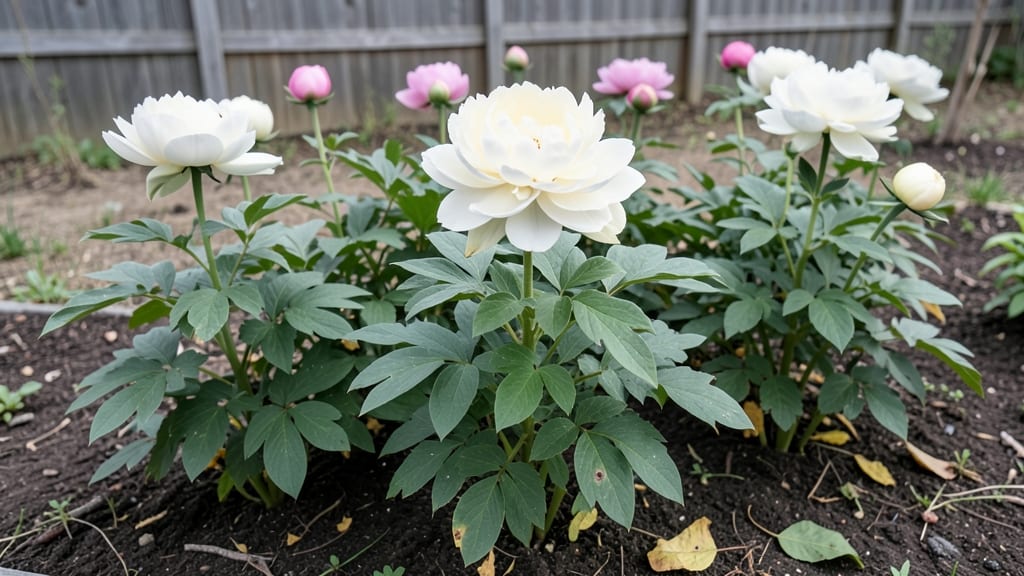
A peony flower garden transforms your yard into a fragrant, velvety dream—romantic blooms that thrive with minimal fuss once you know the right tricks. 🌸 I’ll never forget the first time I walked past a neighbor’s peony patch in full bloom, and the scent stopped me in my tracks.
That’s the magic: peonies aren’t just pretty; they’re the kind of garden that makes passersby pause and smile.
The secret lies in pairing them with the right companions—lavender for its silvery contrast, roses for their thorny romance, or even grasses to soften the bold petals.
Sunlight is non-negotiable (they need 6+ hours daily), but the real art is spacing: give them 3 feet between plants so those lush blooms don’t crowd each other. Think of it as a living tapestry where every plant has its own space to shine.
By late spring, your garden will burst with bowl-sized blooms in pinks, whites, and corals, their scent lingering like a secret. The foliage stays lush all season, turning golden in fall—no deadheading, no fuss.
Just pure, effortless beauty that keeps giving. Ready to design a garden that feels like a hug every time you walk by?
Works in cottage-style beds, modern borders, or even as a dramatic focal point near your front door. Here’s how to make it happen without the overwhelm.
📚 In This Guide
- What you need
- Instructions
- Tips and common mistakes
- Wrapping up and next steps
What you need
- ● Peony plants: 5–10 bare-root or potted peonies (herbaceous or tree types, depending on your climate). Choose varieties like 'Sarah Bernhardt' or 'Bowl of Beauty' for vibrant blooms!
- ● Well-draining soil: Mix 60% native soil with 40% compost or aged manure (avoid fresh manure—it can burn roots!). Aim for a pH of 6.0–7.0.
- ● Organic mulch: 2–3 inches of wood chips, straw, or shredded bark to retain moisture and suppress weeds.
- ● Fertilizer: A balanced, slow-release granular fertilizer (10-10-10) or a phosphorus-rich option (e.g., 5-10-10) to encourage root and bloom growth.
- ● Watering can or hose: With a gentle spray nozzle for deep but controlled watering.
- ● Garden stakes or rings: 3–4 stakes per plant (4–6 feet tall) to support heavy blooms.
- ● Garden trowel or spade: For digging planting holes (12–18 inches wide and deep).
- ● Pruning shears: Sharp, sterilized shears for trimming dead foliage after blooming.
- ● Gloves: Heavy-duty work gloves to protect your hands from thorns and rough soil.
- ● Measuring tape or ruler: To ensure proper spacing (2–3 feet between plants).
- ○ Optional: Soil test kit (to check pH and nutrient levels).
- ● Drip irrigation system (for automated watering).
- ● Decorative rocks or edging (for a polished garden border).
- ● Peony-specific fertilizer (like bone meal for extra phosphorus).
- ● A sunny location: Peonies thrive in full sun (6–8 hours daily). Avoid shaded spots!
- ● Well-draining soil: Test your soil or amend heavy clay with sand/compost.
- ● Patience: Peonies take 2–3 years to reach full bloom potential—worth the wait!
- ● Seasonal timing: Plant in early fall or late winter (before buds swell) for best results.
Instructions for planting a stunning peony flower garden
Here's how to create a lush, low-maintenance peony garden that rewards you with bold blooms for decades.
🌱 Step 1: Choose the Perfect Planting Location
Peonies crave full sun, so select a spot that gets 6-8 hours of direct sunlight daily. I always test the site first by observing how much sun it receives over a week—you'll notice morning sun is gentler than harsh afternoon rays. Avoid low spots where cold air settles, as peonies dislike soggy roots in winter.
Once you've found the ideal location, loosen the soil to a depth of 12 inches using a garden fork. This helps roots establish deeply. If your soil drains poorly, mix in 2-3 inches of compost to improve aeration. Peonies hate heavy clay, so amend it thoroughly before planting—trust me, this step saves headaches later.
🪴 Step 2: Plant Peony Crowns at the Right Depth
Peony crowns (the thick, knobby base where roots emerge) must be planted 1-2 inches below soil level. Any deeper, and they won't bloom; too shallow, and they'll rot. I like to dig a hole wide enough to spread the roots naturally without bending them.
Place the crown so the eyes (buds) face outward, not upward. This ensures each bud has equal access to sunlight and air circulation. Fill the hole halfway with soil, then water deeply to settle it. Backfill the rest, pressing gently to eliminate air pockets. Water again until the soil is moist but not waterlogged.
☀️ Step 3: Mulch and Water for Establishment
Spread 2-3 inches of mulch around each plant, keeping it 6 inches away from the crown to prevent rot. I use shredded bark or straw—it insulates roots in winter and retains moisture in summer. Water thoroughly after mulching to encourage roots to spread outward.
During the first year, keep the soil consistently moist but never soggy. You'll know it's right when the top inch of soil feels damp to the touch. Avoid overhead watering, which can spread fungal diseases. Instead, water at the base early in the day so foliage dries quickly.
✂️ Step 4: Prune and Maintain for Long-Term Blooms
Wait until late spring or early summer to prune peonies. Cut back stems to 1-2 inches above the ground after they've finished blooming. This prevents disease and encourages stronger growth next season. I always sterilize my pruners with rubbing alcohol between cuts to avoid spreading pathogens.
Divide mature clumps every 4-5 years in early fall. Dig up the crown, separate the sections with a sharp knife, and replant immediately. This rejuvenates blooms and prevents overcrowding. Fertilize lightly in early spring with 10-10-10 fertilizer, but avoid heavy feeding—peonies bloom best when slightly underfed.
⏰ Step 5: Enjoy and Plan for Next Year
Peonies reward patience with 5-10 years of stunning blooms. Once established, they need minimal care—just consistent watering and occasional deadheading. Watch for buds forming in late winter; this is your cue to reduce watering slightly to prevent early blooms, which often get damaged by frost.
In late fall, add a 2-inch layer of mulch to protect crowns from freezing. I mark planting locations with small flags so I don't disturb them during winter cleanup. By next spring, you'll see lush foliage and, eventually, those dreamy blooms you planted for.
Tips & tricks for perfect peony flower gardens
Between us, these little details make all the difference between a peony garden that thrives and one that struggles. I've learned these the hard way after watching too many plants fail from simple oversights.
Sunlight Strategy: The 6-8 hours of sunlight in Step 1 is non-negotiable, but here's what nobody tells you—morning sun is gentler than afternoon heat. I always plant peonies where they get morning rays and afternoon shade if your climate gets scorching. You'll notice the leaves stay greener and healthier through summer this way. For partial shade spots, choose lighter-colored peony varieties like 'Sarah Bernhardt'—they handle shade better than deep reds.
Soil Prep Secret: When amending your soil in Step 1, don't just add compost—mix in a handful of perlite or coarse sand for that 12-inch depth. This creates tiny air pockets that peony roots love, especially in heavy clay. I've seen roots grow twice as fast in amended soil compared to unamended. The key is thorough mixing—don't just sprinkle compost on top.
Planting Depth Visual: Getting that 1-2 inch planting depth right in Step 2 is tricky. Here's my trick: hold the crown at arm's length and see if the top of the crown lines up with your wrist. That's your 1-2 inch target. Too deep and buds won't emerge; too shallow and crown rot becomes a risk. I always make a small mound of soil first, place the crown on top, then fill around it—this prevents over-deepening.
Mulch Placement Matters: That 2-3 inches of mulch in Step 3 needs precise placement. Keep it 6 inches away from the crown stem—this prevents rot while still protecting roots. I use a ruler to measure this distance after mulching. Also, avoid piling mulch against the stems when adding that winter protection layer. Think of it like creating a donut shape around each plant.
Pro Tips for Peony Flower Garden
- Between us, these little details make all the difference between a peony garden that thrives and one that struggles.
- Sunlight Strategy: The 6-8 hours of sunlight in Step 1 is non-negotiable, but here's what nobody tells you—morning sun is gentler than afternoon heat.
- Soil Prep Secret: When amending your soil in Step 1, don't just add compost—mix in a handful of perlite or coarse sand for that 12-inch depth.
Frequently asked questions
Got questions about creating your dream peony flower garden? You’re not alone! Here are some of the most common queries—and their simple, fuss-free answers to help you grow like a pro.
When is the best time to plant peonies?
The ideal time to plant peonies is in early fall (4–6 weeks before the ground freezes) or early spring (as soon as the soil is workable). Fall planting gives roots time to establish before winter, while spring planting works in milder climates. Avoid planting in extreme heat or cold!
How long do peonies take to bloom after planting?
Peonies are patient beauties—expect blooms 2–3 years after planting (sometimes longer for bare-root varieties). The first year focuses on root growth, and the second year may yield a few buds. Patience pays off with lush, long-lasting flowers for decades!
Do peonies need full sun to thrive?
Yes! Peonies love 6–8 hours of direct sunlight daily for the best blooms. However, they can tolerate partial shade (4–6 hours of sun), especially in hot climates. Just know that shade may reduce flower size or quantity. A morning sun + afternoon shade spot is ideal for balanced growth.
What pests or diseases should I watch for in peony gardens?
Peonies are tough but can face peony wilt (a fungal disease) or pests like Japanese beetles. To prevent wilt, avoid overhead watering and ensure good airflow. For beetles, handpick them early in the day or use neem oil. Healthy soil and proper spacing also deter most issues!
Can I grow peonies in containers or small gardens?
Dwarf or tree peonies (like ‘Karl Rosenfield’) thrive in containers (at least 12–18 inches wide). Use well-draining soil and a pot with drainage holes. Just note that container-grown peonies may need annual division to prevent overcrowding and ensure bigger blooms.
Wrapping up and next steps
A peony flower garden is more than just a splash of romance—it’s a low-maintenance masterpiece that rewards patience with breathtaking blooms. Whether you’re drawn to lush Paeonia lactiflora or delicate tree peonies, these flowers prove that beauty doesn’t require backbreaking work.
With the right soil, sunlight, and a little seasonal care, your garden will flourish year after year.
Ready to dive in? Start by sketching your dream layout—then grab your gloves and get planting! 🌸 Your future garden (and future compliments) are waiting.