Pests
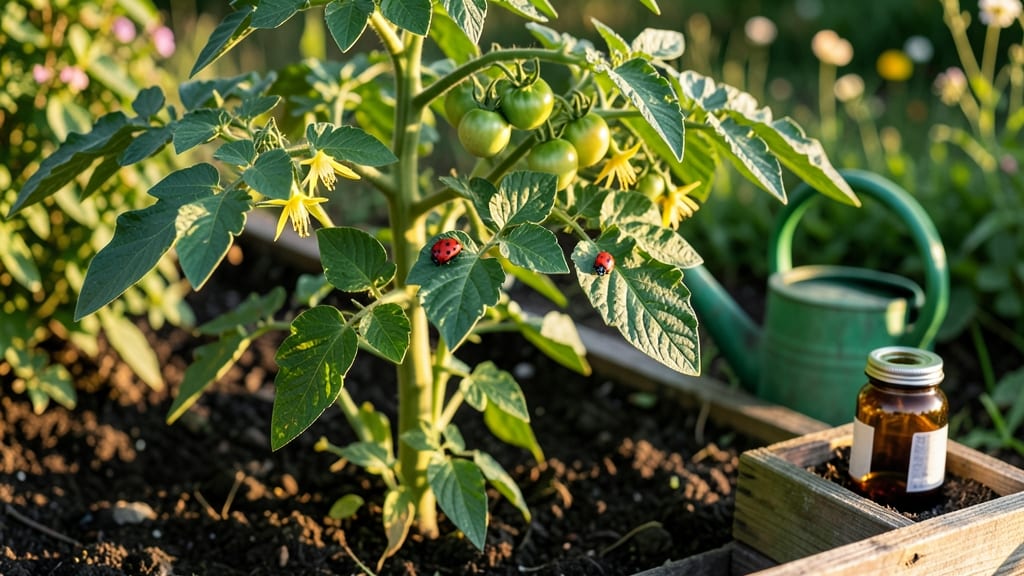
My garden’s aphid crisis last summer taught me the hard way that organic garden pest control isn’t just a preference—it’s a necessity when you want to eat what you grow without poisoning your soil or the bees buzzing by. 🌿 The key isn’t spraying everything in sight but understanding which pests bother which plants and how to disrupt their party without inviting worse problems.
Neem oil, insecticidal soap, and homemade garlic sprays aren’t just old wives’ tales—they’re science-backed disruptors of pest life cycles. I’ve seen caterpillars vanish within hours of a targeted spray, slugs retreat after a barrier of crushed eggshells, and aphids drop like flies after a soapy water rinse.
The secret? Timing and consistency, not brute force. Even my black thumb can’t mess this up once you know the tricks.
By the end of this, you’ll have a toolkit that keeps your tomatoes lush, your roses blooming, and your dinner plate pesticide-free. No more guessing which spray works or watching your hard work get munched overnight. Let’s turn your garden back into the thriving, pest-free paradise it should be.
Works for veggie patches, flower beds, and even houseplants—no matter what’s chewing on your green dreams. Here’s how to make it happen without a single toxic chemical in sight.
Root Causes Of Garden Invaders
Pests don’t just appear in your garden out of spite—they’re drawn by specific conditions that make your organic space an all-you-can-eat buffet. Understanding why these critters show up is the first step to keeping them at bay without harsh chemicals. Here’s the science behind their uninvited visits:
When plants grow too close together, they create a perfect microclimate for pests. Thick foliage traps moisture, providing ideal breeding grounds for slugs, aphids, and fungal-loving insects like whiteflies. Poor air circulation also weakens plants, making them more susceptible to attacks.
- Why it happens: Dense planting reduces sunlight penetration and slows evaporation, increasing humidity near the soil.
- Pest magnet: Soft-stemmed plants (like basil or lettuce) become easy targets for chewing insects.
- Science note: Studies show that overcrowding can raise soil-borne pest populations by up to 40% due to shared nutrients and stress signals between plants.
Actionable fix: Space plants according to their mature size (check seed packets!) and prune regularly to improve airflow.
When your soil lacks essential nutrients, plants become stressed—and stressed plants are like neon signs for pests. Weakened defenses attract aphids, spider mites, and even root-feeding nematodes, which thrive in imbalanced ecosystems.
- Why it happens: Low nitrogen (N) weakens stems, while deficient phosphorus (P) reduces root resilience. Pests exploit these gaps.
- Pest magnet: Yellowing leaves (a sign of nitrogen deficiency) signal to pests that the plant is easily digestible.
- Science note: Research in Journal of Plant Pathology found that nitrogen-deficient plants emit 2-3x more volatile organic compounds (VOCs), which attract herbivorous insects.
Actionable fix: Test your soil (DIY kits are cheap!) and amend with compost or organic fertilizers like fish emulsion or worm castings.
Pests love extremes—whether your garden is too wet or too dry. Overwatering creates soggy soil, inviting fungal pests like Phytophthora (root rot) and slugs, while drought-stressed plants attract sap-sucking insects desperate for moisture.
- Why it happens:
- Overwatering: Anaerobic soil (low oxygen) forces roots to weaken, making them vulnerable to pests.
- Drought: Plants produce more sugars to survive, which attracts aphids and whiteflies like a sugar rush.
- Pest magnet: Slugs thrive in damp, shady conditions, while spider mites explode in dry, hot weather.
- Science note: A study in Ecological Entomology found that drought-stressed plants release 50% more honeydew (a sugary byproduct), which feeds fungal growth and attracts ants (who "farm" the pests).
Actionable fix:
- Water deeply but infrequently (1-2 inches per week, depending on climate).
- Use mulch to regulate moisture and deter slugs.
- Install a drip irrigation system to avoid wetting foliage (which spreads disease).
Growing the same plants in large blocks is like rolling out a welcome mat for pests. Without biodiversity, beneficial predators (like ladybugs or parasitic wasps) have nowhere to hide, and pests can feast unchecked.
- Why it happens: Monocultures lack natural pest barriers. For example, planting rows of tomatoes attracts hornworms, which have no predators in a sea of identical hosts.
- Pest magnet: Crops like potatoes, corn, and strawberries are especially vulnerable because pests specialize in them.
- Science note: The polyculture principle (mixing plant species) reduces pest outbreaks by up to 70% by disrupting their life cycles.
Actionable fix: Interplant companion crops (e.g., marigolds with tomatoes to repel nematodes) and rotate plant families yearly.
By addressing these root causes, you’re not just treating symptoms—you’re removing the buffet that’s luring pests in the first place. Next up: organic solutions that actually work.
Natural Fixes for Common Garden Menaces
Pests in your organic garden can feel like uninvited guests crashing your party—but the good news is, you don’t need harsh chemicals to evict them. With the right targeted, non-toxic solutions, you can restore balance to your garden while keeping your plants thriving.
Below, we’ve mapped out cause-specific fixes, from quick remedies to long-term prevention, so you can tackle issues before they spiral.
Cause: These soft-bodied insects cluster on new growth, leaves, and stems, draining nutrients and spreading viruses. Fix:
- Blast them off 🔥: Use a strong spray of water (from a hose nozzle) to dislodge them daily for 3–5 days.
- Introduce predators 🐞: Ladybugs, lacewings, and parasitic wasps love aphids—buy them online or attract them with dill, fennel, or marigolds.
- Neem oil spray 🌿: Mix 1 tsp neem oil + 1 tsp mild soap + 1 quart water, spray undersides of leaves (reapply every 5–7 days).
Prevention: ✅ Interplant with herbs like basil or mint—aphids avoid their strong scents. ✅ Encourage biodiversity—healthy soil = stronger plants that repel pests naturally.
Cause: These green caterpillars (larvae of white butterflies) chew holes in brassicas like kale, broccoli, and cabbage. Fix:
- Handpick early 👨🍳: Check leaves daily and drop worms into soapy water (they’re easy to spot!).
- Bacillus thuringiensis (Bt) 💊: A natural bacteria that kills caterpillars but is safe for humans and bees. Spritz leaves when young worms appear.
- Row covers 🛡️: Use floating fabric over young plants to block butterflies from laying eggs.
Prevention: ✅ Plant trap crops like radishes or mustard greens to lure pests away. ✅ Rotate crops yearly to disrupt their life cycle.
Cause: These slimy critters leave silver trails and ragged holes in leaves, stems, and fruits overnight. Fix:
- Beer traps 🍺: Bury a shallow container filled with beer—slugs crawl in and drown. Refresh every 2 days.
- Copper barriers ⚡: Run copper tape around raised beds or pots—slugs get a mild shock and avoid crossing.
- Diatomaceous earth (DE) 🌡️: Sprinkle food-grade DE around plants (reapply after rain). It dehydrates slugs without harming plants.
Prevention: ✅ Mulch with sharp materials like crushed eggshells or gravel (slugs hate rough textures). ✅ Water in the morning so soil dries faster, making slugs less active.
Cause: Overly wet conditions or poor airflow lead to powdery mildew (white dust) or downy mildew (yellow spots). Fix:
- Baking soda spray 🧂: Mix 1 tbsp baking soda + 1 tsp soap + 1 gallon water, spray affected areas (works on contact).
- Neem oil or potassium bicarbonate 🌿: Use as a preventative spray every 7–10 days in humid weather.
- Improve airflow 💨: Prune crowded plants and space them 12–18 inches apart.
Prevention: ✅ Water at the base (not overhead) to keep leaves dry. ✅ Rotate crops to prevent soil-borne fungi from building up.
Cause: While ants do help ecosystems, they farm aphids (protecting them for honeydew) and can damage roots. Fix:
- Treat the aphids first 🐞: Fix aphid infestations (above), and the ants will leave.
- Diatomaceous earth barrier 🌡️: Create a 2-inch ring around plants to block ant trails.
- Boiling water 🔥: Pour it directly into ant mounds (works fast but is temporary).
Prevention: ✅ Remove aphid hotspots—ants won’t stick around without their "cattle." ✅ Use citrus peels around plants—ants dislike the scent.
💡 Rotate your methods—pests adapt, so mix up sprays, traps, and hand-picking. ✨ Healthy soil = resilient plants—amend with compost and mycorrhizal fungi to boost natural defenses. 🎯 Act at the first sign—early intervention prevents small problems from becoming big headaches.
Pro Tip: Keep a garden journal to track which pests visit and what fixes work best—your future self will thank you! 📖✏️
Frequently asked questions
How do I identify common organic garden pests without damaging my plants?
Start by examining the type of damage—chewed leaves (caterpillars), sticky residue (aphids), or silvery trails (slugs). Check the undersides of leaves for tiny eggs or insects. Use a 10x magnifying glass for close-ups. For fungi, look for powdery coatings or yellow spots. Most pests leave distinct clues if you know what to spot.
Can I use coffee grounds to repel pests naturally?
Yes! Coffee grounds work best against slugs, ants, and snails—sprinkle them around plant bases or create a 2-inch barrier near beds. The caffeine disrupts their slime trails. For aphids, mix used grounds with water to create a spray (let it steep overnight). Just avoid overapplying, as too much can acidify soil.
What’s the fastest way to get rid of aphids without harming beneficial insects?
Blast them off with a strong water spray (direct the stream at colonies for 3–5 days). For stubborn clusters, use insecticidal soap (mix 1 tbsp mild soap + 1 quart water)—it kills aphids on contact but breaks down quickly, leaving no residue. Avoid neem oil if you have ladybugs nearby, as it can harm them temporarily.
Why do my organic sprays stop working after a few applications?
Pests often develop resistance to the same treatment, especially with neem oil or soap sprays. Rotate methods—try Bacillus thuringiensis (Bt) for caterpillars or garlic spray (blend 1 bulb garlic + 1 quart water) for aphids. Also, ensure you’re applying sprays evenly on both leaf sides and reapply after rain.
Are there any pests that actually help my garden?
Ladybugs eat aphids, parasitic wasps target caterpillars, and ground beetles hunt slug eggs. Even ants (in moderation) help decompose organic matter. Preserve these allies by avoiding broad-spectrum sprays, planting native flowers (like dill or yarrow), and leaving some "wild" areas in your garden.