
Tools
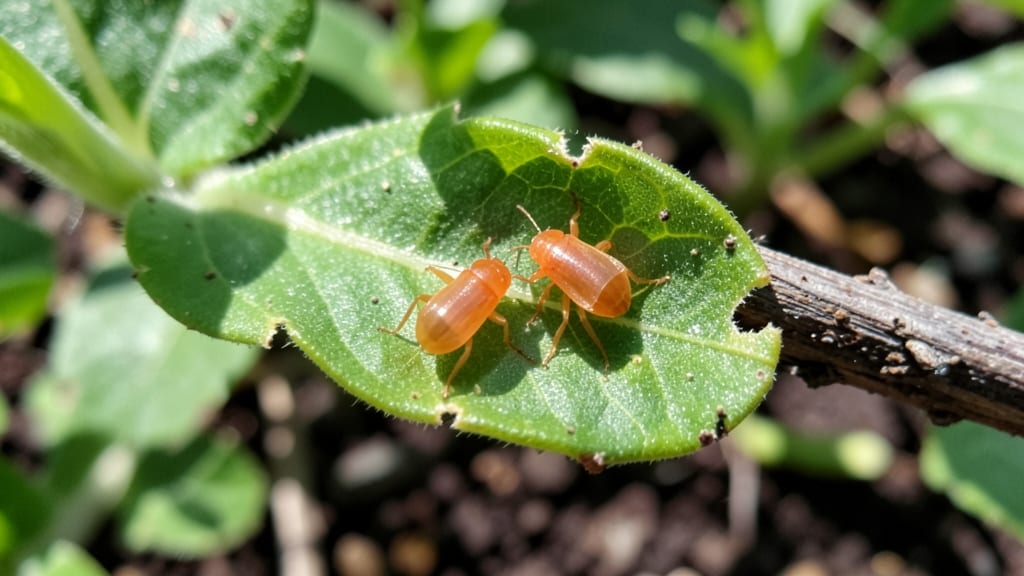
Orange garden bugs might look alarming at first, but some are your garden’s best allies while others need gentle persuasion to leave. 🌿 I’ve spent years watching these tiny citrus-scented invaders—from ladybugs that devour aphids to those pesky orange mites that drain your plants—and I’ll show you how to tell them apart without chemicals.
The key is their size, behavior, and what they’re munching on. Ladybugs and lacewings are harmless helpers that protect your plants, while orange mites or citrus leafminers are sneaky troublemakers hiding on the undersides of leaves.
A simple magnifying glass and a spray bottle of soapy water can make all the difference in keeping the good guys and kicking out the bad.
Once you know who’s who, you’ll use citrus-scented traps and neem oil sprays to lure or deter pests without harming your plants or the beneficial bugs. Your garden will stay lush, and you’ll never panic when you spot an orange speck again—because most of them are actually working for you.
This works for vegetable patches, citrus trees, and even houseplants, making it a versatile trick for any gardener. Let’s turn those orange invaders into a non-issue!
Natural Attractants That Draw Them In
Those bright orange garden bugs—often harlequin bugs or citrus-scented lures—don’t just appear randomly. Their presence is a mix of biology, chemistry, and your garden’s environment. Understanding the why behind their attraction helps you outsmart them before they become a problem. Let’s break down the key factors:
Many orange garden pests are drawn to specific plant odors because they’ve evolved to recognize the chemical signatures of their host plants. For example:
- Harlequin bugs (with their striking orange-and-black patterns) are particularly fond of Brassicaceae plants like cabbage, broccoli, and kale. These plants release volatile organic compounds (VOCs) that signal "food" to the bugs.
- Citrus-scented lures (like those used in traps) replicate the smell of citrus fruits, which some pests—such as citrus leafminers or aphids—find irresistible. The bugs’ antennae detect these scents from up to 100 feet away!
💡 Pro Tip: If you’ve noticed an influx of orange bugs near your garden, check for plants emitting strong aromas—especially citrus, herbs (like dill or fennel), or cruciferous veggies. These are their "calling cards."
Temperature plays a huge role in pest activity. Orange garden bugs thrive in:
- Warm, sunny microclimates—they’re cold-blooded, so they seek out heat to speed up their metabolism and reproduction.
- Southern or western exposures in gardens, where sunlight lingers longer, making these areas prime real estate.
- Dry, well-drained soil—moisture-stressed plants often emit more distress signals (like VOCs), which bugs detect as "easy meals."
🌡️ Science Note: Studies show that harlequin bugs become most active when soil temps reach 70°F (21°C) or higher. If your garden is a sunbaked hotspot, expect more visitors.
When plants are under stress—whether from drought, poor soil, or overcrowding—they release chemical cues that act like a dinner bell for pests. Here’s how it works:
| Stress Factor | Chemical Signal Released | Pest Response |
|---|---|---|
| Drought stress | Ethylene gas + increased sugar content in leaves | Orange bugs (like stink bugs) are drawn to sweeter, more nutrient-rich tissues. |
| Overcrowding | Volatile compounds like green leaf volatiles (GLVs) | Acts as a "find me" beacon for herbivorous bugs. |
| Nutrient deficiency (e.g., nitrogen) | Altered leaf chemistry (more proteins/lipids) | Pests target plants as a last-resort food source. |
✨ Actionable Fix: Healthy plants are your best defense! Mulch to retain moisture, prune for airflow, and fertilize before pests arrive to reduce stress signals.
Not all bugs in your garden are bad—but some unintentional hitchhikers tag along with the good ones. For example:
- Ladybugs and lacewings (beneficial predators) sometimes lay eggs near plants that later attract harlequin bugs when those plants mature.
- Bees pollinating flowers can inadvertently spread eggs or nymphs of orange bugs from infested areas to your garden.
- Wind or water can carry bug eggs or adults from neighboring properties, especially in urban or suburban gardens.
🔥 Watch Out: If you’ve recently introduced new plants or beneficial insects, monitor for a delayed surge in orange bugs—it can take weeks for their populations to explode.
By recognizing these triggers, you can disrupt the cycle before orange garden pests become a full-blown infestation. The next step? Smart traps and repellents to turn the tables on them!
Natural Ways to Outsmart Garden Pests
If you’ve spotted those bright orange garden bugs lurking around your plants, don’t reach for harsh chemicals just yet! These citrus-scented critters can be managed—even deterred—with clever, eco-friendly strategies.
Below, we’ll break down the most effective solutions based on the root cause of your pest problem, from physical barriers to scent-based tricks. Plus, we’ll share prevention tips to keep your garden thriving long-term.
If your orange garden bugs are attracted to your citrus-scented plants (or other lures), the fix starts with disrupting their scent trail.
🍋 Use Citrus Peels as a Trap
Orange bugs love the smell of citrus—but you can turn that into a trap! Peel an orange, place the rinds in a shallow dish, and add a splash of water.
The bugs will gather, and you can dispose of them daily (or let birds and beneficial insects do the cleanup for you).
🌿 Plant Confusing Scents Nearby
Bugs rely on scent to find food. Plant strong-smelling herbs like basil, rosemary, or mint near your citrus trees. These scents mask the citrus aroma, making it harder for pests to locate your plants.
💡 Pro Tip:
Rotate your trap dishes every few days to keep the scent fresh and maximize effectiveness.
If these orange invaders are causing visible damage, a physical or mechanical barrier can save your plants.
🕷️ Introduce Beneficial Predators
Ladybugs, lacewings, and parasitic wasps love eating orange garden bugs. Purchase them online or attract them naturally by planting dill, fennel, or yarrow—their favorite snacks.
🧹 Handpick & Squish (Yes, Really!)
For small infestations, pick bugs off by hand and drop them into soapy water. Do this in the early morning when they’re sluggish. (Bonus: Wear gloves—some bugs have a nasty bite!)
🧴 Use Neem Oil Spray
A natural pesticide, neem oil disrupts bug life cycles without harming your plants. Mix 1 tsp neem oil + 1 tsp mild soap + 1 quart of water, spray on affected areas, and reapply every 5-7 days.
> ⚠️ Warning: Test on a small leaf first—some plants are sensitive!
Prevention is key to keeping orange garden bugs from staging a comeback.
🌡️ Maintain Garden Hygiene
Remove fallen fruit, leaves, and debris—these create hiding spots and breeding grounds. A tidy garden = fewer pests.
🎯 Rotate Plant Locations
If bugs target specific plants, move them annually to break their scent memory. This confuses them and reduces future infestations.
🌿 Use Diatomaceous Earth (DE)
Sprinkle food-grade DE around plant bases. It’s a non-toxic powder that dehydrates bugs on contact. (Reapply after rain.)
🌱 Choose Resistant Plant Varieties
Some citrus types (like Meyer lemons or grapefruit) are less appealing to orange bugs. Check with your local nursery for pest-resistant hybrids.
❌ Avoid broad-spectrum pesticides—they kill beneficial insects too. ❌ Don’t overwater—soggy soil attracts more pests. ❌ Skip the citrus traps in winter—bugs are less active then.
With these natural, citrus-powered solutions, you can keep your garden bug-free—without sacrificing the beauty (or scent) of your plants. Try one method at a time, observe results, and adjust as needed. Happy gardening! 🌿✨
Frequently asked questions about orange garden bugs
Are all orange bugs in my garden harmful?
Not at all! Many orange bugs are actually beneficial. Ladybugs and lacewings, for example, help control pests like aphids. The harmful ones—such as harlequin bugs or citrus leafminers—can be identified by their damage to plants (chewed leaves, tunnels in foliage) rather than just their color. Always check behavior and plant effects before acting.
Why do orange bugs suddenly appear in my garden?
Orange bugs often show up when plants release stress signals, like strong citrus scents or ethylene gas from drought. They're also drawn to warm, sunny spots (especially southern exposures) where soil temps reach 70°F (21°C) or higher. Check for stressed plants or new citrus-scented additions—those are their "calling cards."
How can I tell if orange bugs are damaging my citrus trees?
Look for these red flags: chewed leaves with jagged edges, tiny white tunnels in foliage (leafminers), or sticky residue (honeydew from sap-sucking pests). Beneficial bugs like ladybugs won't cause visible harm—they're too busy eating aphids! For confirmation, examine the undersides of leaves with a magnifying glass.
Will neem oil really work on orange garden bugs?
Yes! Neem oil disrupts their life cycles by interfering with molting and reproduction. Mix 1 tsp neem oil + 1 tsp mild soap + 1 quart water, spray on affected areas, and reapply every 5-7 days. Just test on a small leaf first—some plants are sensitive. For best results, apply in the evening when bugs are active.
Can I use citrus peels to trap orange bugs?
Place orange peels in shallow dishes with water—the bugs will gather, and you can dispose of them daily. Refresh the peels every 2-3 days to keep the scent strong. This works especially well for harlequin bugs and citrus leafminers. Pro tip: Add a drop of dish soap to the water to help drown them faster.