
Tools
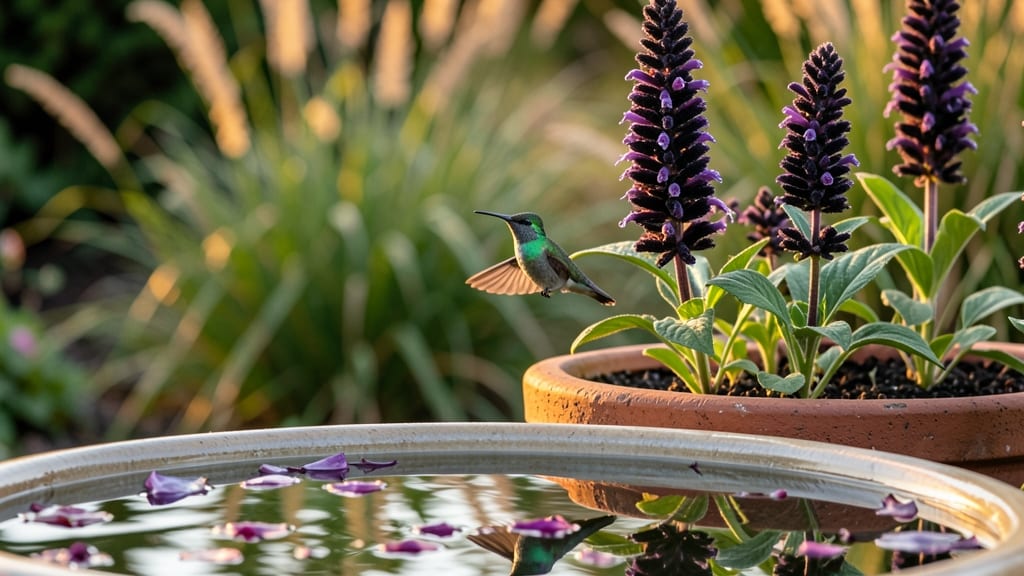
A hummingbird-friendly garden transforms your yard into a whirlwind of iridescent wings and constant motion. ✨ I’ve watched my own backyard go from a quiet corner to a buzzing hub where hummingbirds dart between flowers like tiny acrobats, and it all starts with the right plants and layout.
The key is simple: nectar-rich flowers that bloom in succession, from early spring’s salvia to late-summer bee balm, plus vertical spaces like trellises for trumpet vine. Hummingbirds need perches—think thin branches or feeder poles—and a shallow water source, like a birdbath with rocks for safe landing.
My garden now has these visitors year-round, even in winter when I add a few evergreen shrubs.
You’ll see the magic unfold as ruby-throated hummers hover, sip, and dart between jewel-toned blooms. The garden hums with life—literally—and neighbors start asking how you did it. The secret isn’t complicated: native plants, strategic placement, and a little patience for their favorite feeding spots.
Works in any size space, from city balconies to country acres. Let’s get those wings fluttering in your yard too—here’s how to design it right the first time.
📚 In This Guide
- What you need
- Instructions
- Tips and common mistakes
- Wrapping up and next steps
What you need
- ● Native flowering plants: At least 5-10 varieties (e.g., bee balm, salvia, trumpet vine, columbine, or fuchsia). Aim for 3-5 mature plants per species to ensure continuous blooms.
- ● Pro tip: Choose red, pink, or purple flowers—hummingbirds adore these colors! 🎯
- ● Sugar water feeder: 1-2 feeders (glass or plastic with 1/4-inch to 1/2-inch feeding ports).
- ● White vinegar or boiling water for sterilizing (rinse feeders every 3-5 days).
- ● Soil & fertilizers: Well-draining potting mix (for containers) or native soil amended with compost (for in-ground planting).
- ● Slow-release fertilizer (low in phosphorus, e.g., 10-10-10 or 5-5-5) to promote blooms.
- ● Water source: A shallow birdbath or misting system (hummingbirds love to bathe!).
- ● Basic gardening tools: Trowel, pruners, gloves, and a measuring tape (for spacing plants 12-24 inches apart).
- ● Perches: Add thin branches or wooden dowels near feeders for hummingbirds to rest.
- ● Insect-rearing plants: Grow milkweed, asters, or goldenrod to attract insects (a protein-rich snack for hummingbirds!).
- ● Reflective surfaces: Hang wind chimes or solar-powered ornaments to catch sunlight and attract attention.
- ● Shelter: Install a small hummingbird house (for nesting, if in a safe, predator-free zone).
How to design a hummingbird-friendly garden that thrives year-round
Here’s the method I’ve perfected over years of watching hummingbirds flit through my garden—focused on plants, placement, and seasonal care.
🌱 Step 1: Select Native, Nectar-Rich Plants for All Seasons
Hummingbirds rely on native plants that bloom consecutively from early spring through late fall. I prioritize red tubular flowers—their favorite shape—like bee balm, cardinal flower, and trumpet vine. These plants provide high-energy nectar while supporting local pollinators. Avoid hybrids or non-native species; they often lack the nectar hummingbirds crave.
For year-round interest, layer early bloomers like columbine (spring) with summer favorites such as salvia and fall-blooming asters. Place taller plants like trumpet honeysuckle at the back of borders, where hummingbirds can perch and feed safely. I’ve seen ruby-throated hummingbirds defend bee balm clusters aggressively—proof they love it.
☀️ Step 2: Position Feeders Strategically for Safety and Visibility
Feeders should be 4–10 feet off the ground, placed near shrubs or trees where hummingbirds can dart in and out undetected from predators. I use red feeders (their color preference) filled with a 1:4 sugar-water ratio (never honey or artificial sweeteners—those harm them). Hang feeders 6–10 feet apart to prevent territorial squabbles.
Keep feeders clean by rinsing with hot water and vinegar weekly—moldy nectar spreads deadly fungi. Replace nectar every 3–5 days in hot weather, or when it looks cloudy. I’ve noticed hummingbirds return to the same feeder spots daily, so consistency matters. Place feeders near windows but out of direct flight paths—collisions are a leading cause of injury.
💧 Step 3: Create Water Sources for Drinking and Bathing
Hummingbirds need shallow water sources for drinking and bathing. I add a birdbath with a gentle slope or a dripper system (a small hose with a slow leak) near their feeding areas. The water should be no deeper than 1 inch—deeper containers risk drowning. Place it on a flat rock or platform so they can perch safely while drinking.
Change water daily in hot weather to prevent mosquito breeding. I’ve seen hummingbirds hover just above the water, dip their beaks in, then fly off—it’s fascinating. Avoid windy spots; a sheltered nook near flowers keeps them comfortable. If you’re in a dry climate, mist foliage lightly in the morning to provide extra hydration.
✂️ Step 4: Maintain Year-Round with Pruning and Pest Control
Deadhead spent blooms regularly to encourage continuous flowering. I prune bee balm and salvia after their first flush of blooms to promote a second round. Avoid heavy pruning in late summer—hummingbirds rely on late-season nectar. Use organic pesticides if aphids appear; hummingbirds are sensitive to chemical residues that linger on plants.
Leave some seed heads standing in winter—they provide insect snacks and shelter for overwintering hummingbirds in warmer climates. I’ve spotted Anna’s hummingbirds in my Pacific Northwest garden during mild winters, sipping from dried asters. Mulch around plants with 3–4 inches of organic mulch to protect roots and retain moisture.
🪴 Step 5: Add Perches and Shelter for Resting
Hummingbirds need perching spots to rest and scout for food. I install thin branches or small horizontal perches near feeders and flowering shrubs. A 6–12 inch diameter branch placed 3–5 feet off the ground works well. Avoid thick branches—hummingbirds prefer slender perches where they can grip easily.
Plant dense shrubs like butterfly bush or weigela to provide windbreaks and cover. These also attract insects, which hummingbirds eat for protein. I’ve seen them nap on branches for hours, especially after heavy feeding. If you’re in a cold climate, leave some bare stems standing—they offer roosting spots during chilly nights.
Tips & tricks for perfect hummingbird-friendly garden design
Creating a hummingbird haven takes more than just planting flowers—it's about understanding their behavior and preferences. Here are the key insights I've gathered from years of watching these tiny visitors thrive in my garden.
Native Plants Are Non-Negotiable: In Step 1, when selecting your nectar-rich plants, focus on those native to your region. I've noticed ruby-throated hummingbirds completely ignore non-native species like impatiens, no matter how colorful they are. The key is to prioritize red tubular flowers—bee balm, cardinal flower, and trumpet vine are my top picks because their shape perfectly matches a hummingbird's beak. These plants also support local pollinators, creating a more balanced ecosystem.
Feeder Placement Matters More Than You Think: When positioning feeders in Step 2, remember that hummingbirds feel safest when they can dart in and out unseen. I place mine 4-10 feet off the ground near shrubs or trees, which provides natural cover. The 6-10 feet spacing between feeders prevents territorial squabbles—something I learned the hard way after watching two males chase each other away from a single feeder. Also, keep feeders near windows but out of direct flight paths to prevent collisions, which are unfortunately common.
Water Depth is Critical for Safety: In Step 3, that 1-inch water depth guideline isn't arbitrary—it's a matter of life and death. I've seen hummingbirds attempt to drink from deeper containers and struggle to escape. For a more natural look, create a gentle slope in your birdbath or use a dripper system. The key is to provide safe drinking while mimicking their natural habitat. In hot weather, I change the water daily to prevent mosquito breeding, which can harm these delicate birds.
Seasonal Layering Creates Year-Round Interest: The secret to continuous blooms lies in layering plants with different bloom times, as mentioned in Step 1. I start with early spring bloomers like columbine, then add summer favorites such as salvia, and finish with fall-blooming asters. This creates a nectar buffet that keeps hummingbirds visiting throughout the year. I've seen them return to the same garden year after year because of this consistent food source.
Pro Tips for Hummingbird Friendly Garden
- Creating a hummingbird haven takes more than just planting flowers—it's about understanding their behavior and preferences.
- Native Plants Are Non-Negotiable: In Step 1, when selecting your nectar-rich plants, focus on those native to your region.
- Feeder Placement Matters More Than You Think: When positioning feeders in Step 2, remember that hummingbirds feel safest when they can dart in and out unseen.
Frequently asked questions
Got questions about creating a hummingbird-friendly garden? You’re not alone! Here are some of the most common queries—plus straightforward answers to help you plan like a pro.
When is the best time to plant hummingbird-friendly flowers?
Plant in early spring (after the last frost) for annuals like salvia or fuchsia, or in fall for perennials such as bee balm or columbine. Hummingbirds time their migrations with blooms, so aim for March–May in most regions. Native plants are ideal—they’re already adapted to your climate!
What if I don’t have a lot of space? Can I still attract hummingbirds?
Even a small balcony or windowsill works with container gardening. Use hanging baskets for fuchsia or lobelia, or opt for compact perennials like penstemon. A 10–15 minute feeder refill (2–4 times/week) supplements nectar when flowers are scarce.
Are there plants I should avoid in a hummingbird garden?
Skip heavy pesticides—they harm pollinators! Also avoid invasive species like Lantana (can outcompete natives) or non-native flowers with low nectar, like petunias. Stick to native, tubular blooms (e.g., trumpet vine, cardinal flower) for maximum appeal.
How long does it take to see hummingbirds in my garden?
With consistent nectar sources, hummingbirds may visit within 2–4 weeks—especially if you place feeders near flowers. Timing matters: Start planting in early spring to align with their migration (March–May in most of the U.S.). Patience pays off—once they find your garden, they’ll return yearly!
Do hummingbirds need feeders year-round, or just in summer?
Feeders are critical in early spring (when natural nectar is scarce) and late fall (before migration). In summer, focus on flowers—but keep feeders clean (1:4 sugar-water ratio, no dye) as a backup. Winter? Only in mild climates (e.g., Southern U.S.); hummingbirds often migrate south.
What’s the easiest DIY hummingbird feeder I can make?
Use a clean plastic bottle:
- Cut the top ⅓ off and invert it as a funnel.
- Poke 4–6 small holes in the cap for perches.
- Fill with ¼ cup sugar + 4 cups water; hang near flowers.
- Refill weekly and scrub monthly with vinegar.
Wrapping up and next steps
Creating a hummingbird-friendly garden is a rewarding way to support these tiny, energetic pollinators while adding beauty and life to your outdoor space! 🌸 By focusing on native plants, year-round nectar sources, and simple maintenance, you’ll turn your garden into a buzzing oasis.
The best part? Every step—from planting to watering—is easy and impactful.
Ready to see those iridescent wings flutter by? Start small—even a single red salvia or bee balm can make a difference! Observe, adjust, and enjoy the magic of nature unfolding right outside your window.