Pruning
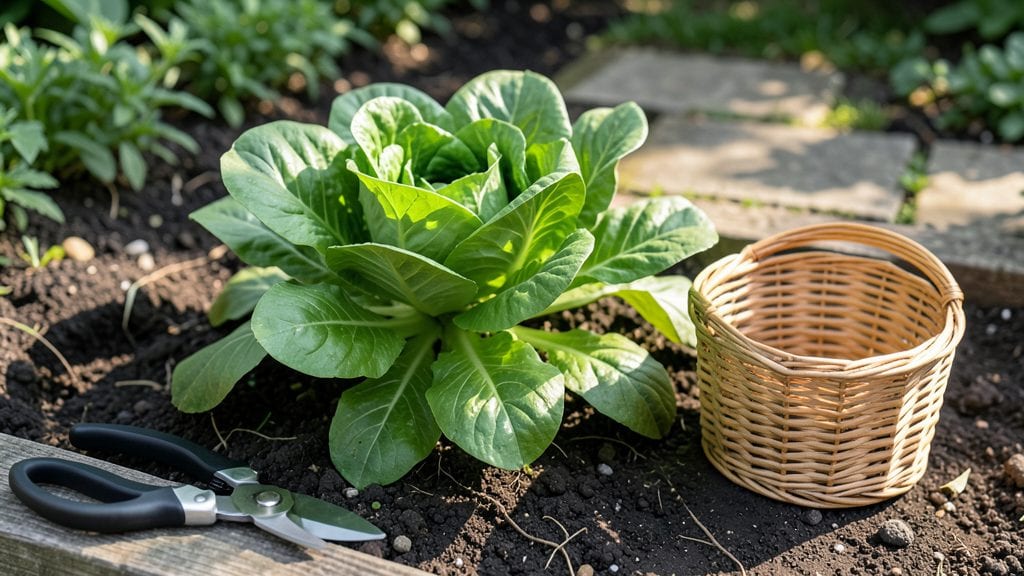
Trimming lettuce from your garden isn’t just about harvesting—it’s the secret to crisp leaves that keep coming back all season long. ✨ I learned the hard way that cutting too much or using the wrong technique can turn a productive plant into a sad, stunted mess.
The right approach means you’ll enjoy fresh greens for weeks, not just a single harvest.
You only need two things: a sharp pair of scissors or pruning shears (never dull blades!) and a clear morning to work. Start by harvesting the outer leaves first, leaving the inner ones to grow.
This method keeps your lettuce healthy and prevents bolting—the dreaded flower spike that turns your salad greens into bitter stalks. Most varieties bounce back beautifully if you leave at least half the plant intact.
After each trim, give your lettuce a little TLC: water at the base (not the leaves) and mulch to retain moisture. Within 5-7 days, you’ll see fresh growth pushing through, and your plant will look fuller than ever.
The key is consistency—regular trims keep your lettuce productive, while neglect leads to tough, bitter leaves. Trust the process, and you’ll have a steady supply of garden-fresh greens all summer.
Pro tip: Avoid cutting into the base of the plant or you’ll stunt regrowth. And if your lettuce starts flowering? It’s time to pull it and replant. This method works for butterhead, romaine, and loose-leaf varieties—just adjust how aggressively you trim based on the type. Happy harvesting!
📚 In This Guide
- What you need
- Instructions
- Tips and common mistakes
- Wrapping up and next steps
What you need
- ● Sharp pruning shears or garden scissors: Opt for bypass pruners (not anvil-style) with 5-inch blades for precision. Example brands: Felco, Fiskars, or Gonicc.
- ● Clean, sharp kitchen knife or razor blade: A serrated or stainless steel blade (e.g., X-Acto knife) for delicate trimming. Disinfect with rubbing alcohol before use.
- ○ Gloves (optional but recommended): Lightweight, nitrile-coated gloves to protect hands from thorns (like in romaine) and dirt.
- ● Bucket or large bowl: A 5-gallon capacity for collecting trimmed leaves or compost. Tip: Use a shallow container to avoid crushing leaves.
- ● Water spray bottle: A 16-ounce misting bottle to keep leaves hydrated while trimming.
- ● Compost bin or bag: For organic waste. Pro tip: Save outer leaves for compost—they’re nutrient-rich!
- ● Pruning saw: For large, woody lettuce bases (like mature romaine). Look for a fine-tooth blade (e.g., Bahco).
- ● Hose with gentle spray nozzle: To rinse off dirt before trimming. Bonus: Use lukewarm water to soften stubborn stems.
- ● Labeling tags: Small wooden or metal plant markers to track trimmed varieties (e.g., butterhead vs. leaf lettuce).
- ● Salad spinner or towel: For drying leaves post-trim. Quick tip: A clean kitchen towel works in a pinch!
- ● Sunscreen (if working outdoors): SPF 30+ to protect exposed skin during peak hours.
- ● Mature lettuce plants: Harvest when 30-50% of leaves are 4-6 inches tall (varies by variety). Example: Butterhead: 8-10 weeks; Romaine: 6-8 weeks.
- ● Dry, overcast day or early morning: Trimming in direct sun causes wilting. Best time: 6 AM–9 AM or 4 PM–sunset.
- ● Clear weather forecast: Avoid trimming 24 hours before rain to prevent rot.
Step-by-Step guide to trimming lettuce for continuous harvest
Here’s how to keep your lettuce thriving with clean cuts that encourage fresh regrowth.
✂️ Step 1: Choose the Right Time for Trimming
Wait until your lettuce plants have grown at least 4-6 inches tall and developed 3-4 mature outer leaves. This ensures the plant has enough energy stored to regrow after cutting. Early trimming stresses young plants and can stunt future harvests. I always check the weather first—trim on a cool, cloudy morning to reduce stress on the plant.
Look for deep green, crisp outer leaves—these are ready for harvest. Avoid cutting into the small, tender inner leaves unless you’re harvesting the whole plant. The inner leaves will develop into your next batch of mature leaves.
✂️ Step 2: Use the Right Tools for Clean Cuts
Grab your sharp pruning shears or clean kitchen scissors (sterilized with rubbing alcohol). Dull blades crush stems and invite rot or disease. I like to wipe the blades with a damp cloth before cutting to remove any debris from previous trims.
Position the shears at a 45-degree angle, about ½ inch above the next set of leaves. This angle helps water run off the cut stem, reducing rot risk. Avoid tearing leaves—this damages the plant and slows regrowth.
🌿 Step 3: Harvest Outer Leaves Strategically
Snip only the outer leaves, leaving the inner rosette intact. This is key for regrowth—if you cut too deeply, you’ll kill the plant’s growing point. I like to leave at least 2-3 inches of the inner leaves to ensure the plant keeps producing.
Watch for yellowing or wilted leaves—these are signs of stress or bolting (going to seed). Remove them immediately, as they drain energy from the plant. Healthy leaves should feel crisp and firm to the touch.
💧 Step 4: Water and Fertilize After Trimming
Give the plant a deep watering right after trimming to help it recover. The roots need moisture to support new growth, especially if you’ve removed a significant portion of the foliage. Water at the base of the plant, not the leaves, to prevent fungal issues.
Add a balanced liquid fertilizer (like 10-10-10) diluted to half strength. This gives the plant a quick nutrient boost to compensate for the leaves you’ve harvested. I fertilize every 2-3 weeks during the growing season to keep the soil rich.
☀️ Step 5: Monitor for Regrowth and Repeat
Within 7-10 days, you should see new leaves emerging from the center of the plant. If regrowth is slow, check for adequate sunlight—lettuce needs 4-6 hours of sun daily. If your plants are leggy or pale, they need more light or a move to a sunnier spot.
Repeat the trimming process every 2-3 weeks for continuous harvests. Over time, you’ll learn which varieties regrow best—some, like buttercrunch or romaine, bounce back reliably, while others, like looseleaf, may need more frequent trims.
Tips & tricks for perfect lettuce trimming
These simple strategies will help you maximize your lettuce harvest while keeping plants healthy and productive for weeks to come.
Timing is Everything: The 4-6 hour sunlight window mentioned is crucial, but don't forget to time your trimming right too. I always harvest on a cool morning after dew has dried but before midday heat sets in. This minimizes stress on the plant and gives it time to recover before the hottest part of the day. If you must trim later, do it in the late afternoon to prevent wilting.
Tool Technique: That 45-degree angle in Step 2 isn't just about aesthetics—it's about plant health. The angled cut creates a larger surface area for water to evaporate, reducing rot risk. For extra protection, I dip my sterilized scissors in rubbing alcohol between plants to prevent spreading any potential diseases. And here's what nobody tells you—if you're using kitchen scissors, always cut away from your body to avoid accidental nicks!
Regrowth Strategy: Leaving those 2-3 inches of inner leaves gives your lettuce the best chance to bounce back, but there's more to it. I've found that cutting slightly higher (about ½ inch above the next set) on the first few harvests encourages bushier growth. After a few successful trims, you can gradually lower your cuts to harvest more leaves while still maintaining regrowth. Think of it like training your plants!
Variety Matters: Not all lettuce responds the same way to trimming. Buttercrunch and romaine varieties tend to regrow reliably, while looseleaf types might need more frequent, lighter trims. I keep a small notebook by my garden to track which varieties perform best in my specific growing conditions. This helps me plan future plantings based on what actually works in my garden.
Pro Tips for Trim Lettuce From Garden
- These simple strategies will help you maximize your lettuce harvest while keeping plants healthy and productive for weeks to come.
- Timing is Everything: The 4-6 hour sunlight window mentioned is crucial, but don't forget to time your trimming right too.
- Tool Technique: That 45-degree angle in Step 2 isn't just about aesthetics—it's about plant health.
Frequently asked questions
Got questions about trimming lettuce like a pro? Here are some of the most common ones—plus quick, actionable answers to keep your garden thriving!
When is the best time to trim lettuce for regrowth?
The ideal time to trim lettuce is when the outer leaves are large enough to harvest (about 4–6 inches long) but before the inner leaves get too tough. Early morning works best—leaves are crisp and hydrated. Avoid trimming in extreme heat or cold to prevent stress on the plant. Pro tip: If your lettuce bolts (sends up a flower stalk), it’s too late for regrowth—harvest it all instead!
How close to the base should I cut lettuce leaves?
Leave about 1–2 inches of growth above the soil when trimming. Cutting too close can expose the stem to rot or pests, while leaving too much may encourage legginess. Use clean, sharp scissors or shears to make a clean cut at a 45-degree angle—this prevents water from pooling and keeps the plant healthy.
Can I still harvest lettuce if it’s bolted or flowering?
Yes! While bolting signals the end of regrowth, you can still harvest the lower, tender leaves before they turn bitter. Avoid the flower stalks—they’re tough and less palatable. For bitter varieties (like romaine), trim leaves as soon as they’re edible. For milder types (like butterhead), you might get a few more harvests before the plant fully flowers.
How often should I trim lettuce for continuous harvest?
Trim lettuce every 1–2 weeks during peak growth (spring/fall) to encourage regrowth. In hot summers, slow down trimming—lettuce grows slower and may bolt faster. Pro tip: If your lettuce grows slowly, check for pests, poor soil, or overcrowding. A little shade cloth can also help extend the harvest season!
What should I do if my lettuce turns yellow or wilted after trimming?
Yellowing or wilting can happen if the plant is underwatered, overwatered, or stressed. Check the soil moisture—lettuce likes consistently damp (not soggy) soil. If leaves yellow at the base, it may be root rot (from overwatering) or nutrient deficiency (add compost or balanced fertilizer). Trim less aggressively next time to let the plant recover.
Can I use dull scissors to trim lettuce?
No!
Dull blades crush leaves, causing browning and inviting pests. Always use sharp, clean scissors or pruners to make precise cuts. Rinse blades with water and wipe with rubbing alcohol between uses to prevent disease spread. Bonus: A serrated knife works too—just sterilize it first!
Wrapping up and next steps
Trimming your garden lettuce isn’t just about harvesting—it’s about promoting healthier plants and bountiful regrowth. With the right tools, timing, and technique, you’ll enjoy crisp, fresh leaves while keeping your garden thriving.
Now that you’re armed with these tips, there’s no better time to step into your garden and start snipping!
🌱 Your Next Step: Experiment & Enjoy!
Try different trimming methods to see what works best for your lettuce variety. Once you’ve mastered the cut, share your harvest in salads, sandwiches, or even homemade wraps. Happy gardening—and may your lettuce always stay fresh and crisp! 🥗✨