
Picking
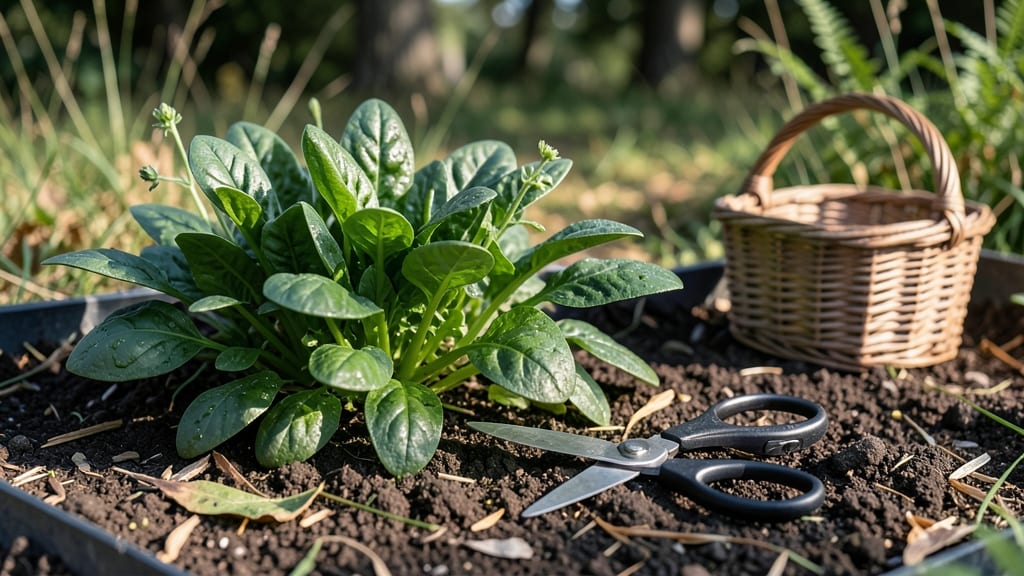
Learning how to harvest spinach from the garden leaf by leaf keeps your plants producing for months—I learned the hard way that cutting whole plants leaves you with bolted stems and bitter leaves, but the right technique turns a single plant into a steady harvest. machine.
The secret is timing: pick outer leaves when they're 3-4 inches long, leaving the inner leaves to grow. This way, you get tender greens all season without sacrificing future harvests.
You only need two things: clean scissors or fingers and a basket to hold your harvest. Avoid pulling leaves by hand—it damages the plant and can uproot smaller ones. Instead, snip leaves at the base with sharp scissors or pinch them off between your thumb and forefinger.
This method keeps the plant healthy and encourages new growth from the center. Most plants bounce back within a week, ready for another round.
What you'll end up with is a never-ending supply of fresh, tender spinach—no bitter stems or woody centers. Store harvested leaves in a damp paper towel in the fridge for up to a week, or wash and dry them immediately for salads.
The key to maximizing yield is consistency: harvest every 7-10 days during active growth, and your plants will reward you with lush regrowth for weeks.
This method works for both baby leaf varieties and mature spinach, and it's perfect for small gardens or containers. The only rule is to never take more than one-third of the plant at once—otherwise, you'll trigger bolting and ruin your harvest. Now let's get those leaves growing back strong!
📚 In This Guide
- What you need
- Instructions
- Tips and common mistakes
- Wrapping up and next steps
What you need
- ● Sharp pruning shears or garden scissors – Choose a pair with stainless steel blades (4-6 inch length) for clean cuts and hygiene. Pro tip: Sanitize with rubbing alcohol before use!
- ○ Gloves (optional but recommended) – Wear nitrile or cotton gloves to protect your hands from thorns (if harvesting wild spinach) or dirt.
- ● Harvest basket or bucket – A 1-2 gallon capacity with a handle for easy transport. Line it with a clean towel or mesh bag to prevent bruising.
- ○ Water spray bottle (8-16 oz) – For misting leaves to keep them fresh during harvest. Optional: Add a few drops of lemon juice to deter pests.
- ● Kitchen knife or paring knife – A small, sharp knife (3-inch blade) for trimming stems if needed.
- ● Plastic or cardboard harvest tray – A shallow tray (12x18 inches) to sort and prep spinach before storage.
- ● Mature spinach plants – Harvest when leaves are 4-6 inches long and at least 3-4 inches wide, typically 30-50 days after planting (varies by variety).
- ● Cool morning or evening – Avoid harvesting in peak sunlight (10 AM–4 PM) to prevent wilting.
- ● Clean workspace – Lay down a tarp or old sheet under plants to collect fallen leaves easily.
- ● Food-safe sanitizer spray – For disinfecting tools between harvests (e.g., vinegar-water mix or commercial sanitizer).
- ● Small cooler or insulated bag – If transporting spinach long distances, keep it chilled (32–40°F) to extend freshness.
- ● Labeling tags – If harvesting multiple varieties, use waterproof tags to mark types and harvest dates.
Step-by-step instructions for harvesting spinach from the garden
Here's the straightforward method I use to keep my spinach thriving while bringing in fresh leaves all season.
Identify the Right Time for Harvest
Spinach is ready to harvest when the leaves reach about 3-4 inches tall—this is when they're tender and packed with flavor. I like to check plants in the morning after the dew has dried, as the leaves will be crisp and easy to handle. Avoid harvesting after heavy rain, because the soil can be too wet and may damage the roots when you pull.
Look for dark green, vibrant leaves with no signs of yellowing or wilting. If you see flowers starting to form, it's time to harvest everything soon—flowering means the plant is shifting its energy from leaves to seeds, and the leaves will turn bitter. Cutting back the flowers also keeps the plant producing new leaves.
Choose the Harvesting Method
For continuous harvests, I use the leaf-by-leaf method—this lets the plant keep growing while you pick. Simply grasp the outer leaves near the base and give a gentle twist or snip with clean scissors. Avoid pulling leaves straight up, as this can damage the plant's center and slow future growth. I always leave the inner leaves untouched so the plant can keep producing.
If your spinach is mature and you want a full harvest, you can cut the entire plant about 1-2 inches above the soil. This encourages a second flush of growth, especially if the weather is still cool. Just be sure to leave the roots intact—spinach often regrows from the base if you leave enough of the plant behind.
Harvest Properly to Encourage Regrowth
When harvesting individual leaves, I make sure to cut or twist cleanly—no tearing. A sharp pair of scissors or a clean knife makes all the difference in keeping the plant healthy. If you're twisting leaves by hand, do it slowly to avoid breaking the stem. After harvesting, I always rinse the leaves under cool water to remove any dirt or debris.
Here's the thing—don’t harvest more than one-third of the plant at a time. Over-harvesting stresses the spinach and can lead to bolted (flowering) growth, especially in warmer weather. If you're growing spinach in hotter months, harvest more frequently but in smaller amounts to keep the plant happy and productive.
Store and Use Fresh Spinach
Freshly harvested spinach keeps best in the fridge. I wrap the leaves loosely in a damp paper towel and place them in a plastic bag with a few small holes for airflow. This keeps them crisp for 5-7 days. For longer storage, you can blanch and freeze the leaves—just plunge them in boiling water for 30 seconds, then transfer to ice water before freezing in airtight containers.
Spinach is at its peak flavor when used fresh, so I like to incorporate it into salads, sautés, or smoothies as soon as possible. If you notice the leaves starting to yellow or wilt after a few days, it’s time to use them up—don’t wait until they spoil. The fresher the spinach, the more vibrant and nutrient-packed it will be.
Maintain the Plant for Continuous Harvests
After harvesting, I always water the spinach deeply to encourage new growth. Spinach thrives in cool weather and may slow down or bolt in temperatures above 75°F, so I often grow it in early spring or fall. If you're growing spinach in summer, focus on harvesting frequently and providing partial shade to keep the plant cool.
Fertilize lightly with a balanced, water-soluble fertilizer every 3-4 weeks to keep the plant producing. I avoid heavy-handed fertilizing, as spinach is a leafy green and doesn’t need a lot of extra nutrients. Instead, I focus on consistent watering and mulching to keep the soil moist and weed-free. This ensures a steady supply of fresh spinach all season long.
Tips & tricks for perfect spinach harvesting
A few simple tricks will help you keep your spinach thriving and producing fresh leaves all season long.
Timing is Everything: The morning is the best time to harvest spinach because the leaves are crisp and full of moisture. I always check my plants right after the dew has dried but before the sun gets too intense. Harvesting in the morning also gives you the freshest leaves for cooking or salads later that day. Avoid harvesting after rain—wet soil can damage the roots and make the leaves mushy.
Leaf Selection Matters: Focus on harvesting the outer leaves first, leaving the inner leaves to keep growing. The outer leaves are larger and more mature, so they're ready to pick while the inner leaves stay tender and continue producing. If you notice any yellowing or wilted leaves, harvest those first—they won't recover and may affect the plant's overall health. Always look for dark green, vibrant leaves with no signs of damage or disease.
Harvesting Technique: When using the leaf-by-leaf method, I always twist or snip the leaves near the base rather than pulling them straight up. This prevents damage to the plant's center and encourages new growth. If you're using scissors, make sure they're clean and sharp to avoid tearing the leaves. For a full harvest, cut the entire plant about 1-2 inches above the soil, but leave the roots intact to encourage regrowth.
Seasonal Considerations: Spinach thrives in cooler weather, so plan your harvests around early spring or fall. If you're growing spinach in hotter months, focus on harvesting more frequently but in smaller amounts. Temperatures above 75°F can cause spinach to bolt, or flower, which turns the leaves bitter. Providing partial shade during the hottest part of the day can help keep your spinach productive and flavorful.
Pro Tips for Harvest Spinach From The Garden
- A few simple tricks will help you keep your spinach thriving and producing fresh leaves all season long.
- Timing is Everything: The morning is the best time to harvest spinach because the leaves are crisp and full of moisture.
- Leaf Selection Matters: Focus on harvesting the outer leaves first, leaving the inner leaves to keep growing.
Frequently asked questions
Got questions about harvesting spinach? You’re not alone! Here are some of the most common concerns—plus quick, practical answers to keep your harvest thriving.
When is the best time to harvest spinach?
Harvest spinach in the morning after the dew dries but before the heat of the day sets in. Young leaves (about 4–6 inches tall) are tender and packed with flavor. For baby spinach, you can start picking in as little as 30 days! Avoid harvesting during extreme heat or frost, as this can stress the plant.
How often should I harvest spinach?
For a continuous harvest, pick outer leaves every 1–2 weeks—never more than one-third of the plant at a time. This encourages regrowth and prevents bolting (flowering). If you’re growing spinach for a quick harvest, you can cut the whole plant at once when it reaches maturity, but this ends the season for that batch.
Can I harvest spinach and still get more growth?
Spinach is a cut-and-come-again crop. By harvesting outer leaves selectively, you allow the inner leaves to keep growing. Just leave the center crown intact, and your spinach plant will reward you with weeks of fresh harvests. Avoid cutting into the growing point (the center) unless you’re ready to pull the whole plant.
What should I do if my spinach bolts or goes to seed?
Bolting (premature flowering) happens when spinach experiences heat stress, drought, or long daylight hours. If this occurs, your leaves may turn bitter. To prevent it, plant spinach in early spring or fall, keep soil moist, and choose heat-tolerant varieties like ‘Tyee’ or ‘Space.’ Once bolted, you can still harvest the leaves for cooking, but yield will decline.
How do I store freshly harvested spinach?
Store spinach in the crisper drawer of your fridge, wrapped in a damp paper towel or in a perforated plastic bag. For longer storage (up to 5 days), blanch leaves in boiling water for 30 seconds, then shock in ice water before freezing. Always harvest dry leaves to avoid mold—shake off excess water before storing!
Wrapping up and next steps
Harvesting spinach from your garden is a rewarding experience that ensures fresh, flavorful greens straight from your backyard! 🌱 By following the right techniques—like picking outer leaves first, using clean tools, and harvesting regularly—you’ll maximize yield and keep your plants thriving.
Whether you’re a beginner or a seasoned gardener, these steps make the process simple and enjoyable.
Now that you’re ready to harvest, why not take the next step? Try experimenting with recipes—sautéed spinach with garlic, blended into smoothies, or fresh in salads—to savor your homegrown bounty! Happy growing! 🌿