How To
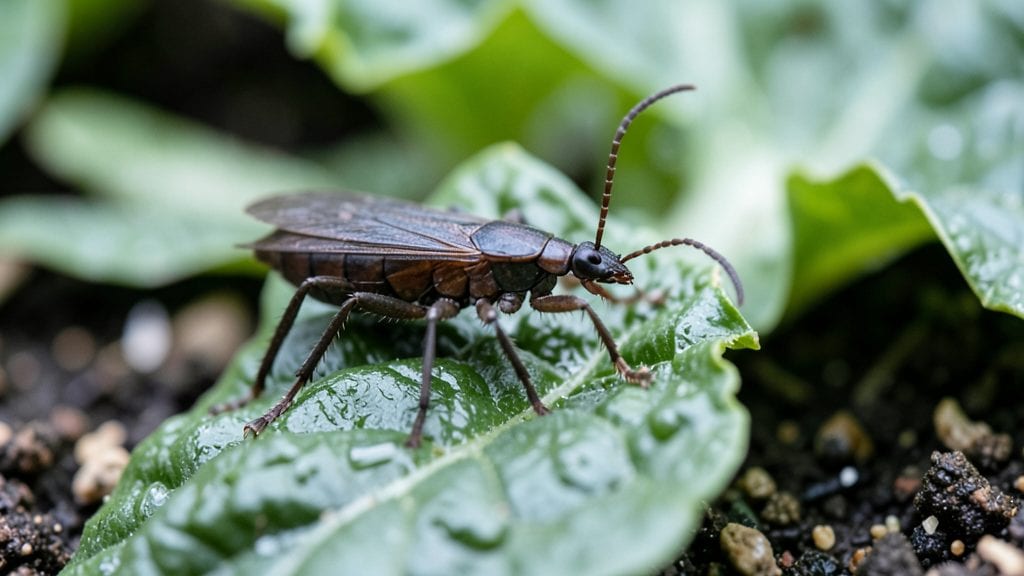
Getting earwigs out of your garden starts with understanding why they’re there—and trust me, I’ve chased these armored critters out of my own beds more times than I’d like to admit. 🌱 The key isn’t just trapping them but creating an environment where they’d rather take their pincers elsewhere.
Most gardeners grab the first spray they see, but that’s like calling in the cavalry for a skirmish—overkill when a few simple tricks work just as well.
These nocturnal pests love damp, dark spots, so your first move is to flip their favorite hiding places. Roll up cardboard traps in damp areas, place them near plants, and check them daily—earwigs will crawl inside faster than you can say “pincer pinch.”
Diatomaceous earth around plant bases also works like a natural barrier, but only if it’s dry (wet DE loses its bite). The best part? These methods don’t harm your plants, your pets, or the good bugs keeping your garden in balance.
What you’ll end up with is a garden where earwigs are just passing through, not setting up camp. Your veggies stay crisp, your flowers bloom undisturbed, and you avoid those telltale chewed leaves that scream “intruder alert.”
The secret’s in the details—like checking traps at dusk when earwigs are most active or keeping mulch from piling too thick near your foundation.
This approach works year-round, whether you’re dealing with a spring infestation or last summer’s holdouts. No harsh chemicals, no weekly battles—just a few smart tweaks that make your garden the last place earwigs want to hang out. Ready to reclaim your plot?
What Draws Earwigs to Your Garden
If your garden has suddenly become a hotspot for earwigs, it’s not just bad luck—it’s a mix of environmental cues and habitat preferences these critters can’t resist. Understanding why they’re showing up in the first place is the first step to kicking them out for good.
Let’s break down the science behind their uninvited visits.
🌱 Moisture-Rich Soil & Decaying Organic Matter
Earwigs thrive in damp, dark environments, and your garden might be serving up the perfect buffet. These insects are obligate humidivores, meaning they require high moisture levels to survive. Here’s why your soil could be their dream home:
- Overwatered or poorly drained soil: Earwigs seek out areas where water lingers, especially after rain or over-irrigation. If your garden retains moisture (like in shady, mulch-heavy spots), it signals to them: “Move in here!”
- Compost piles and leaf litter: Decaying plant material—whether it’s fallen leaves, rotting wood, or compost—creates the ideal microclimate. Earwigs use these spots to hide during the day and feed on fungi, bacteria, and small insects at night.
- Thick mulch layers: While mulch is great for plants, it can also trap moisture and create a cozy, humid shelter. If your mulch is too thick (over 2–3 inches), it becomes an earwig magnet.
💡 Pro Tip: Earwigs avoid dry conditions. If your garden stays bone-dry, they’ll seek greener (or wetter) pastures. But if it’s consistently moist? Congrats, you’ve built them a five-star resort.
🌙 Nighttime Hunting & Light Attraction
Earwigs are nocturnal predators, meaning they’re most active after dark. But their behavior isn’t just about avoiding predators—it’s also about light. Here’s the science:
- Artificial lights confuse them: Earwigs are attracted to light sources (like porch lights or streetlamps), a phenomenon called positive phototaxis. They’ll cluster near these lights, thinking it’s a safe place to hide—only to end up trapped in your home or garden tools.
- Dark, sheltered spots: During the day, they retreat to dark, moist hiding places, such as under rocks, boards, or dense foliage. If your garden has lots of these spots, it’s an all-you-can-eat buffet for earwigs.
- Soft plant tissue: At night, they chew on young leaves, flowers, and even fruits, especially in tender, succulent plants like lettuce, roses, or strawberries. If your garden has these, it’s like ringing the dinner bell.
🌡️ Fun Fact: Earwigs can’t survive in freezing temps, so they seek out warm, sheltered microclimates—like under mulch or in dense plant beds—during cooler months.
🌿 Lack of Natural Predators & Urbanization
In wild ecosystems, earwigs are kept in check by predators like birds, spiders, toads, and ground beetles. But in many gardens—especially in urban or suburban areas—the balance is tipped in their favor. Here’s why:
- Fewer birds and toads: If your garden lacks birdhouses, toad habitats, or diverse plant life that attracts predators, earwigs reproduce unchecked. A single female can lay 50–100 eggs in a season!
- Monoculture planting: Gardens with one dominant plant type (like a vegetable patch or flower bed) offer earwigs an unlimited food source with little competition. Diverse gardens, on the other hand, disrupt their feeding patterns.
- Pesticide overuse: Broad-spectrum pesticides can kill earwig predators (like spiders and beetles) while leaving earwigs largely untouched. This creates a vacuum effect, where earwig populations explode without natural controls.
✨ Eco Tip: Encourage predators by adding birdbaths, rock piles, and native plants. Even a small toad population can devour hundreds of earwigs in a season!
🏡 Human Habits That Invite Them In
Sometimes, earwigs hitch a ride into your garden thanks to human activities. Here’s how:
- Firewood and landscaping debris: Earwigs often hide in firewood, bark mulch, or potted plants from nurseries. Bringing these into your yard can introduce new earwig colonies.
- Overhead irrigation: Sprinklers that wet foliage at night create a moist, earwig-friendly environment. They’ll climb up plants to reach damp leaves, then move into your garden beds.
- Poor drainage near structures: If your garden borders a foundation, patio, or shed with poor drainage, earwigs will migrate indoors in search of moisture—ending up in your basement, crawl space, or even laundry.
🔥 Warning: Earwigs don’t just stay in the garden—they’ll hitchhike into your home if given the chance. That’s why they’re often found in bathrooms, kitchens, or basements.
Quick Fixes for Earwig Havoc
Earwigs might seem like a minor nuisance, but their presence in your garden can damage plants, disturb soil, and even sneak into your home. The good news? You don’t need harsh chemicals to tackle them.
Below are practical, natural solutions tailored to the most common causes of earwig infestations—plus tips to keep them away for good.
Earwigs thrive in damp, shaded areas where they can hide under debris, mulch, or dense foliage. If your garden has too much moisture or clutter, they’ll stick around like uninvited guests.
How to solve it:
- 🔥 Reduce Standing Water – Earwigs love soggy soil. Improve drainage by:
- Raking leaves and debris away from plant bases.
- Watering in the early morning (so soil dries faster).
- Avoiding over-mulching—keep mulch 2–3 inches thick and fluffy.
- 🍳 Create Dry Zones – Spread gravel, sand, or coarse bark around plants to deter them.
- 👨🍳 Flip Over Pots & Boards – Earwigs hide under flat surfaces. Store them upside down or on bricks to block their hideouts.
💡 Prevention Pro Tip: Install soaker hoses instead of sprinklers—they deliver water directly to roots, reducing excess moisture where earwigs lurk.
Earwigs chew leaves, flowers, and fruit, turning your garden into a buffet. If they’re targeting specific plants, they’re likely nesting nearby.
How to solve it:
- 🥘 Protect Vulnerable Plants – Wrap fine netting around:
- Lettuce, strawberries, and young seedlings.
- Delicate flowers (like roses or dahlias).
- 🔪 Prune & Clean Up – Remove:
- Dead leaves, rotting wood, and thick mulch piles.
- Weeds (they provide earwig highways).
- ⏰ Nighttime Patrol – Earwigs are most active after dark. Shake plants gently over a bucket of soapy water (1 tbsp dish soap per gallon) to drown them.
🌡️ Heat Them Out Earwigs hate heat. Use black plastic mulch or row covers to raise soil temps—this makes their hiding spots unbearable.
If earwigs are sneaking indoors, they’re likely seeking shelter in damp basements, bathrooms, or under sinks.
How to solve it:
- 🚪 Seal Gaps – Check for cracks in:
- Window frames, doors, and foundation gaps.
- Vents and pipes (use caulk or weatherstripping).
- 🧹 Dry Out Entry Points – Use a dehumidifier in basements or bathrooms.
- 🎯 Set Up Barriers –
- Place diatomaceous earth (food-grade) in a thin line along doorways (earwigs avoid it).
- Use sticky traps near windowsills to catch stragglers.
✨ Natural Repellent Spray Mix 1 part peppermint oil + 1 part water in a spray bottle. Lightly mist plant leaves, door frames, and windowsills—earwigs detest the scent.
If earwigs are already in your garden, lure and eliminate them without harming beneficial insects.
DIY Earwig Traps (That Work!)
| Trap Type | How to Make It | Where to Place |
|---|---|---|
| Beer Trap | Bury a shallow container (like a yogurt cup) filled with beer (earwigs drown in it). | Near infested plants, under mulch. |
| Moisture Trap | Fill a jar with water + a few drops of dish soap. | Under plant pots or in shaded areas. |
| Cardboard Roll | Roll up corrugated cardboard, secure with tape, and place in garden. Check daily. | Along garden edges or under shrubs. |
💡 Pro Tip:
- Check traps every 2–3 days—earwigs multiply fast!
- Dispose of trapped earwigs by flushing them (or releasing them far from your garden).
To keep earwigs from coming back: ✅ Keep grass short (earwigs hide in tall grass). ✅ Rotate crops (disrupts their life cycle). ✅ Encourage predators – Ladybugs, birds, and spiders eat earwigs.
Plant dill, fennel, or marigolds to attract them. ✅ Avoid night watering (earwigs are drawn to damp soil after dark).
By tackling moisture, hiding spots, and entry points, you’ll send earwigs packing—for good. No chemicals, no fuss—just a garden that stays pest-free! 🚀
Frequently asked questions
Why do earwigs keep coming back even after I’ve trapped them?
Earwigs are resilient because they thrive in damp, shaded areas. If you don’t address their habitat—like reducing mulch thickness or improving drainage—they’ll just return. Focus on drying out their favorite spots (like under boards or thick mulch) and sealing entry points to your home. They’re also great hitchhikers, so check firewood or new plants before bringing them near your garden.
Are earwigs harmful to my plants or vegetables?
While they won’t kill your plants, earwigs can cause noticeable damage by chewing young leaves, flowers, and tender fruits like strawberries. They prefer soft, succulent growth, so seedlings and lettuce are prime targets. The good news? Their damage is usually cosmetic, and they won’t destroy your harvest—just keep an eye on vulnerable plants and protect them with netting if needed.
Can I use diatomaceous earth around my veggie garden?
Yes, but only if it’s food-grade diatomaceous earth and kept dry. Sprinkle a thin layer (1/4 inch) around plant bases and watering areas—it’ll dehydrate earwigs that crawl over it. Just avoid applying it directly to leaves or edible parts, and reapply after rain. It’s completely safe for plants and pets once settled.
Will beer traps actually work, or is that just a myth?
Beer traps do work—earwigs are attracted to the yeast and fermentation smells, then drown in the liquid. For best results, use a shallow container (like a plastic cup) buried so the rim is level with the soil. Check traps daily and replace the beer every 2–3 days (it loses effectiveness as it sours). This method is especially effective near mulch piles or dense plantings where earwigs hide.
How do I keep earwigs from moving into my house?
Seal cracks in your foundation, windows, and doors with caulk or weatherstripping—earwigs squeeze through tiny gaps. Reduce indoor humidity with a dehumidifier, especially in basements and bathrooms, and keep outdoor lights off at night (they’re drawn to light). If you spot them indoors, place sticky traps near entry points or sprinkle diatomaceous earth along doorways to create a natural barrier.