Advice
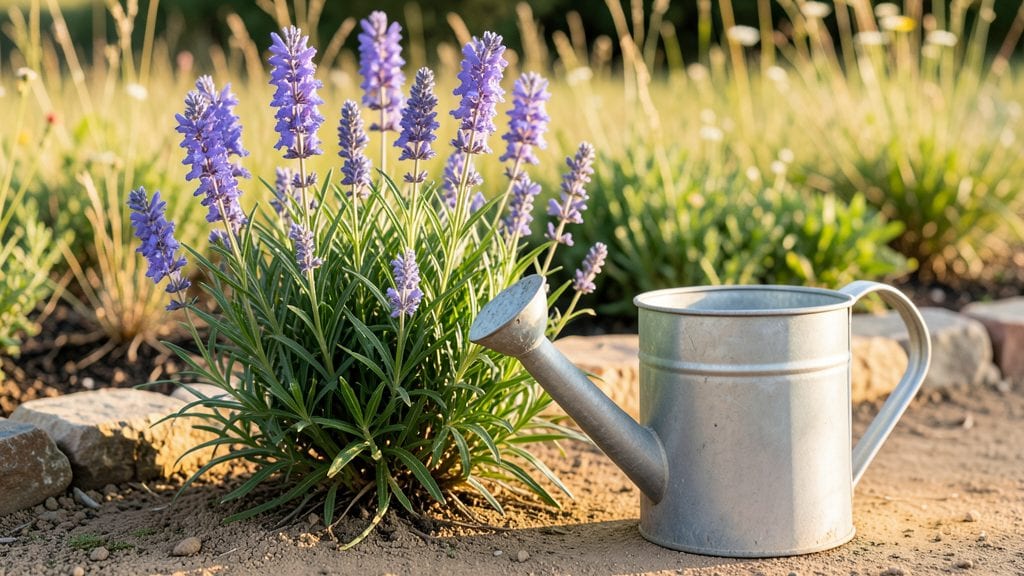
Gardening at high elevations means working with shorter seasons and thinner air—but it’s where some of the hardiest, most rewarding plants thrive. ✨ I’ve grown thriving gardens at 7,000 feet, and the key isn’t fighting the altitude; it’s working with it.
Cold-hardy varieties, soil tweaks, and smart watering turn challenges into opportunities for stunning landscapes and bountiful harvests.
The biggest adjustments start with soil—amend it with compost and organic matter to improve water retention, since high-altitude soil drains faster and holds less moisture. Choose plants bred for cooler climates, like alpine strawberries, hardy kale, or mountain-friendly perennials that bounce back from frost.
Even annuals like snap peas and radishes grow faster in the crisp air, giving you harvests weeks before lowland gardens.
You’ll end up with gardens that stay lush through late fall, resist common pests, and produce crops that taste sweeter from the slow, cool growing season. The trade-off? Less heat stress means you can grow vegetables like broccoli and cabbage all the way into winter.
With the right approach, high elevation gardening becomes a game-changer for year-round greenery and harvests.
Works for everything from alpine meadows to suburban yards at 5,000 feet or higher. The same principles apply whether you’re planting a vegetable patch, a pollinator-friendly border, or a low-maintenance landscape. Let’s get those plants growing strong at altitude!
📚 In This Guide
- What you need
- Instructions
- Tips and common mistakes
- Wrapping up and next steps
What you need
- ● High-quality soil: Use well-draining, organic-rich soil (e.g., compost-amended loam). Aim for 3–4 cubic yards per 100 sq. ft. Consider adding perlite or vermiculite (10–20% by volume) to improve aeration.
- ● Cold-hardy plant varieties: Choose native or alpine-adapted plants (e.g., potatoes, barley, hardy perennials like lavender or yarrow). Research USDA Hardiness Zones 3–5 for your elevation.
- ● Row covers or frost blankets: 2–4 oz. per sq. ft. (lightweight fabric) to extend the growing season and protect tender plants.
- ● Drip irrigation system: 1/4" tubing with emitters (adjustable for high-flow needs). Elevation gardens often require higher water pressure—opt for a pressure-compensating system.
- ○ Mulch: 2–3 inches of straw or wood chips to retain moisture and insulate roots. Black plastic mulch (for heat-loving crops) is optional.
- ● Windbreaks: Bamboo stakes, trellises, or tall plants (e.g., sunflowers) to shield gardens from harsh winds.
- ● pH testing kit: High elevations often have alkaline soil (pH 7.5+). Adjust with sulfur or peat moss if needed.
- ● Shade cloth (30–50% coverage): Protects plants from intense UV radiation at high altitudes.
- ● Greenhouse or cold frame: Extends the season by 4–6 weeks in extreme elevations.
- ● Soil warming mats: 120–140°F output for early spring planting.
- ● Oxygen boosters (e.g., hydrogen peroxide in water): 1 tsp per gallon to aid root respiration in thin air.
- ● Elevation-specific fertilizers: Look for slow-release, high-nitrogen blends (e.g., 10-10-10 or 12-12-17) to compensate for slower nutrient uptake.
- ● Weather monitoring tools: A digital thermometer/hygrometer to track rapid temperature swings.
Step-by-step guide to thriving high elevation gardens
Altitude changes everything—here’s how to adapt your gardening approach for cooler climates and shorter growing seasons.
🌱 Step 1: Select Cold-Hardy, Fast-Maturing Varieties
High elevation gardens demand plants bred for shorter growing seasons and cooler temperatures. Choose varieties labeled for your specific elevation range—500-700 series seeds are ideal for 5,000-7,000 feet. Look for terms like "early maturing" or "cold-tolerant" on seed packets, as these traits directly correlate with success at altitude.
I always prioritize cool-season crops like peas, spinach, and kale, which thrive when daytime highs hover around 60-70°F. For warm-season plants like tomatoes or peppers, opt for heirloom or hybrid varieties with shorter days-to-maturity labels—50-60 days instead of 80+. These plants finish before the first frost, even in high-altitude climates.
Here’s the thing—avoid tropical varieties like okra or sweet potatoes unless you’re extending the season with row covers or greenhouses. Those plants need consistent 80°F+ temperatures, which are rare above 3,000 feet. Instead, focus on adaptable perennials like thyme, oregano, and hardy herbs that bounce back year after year.
☀️ Step 2: Extend the Growing Season Strategically
High elevation gardens lose 30-60 days of growing time compared to sea level, so extending the season is non-negotiable. Start seeds indoors 8-12 weeks before the last frost date—yes, that’s earlier than the packet suggests. Use grow lights to supplement weak winter sunlight, ensuring seedlings get 12-14 hours of light daily. Without this, seedlings stretch weakly and fail to thrive once transplanted.
I swear by row covers and cold frames to push the season further. A simple floating row cover adds 5-10°F of warmth and protects tender plants from late frosts. For early spring or fall harvests, low tunnels (hoop houses covered with plastic) can raise soil temperatures by 10-15°F, allowing you to plant 3-4 weeks earlier than traditional outdoor methods.
Don’t skip the soil warming trick: Black plastic mulch absorbs heat during the day and radiates it at night, creating a microclimate that’s 10°F warmer than bare soil. This is especially critical for warm-season crops like tomatoes, which need soil temperatures above 60°F to germinate. Use a soil thermometer to confirm—55°F is the minimum for reliable germination.
💧 Step 3: Adjust Watering for Thinner Air and Faster Evaporation
Air at high elevations holds less moisture, and evaporation rates can be 30-50% higher than at sea level. Water deeply every 2-3 days until the top 6 inches of soil feels dry—not just the surface. I test this by sticking my finger in; if it comes out clean, it’s time to water. Shallow watering encourages weak root systems that can’t access moisture in dry, thin air.
Mulch heavily with 3-4 inches of straw or wood chips to lock in moisture and regulate soil temperature. In high-altitude gardens, mulch isn’t just about suppressing weeds—it’s about preserving every drop of water. Without it, plants wilt faster and recover slower, even if you’re watering regularly. I’ve seen 50% less water loss in mulched beds compared to bare soil.
Watch for transplant shock in high-altitude gardens—plants struggle more with the combination of stress from moving and adjusting to elevation. Water deeply the day before transplanting, then again immediately after. This helps roots establish faster in the drier, thinner air. Avoid overhead watering post-transplant; it washes away soil and disturbs delicate root systems.
✂️ Step 4: Fertilize for Nutrient-Diluted Soil
High elevation soils often lack organic matter and micronutrients due to faster decomposition rates and lower microbial activity. Before planting, amend the soil with 2-3 inches of compost and a balanced organic fertilizer (like 5-5-5). High-altitude plants crave phosphorus for root development and potassium for cold resistance, so avoid nitrogen-heavy fertilizers early in the season—they promote leafy growth at the expense of cold hardiness.
I use slow-release fertilizers like cottonseed meal or alfalfa pellets for a steady nutrient supply. These break down gradually, matching the slower growth rates of high-altitude plants. Side-dress with fish emulsion or compost tea every 4-6 weeks to boost beneficial microbes, which are less active in cooler soils. You’ll notice darker green leaves and sturdier stems within weeks.
Real talk: Don’t over-fertilize. High elevation plants absorb nutrients slower due to cooler temperatures, and excess fertilizer burns roots or leaches into groundwater. Follow the label rates but cut them in half if your soil is already rich in organic matter. A simple soil test (available through local extension offices) tells you exactly what’s missing.
🪴 Step 5: Protect Plants from Harsh Conditions
Wind, intense UV radiation, and rapid temperature swings are the biggest threats at high elevations. Use windbreaks like tall evergreens, bamboo fencing, or even straw bales to shield delicate plants. A 5-foot-tall barrier reduces wind damage by 70%, preventing desiccation and stunted growth. I place windbreaks on the north and west sides of gardens, where cold winds dominate.
For UV protection, use shade cloth (30-50%) on south-facing plants during peak afternoon sun. High elevation gardens receive more intense sunlight with less atmospheric filtering, leading to leaf scorch on sensitive varieties like lettuce or spinach. You’ll see bleached or crispy leaf edges as a warning sign—time to add shade.
Finally, harden off plants gradually before transplanting. High altitude plants struggle more with temperature shock than lowland varieties. Start by exposing them to outdoor conditions for 1 hour daily, increasing by 1 hour every 2 days until they’re acclimated. This 10-14 day process ensures they don’t bolt or wilt once in the ground. Skipping this step leads to weak, stressed plants that take weeks to recover.
Tips & tricks for thriving high elevation gardens
Mastering high elevation gardening means understanding how altitude alters every step—from seed selection to soil care. These insights will help you overcome common challenges and maximize your garden's potential.
Seed Selection Strategy: When choosing seeds labeled for your elevation range (500-700 series), cross-reference with your local cooperative extension service for microclimate-specific recommendations. I've found that 50-60 day varieties for warm-season crops like tomatoes actually take 7-10 days longer to mature at 5,000+ feet—plan accordingly by starting seeds 2 weeks earlier than the packet suggests. For cool-season crops, prioritize varieties that tolerate 50-60°F nighttime temperatures without bolting.
Light Supplementation: The 12-14 hours of daily light required for seedlings becomes critical at high elevations where daylight is shorter. Position grow lights 6-12 inches above seedlings and use full-spectrum bulbs to prevent leggy growth. I've seen seedlings stretch to 3x their normal height when light is insufficient—this weakens stems and makes them vulnerable to wind damage once transplanted. Consider adding a timer to maintain consistent light exposure.
Soil Temperature Management: That 55°F minimum soil temperature for germination is non-negotiable, but achieving it requires strategy. Use a soil thermometer to monitor temperatures—if they're consistently below 55°F, try planting in south-facing beds where soil warms faster. For stubbornly cold soils, create a mini greenhouse effect by covering seed beds with clear plastic for 3-5 days before planting. This can raise soil temps by 10°F during the day.
Wind Protection Design: The 5-foot-tall windbreak recommendation works best when placed 20-30 feet upwind of your garden. I've learned this the hard way—closer windbreaks create turbulent air that actually increases wind damage. For maximum effectiveness, use multiple layers of windbreaks (e.g., a dense evergreen tree line followed by bamboo fencing) to create a gradual wind transition zone. This reduces wind speed by 70-80% at plant level.
Pro Tips for High Elevation Gardening
- Mastering high elevation gardening means understanding how altitude alters every step—from seed selection to soil care.
- Seed Selection Strategy: When choosing seeds labeled for your elevation range (500-700 series), cross-reference with your local cooperative extension service for microclimate-specific recommendations.
- Light Supplementation: The 12-14 hours of daily light required for seedlings becomes critical at high elevations where daylight is shorter.
Frequently asked questions
Got questions about high elevation gardening?
You’re not alone—altitude brings unique challenges! Here are answers to the most common queries to help you grow confidently at higher elevations.
How does elevation affect planting times?
Higher elevations mean cooler temps, so plant 2-4 weeks later than your lowland neighbors. Use your last frost date (check local USDA maps) and adjust for 100-200°F frost-free days per crop. For example, tomatoes may need to wait until June in Denver (5,280 ft) vs. May in Phoenix (1,100 ft). Pro tip: Start seeds indoors 4-6 weeks earlier to compensate!
What are the best high-elevation plants?
Focus on hardy, cold-tolerant varieties like:
- Vegetables: Kale, spinach, potatoes, carrots, and broccoli thrive in cooler climates.
- Fruits: Apples, cherries, and berries (like blueberries) adapt well.
- Flowers: Marigolds, snapdragons, and coneflowers handle altitude better.
Why do my plants struggle in high elevation?
Common culprits:
- Poor soil drainage (soils dry faster; amend with compost).
- Intense UV rays (use shade cloth or mulch).
- Short growing season (prioritize fast-maturing varieties).
- Wind exposure (build windbreaks with burlap or evergreens).
How often should I water high-elevation gardens?
Water less frequently but deeply—soil dries out faster due to lower air pressure. Aim for 1–1.5 inches per week (including rain), but check soil moisture 2–3 inches down. Drip irrigation or soaker hoses work best to prevent evaporation. Morning watering reduces fungal risks from evening dampness.
Can I grow a garden above 8,000 feet?
Yes, but with extra adjustments:
- Use cold-hardy varieties (e.g., Arctic Char broccoli or Oca potatoes).
- Extend the season with row covers or cold frames.
- Plant earlier (some crops like peas can handle snow!).
- Prioritize wind protection (trees or fences).
Wrapping up and next steps
High elevation gardening may seem challenging, but with the right altitude-adapted plants, smart soil strategies, and a little extra care, you can create a thriving garden that defies the odds! 🌱⛰️ Whether you’re tackling thin air, shorter growing seasons, or unique microclimates, your green thumb can still shine—even at 5,000 feet or higher.
Start small, experiment with hardy varieties, and let your passion grow alongside your plants.
Ready to take the next step? Pick one plant to test this season—maybe a cold-hardy kale or a resilient alpine flower—and track its progress. Before you know it, you’ll be a high-elevation gardening pro! 🌟