
Tools
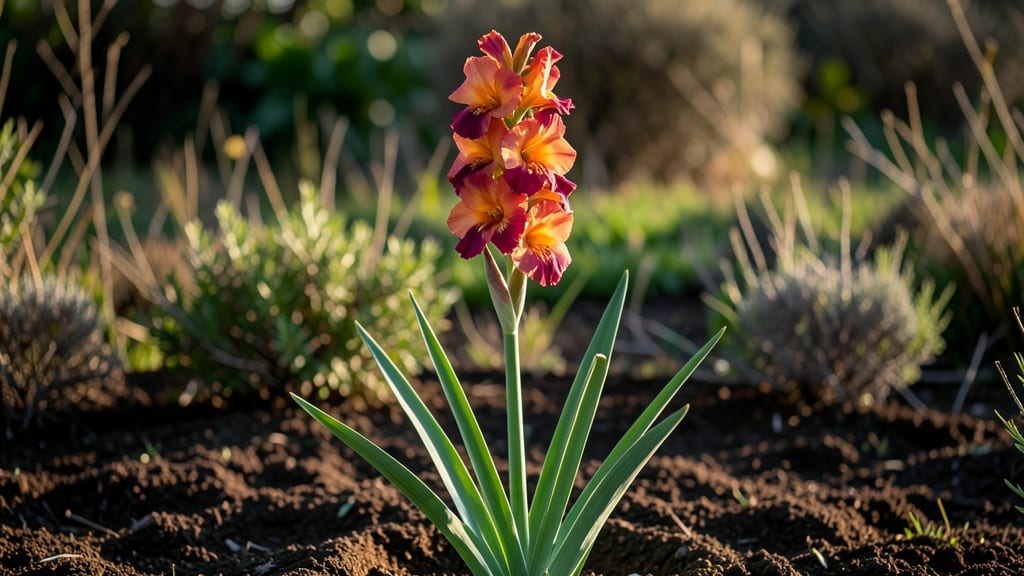
Growing gladioli in your garden delivers dramatic height and color that turns ordinary spaces into showstoppers. ✨ I’ve planted these sword-like blooms for years, and they’ve become my go-to for adding vertical drama to borders, cutting gardens, and even container arrangements.
The secret isn’t just their striking appearance—it’s how easy they are to grow once you nail the basics.
Their needs are simple: full sun for at least 6 hours daily, well-draining soil enriched with compost, and 12-18 inches of spacing between corms. Staking is a must for taller varieties, but even without it, they’ll hold their own in windy spots.
Water consistently—1 inch per week—but avoid soggy soil, which rots those precious corms.
By mid-summer, you’ll see those signature spikes of blooms unfurling in bold colors like red, pink, and purple. Each stem produces 5-20 flowers, and they last for weeks in vases too. The best part? Gladioli multiply underground, so your investment grows year after year. Ready to add some drama?
For long-lasting displays, plant in staggered rows every 2 weeks to extend the blooming season. And skip the mulch in winter—gladioli corms need cold dormancy to thrive. Let’s get those corms in the ground!
📚 In This Guide
- What you need
- Instructions
- Tips and common mistakes
- Wrapping up and next steps
What you need
- ● Gladiolus corms: 10–20 corms (depending on desired coverage; choose healthy, firm corms, 3–4 inches in diameter).
- ● Well-draining soil: Amend garden soil with compost (2–3 inches) or a mix of sand and peat moss if your soil is heavy clay.
- ● Fertilizer: Balanced 10-10-10 fertilizer (1–2 tbsp per corm) at planting.
- ○ Low-nitrogen 5-10-10 fertilizer (1 tbsp per plant) during bloom (optional but recommended).
- ● Sunlight: A full-sun location (6+ hours/day)—gladioli thrive in bright, open spaces!
- ● Watering can or hose: With a gentle spray nozzle for deep but infrequent watering (1–2 inches per week).
- ● Stakes or supports: 3–4 ft bamboo stakes or tomato cages (1 per 3–5 corms) to prevent flopping.
- ● Garden gloves: To protect hands while handling corms and soil.
- ● Mulch: Straw or shredded leaves (2 inches) to retain moisture and suppress weeds.
- ● Slow-release fertilizer tabs: Plant near corms for steady nutrition.
- ● Color-coordinated stakes: For a polished, garden-party look (fun for borders!).
- ● Pest deterrents: Neem oil spray (prevents thrips and aphids).
- ● Row covers (if rabbits or deer are a problem).
- ● Garden journal: To track varieties, blooming times, and care notes!
Step-by-step instructions for planting gladioli in your garden
Here’s how to grow these dramatic flowers with minimal fuss—just follow these clear steps.
🌱 Step 1: Choose the Right Location and Prepare the Soil
Gladioli thrive in full sun with at least 6 hours of direct light daily. Pick a spot where they’ll receive morning sunlight and afternoon shade in hot climates to prevent scorching. Avoid low-lying areas where cold air settles, as gladioli are frost-sensitive once established.
Loosen the soil to a depth of 12 inches with a garden fork or tiller. Gladioli have deep roots, so breaking up compacted soil ensures they can anchor properly. Mix in 2-3 inches of compost to enrich the soil—these plants are heavy feeders and reward good nutrition with taller, sturdier stems. Test the soil pH; gladioli prefer a slightly acidic to neutral range of 6.0-7.0. If your soil is heavy clay, amend it with sand or perlite to improve drainage.
🌱 Step 2: Plant Corms at the Correct Depth and Spacing
Plant gladioli corms in early spring, about 2-3 weeks before your last frost date, or in late summer for a fall bloom. Use a trowel to dig holes 4-6 inches deep—this depth prevents the corms from heaving out of the ground in freezing temperatures. Place 1-2 corms per hole, spacing them 6 inches apart in rows 18 inches apart. This spacing gives stems room to grow without crowding, which reduces disease risk.
Position the corms with the pointy end up—this is where the shoot will emerge. Cover them with soil and firm it gently around the corms. Water lightly immediately after planting to settle the soil and encourage root contact. Avoid overwatering; soggy soil can rot corms before they sprout. You’ll see shoots emerging in 2-3 weeks, signaling successful planting.
☀️ Step 3: Provide Consistent Water and Fertilizer
Water gladioli deeply once a week, providing 1 inch of water per week. Increase frequency during dry spells or when flowers begin to form—this is when they need the most moisture. Water at the base of the plant to keep foliage dry, which prevents fungal diseases like rust. Early morning watering is ideal; it allows leaves to dry quickly and reduces humidity-related issues.
Fertilize lightly when shoots reach 6 inches tall, using a balanced 10-10-10 fertilizer. Apply ½ teaspoon per plant and water it in. Repeat every 4-6 weeks until blooming begins. Avoid high-nitrogen fertilizers late in the season—this encourages leafy growth at the expense of flowers. You’ll notice stronger stems and more abundant blooms when the plants receive steady nutrition.
✂️ Step 4: Stake and Deadhead for Longer Blooms
Tall gladioli varieties often need support. Install stakes or cages when the foliage reaches 12 inches tall to prevent stems from bending or breaking in wind or rain. Use bamboo stakes or metal cages—whatever keeps the stems upright without restricting airflow. Tie stems loosely with soft garden twine as they grow, adjusting as needed. This ensures the dramatic blooms stay visible and the stems don’t snap under their own weight.
Deadhead spent blooms by snipping the stem just above the next set of buds. This encourages the plant to produce more flowers and extends the blooming season. Stop fertilizing 6 weeks before your first frost, allowing the foliage to yellow naturally. This process stores energy in the corms for next year’s growth. Once the leaves turn brown, cut them back to 2 inches above the soil and leave the corms in the ground for winter.
⏰ Step 5: Dig and Store Corms for Next Season
After the first hard frost, when the foliage is completely brown, use a fork to carefully lift the corms. Shake off excess soil and let them dry in a shady, well-ventilated area for 2-3 days. This prevents rot during storage. Store the corms in a paper bag or mesh sack (never plastic) in a cool, dark place at 40-50°F until spring planting. Check them monthly for signs of mold or soft spots—discard any that feel mushy or smell off.
Here’s the thing—gladioli multiply each year. If you see small cormels (baby corms) attached to the main corm, separate them and plant them the following season. This ensures a fresh supply of blooms without buying new corms. With proper care, your gladioli will return year after year, offering bold color and height to your garden’s back rows.
Tips & tricks for perfect gladioli planting
Here's what I've learned after years of growing these showstopping flowers—these little details make all the difference between average blooms and garden showstoppers.
The Light Factor: If your garden gets intense afternoon sun, consider planting gladioli where they'll receive morning sun and afternoon shade. I've seen gladioli leaves scorch in just a few hours of peak afternoon sun—it's a common mistake that ruins the foliage before the flowers even appear. For hot climates, a light shade cloth during the hottest hours can save your plants without sacrificing that full sun they crave.
Soil Prep Secret: Don't skip the deep soil loosening—those 12 inches are critical for gladioli's deep roots. I've had plants that struggled in compacted soil, even with compost added. Use a broadfork to break up the soil without bringing up weeds from below. For clay soil, mix in sand or perlite at the 2-3 inch rate mentioned, but do it when preparing the bed rather than at planting time to avoid disturbing the roots later.
Planting Precision: The 4-6 inch planting depth isn't just arbitrary—it protects corms from winter heaving. I've learned this the hard way when winter winds exposed my corms, leaving them vulnerable to freezing. Mark your planting spots with stakes before digging holes to ensure proper spacing. And here's a pro move: plant corms slightly deeper (closer to 6 inches) in areas with heavy winter freezes for extra protection.
Storage Wisdom: That 40-50°F storage temperature range is non-negotiable for corm longevity. I store mine in an unheated garage wrapped in newspaper—just enough to prevent drying but allow airflow. Check monthly for any corms that feel soft or smell off, as rot can spread quickly. The paper bag method works perfectly, but avoid plastic which traps moisture and encourages mold growth.
Pro Tips for Gladioli In Garden
- Here's what I've learned after years of growing these showstopping flowers—these little details make all the difference between average blooms and garden showstoppers.
- The Light Factor: If your garden gets intense afternoon sun, consider planting gladioli where they'll receive morning sun and afternoon shade.
- Soil Prep Secret: Don't skip the deep soil loosening—those 12 inches are critical for gladioli's deep roots.
Frequently asked questions
Got questions about growing gladioli in your garden? You're not alone! Here are some of the most common queries—plus quick, practical answers to help you cultivate stunning blooms with confidence.
When is the best time to plant gladioli?
Plant gladioli after the last frost in spring (typically late April to early June, depending on your zone). For fall blooms, plant corms in late summer (August–September). Gladioli thrive in warm soil—wait until nighttime temps stay above 50°F (10°C) to avoid frost damage.
Why aren’t my gladioli blooming?
Blooms may skip if corms are too shallow (<1 inch deep), overcrowded, or starved of nutrients. Ensure full sun (6+ hours/day) and rich, well-draining soil. Pro tip: Feed with a balanced fertilizer (like 10-10-10) when leaves emerge, then again at flowering time.
Can I grow gladioli in containers?
Yes! Use large pots (at least 12 inches deep) with drainage holes. Plant 1–2 corms per container, spacing them 4–6 inches apart. Containers dry out faster, so water consistently and fertilize monthly. Perfect for patios or small gardens!
How do I protect gladioli from pests?
Gladioli attract thrips and slugs. Prevent pests by:
- Removing old foliage in fall (pests overwinter there).
- Using row covers early in the season.
- Hand-picking slugs or applying diatomaceous earth.
- Spraying neem oil for thrips if spotted.
Should I dig up and store gladioli corms over winter?
In zones 7–10, gladioli may survive winter in the ground with mulch. But in colder zones (below 20°F/-7°C), dig up corms after foliage dies back, cure them in a dry place for 2 weeks, then store in a cool, dark spot (like a garage) until spring.
What’s the best way to arrange cut gladioli?
Trim stems at an angle under water, then recut daily. Remove lower leaves to prevent bacterial growth. Gladioli last 7–10 days in a vase—change water every 2 days and add flower food. Pro tip: Strip leaves 2–3 inches from the base for a sleek look!
Wrapping up and next steps
Gladioli bring dramatic flair to gardens with their towering spikes and vibrant blooms—perfect for adding height, color, and drama to any landscape! Whether you’re a seasoned gardener or just starting out, these bold stems are easy to grow and reward you with stunning results. 🌸
Ready to transform your garden? Start by choosing your favorite varieties, preparing the soil, and planting with confidence. Next up: experiment with companion plants or try growing gladioli in containers for a fresh twist! Happy gardening! 🌱