Vegetables
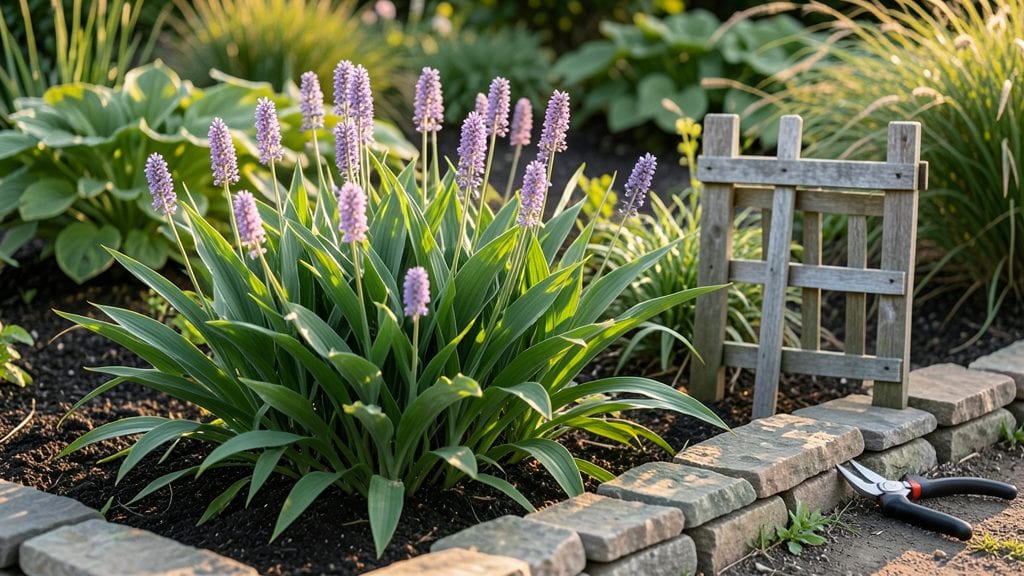
Tennessee gardens burst with flavor when you grow what thrives here—like okra, a heat-loving staple that transforms into this smoky blackened dish. 🌿 The secret starts with selecting the right variety for your zone, whether it's 'Emerald' for the cooler East or 'Clemson Spineless' for the hotter West.
My garden produces enough okra by late summer to share with neighbors, and this recipe turns it into a restaurant-worthy meal that tastes like Tennessee itself.
The magic happens in the garden before it hits the pan. Okra thrives in well-drained soil with plenty of sunlight, and Tennessee's warm climate gives it the perfect growing window from May through October. I've found that planting in early June after the last frost ensures strong, productive plants.
The key is consistent watering—okra hates soggy roots but loves deep drinks—and a light mulch to keep the soil cool and moist.
This recipe captures the essence of Tennessee gardening: bold flavors from homegrown ingredients, paired with simple techniques that elevate everyday vegetables. The smoky blackened crust gives way to tender okra, brightened by a pat of lemon-butter that balances the richness.
It's the kind of dish that makes you proud to grow your own, turning garden harvests into meals that taste like home.
For those just starting their Tennessee garden, okra is a fantastic choice—it's drought-tolerant once established, resists pests, and produces abundantly. Pair it with Southern favorites like collards or sweet potatoes for a full garden-to-table experience.
The best part? You'll have fresh okra straight from your backyard, ready to transform into this dish whenever the mood strikes.
📚 In This Guide
- What you need
- Instructions
- Tips and common mistakes
- Wrapping up and next steps
What you need
- ● Okra Seeds: 20-30 seeds (or 5-6 plants if starting with transplants). Look for Clemson Spineless or Emerald varieties—they thrive in Tennessee’s heat!
- ● Well-draining soil: A mix of native soil + compost (ratio: 70% soil, 30% compost). Tennessee’s clay-heavy soil? Amend it with peat moss or pine bark fines for better aeration.
- ● Fertilizer: Balanced 10-10-10 fertilizer (1 tbsp per plant at planting).
- ● Slow-release organic fertilizer (e.g., fish emulsion) every 4-6 weeks.
- ● Watering supplies: Drip irrigation system or watering can (1-2 gallons per plant, 2-3x/week during dry spells).
- ● Mulch (straw or pine needles) to retain moisture.
- ● Garden bed or containers: Full sun spot (6+ hours/day).
- ● For containers: 5-gallon pots (minimum) with drainage holes.
- ● Hand trowel (for transplanting seedlings).
- ● Garden gloves (to protect from prickly okra pods!).
- ● Pruners (to trim dead leaves or leggy stems).
- ● pH test kit (ideal soil pH: 6.0–6.8).
- ○ Optional but helpful: Trellis or cage (okra grows tall—up to 6 feet!).
- ● Row cover (for early planting to protect from pests).
- ● Spray bottle (for seedling misting).
- ● Planting timeline: Start seeds indoors 4–6 weeks before last frost (late March–early April in TN) or direct-sow after soil warms to 60°F+ (mid-April–May).
- ● Hardiness zone: Okra thrives in Zones 7–11 (all of TN fits!).
- ● Sunlight: Full sun is a must—no shade allowed!
- ● Pest watch: Keep an eye out for aphids, squash bugs, or deer. Use neem oil if needed.
How to design a thriving Tennessee vegetable garden
Tennessee's climate offers the perfect mix of warmth and humidity for growing hearty vegetables—here's how to create a productive, low-maintenance garden that thrives year after year.
🌱 Step 1: Choose the Right Location and Soil
Tennessee's varied microclimates mean your garden's success hinges on placement. Look for a spot that gets 6-8 hours of sunlight daily, especially in the afternoon when temperatures peak. Avoid low-lying areas where cold air pools—those spots stay too damp for most vegetables.
Test your soil before planting; Tennessee's native clay often needs amending. Work in 2-3 inches of compost and a balanced 10-10-10 fertilizer to give your plants a nutrient boost. The ideal soil should crumble easily when moist but hold together when dry—like a damp sponge.
☀️ Step 2: Select Tennessee-Friendly Vegetables
Focus on heat-tolerant varieties that perform well in Tennessee's Zone 6-8 climate. Okra, sweet potatoes, and collards thrive in the summer heat, while broccoli, cabbage, and kale handle cooler spring and fall temperatures. I always plant a mix of warm-season and cool-season crops to extend my harvest window.
Start seeds indoors 6-8 weeks before the last frost date (typically mid-April in most of the state) for tomatoes, peppers, and eggplants. These plants need a long growing season to mature fully. For faster results, buy transplants from local nurseries that understand Tennessee's growing conditions.
💧 Step 3: Implement Smart Watering Practices
Tennessee summers bring intense heat and humidity, so watering becomes critical. Use a drip irrigation system or soaker hoses to deliver water directly to the roots, reducing evaporation and fungal diseases. Water deeply 1-2 inches per week, allowing the top 2-3 inches of soil to dry out between sessions.
Morning is the best time to water—it gives plants time to dry off before evening humidity sets in, which helps prevent powdery mildew. Mulch with 2-3 inches of straw or wood chips to retain moisture and keep roots cool. You'll notice fewer weeds and more consistent growth with this approach.
✂️ Step 4: Maintain and Harvest for Maximum Yield
Regular pruning keeps plants productive and healthy. For tomatoes, pinch off suckers (the small shoots that form in the leaf axils) to direct energy toward fruit production. Harvest okra and beans frequently—they produce more when you pick consistently. I harvest okra pods when they're 3-4 inches long for the best texture.
Watch for common Tennessee pests like squash vine borers and tomato hornworms. Handpick larger pests or use row covers early in the season to protect young plants. Rotate crops yearly to prevent soil-borne diseases from building up. A well-maintained garden in Tennessee can produce enough vegetables to enjoy fresh harvests straight from the vine all season long.
🪴 Step 5: Prepare for Seasonal Transitions
As summer winds down, start planning for fall and winter. Plant cool-season crops like spinach, lettuce, and radishes 6-8 weeks before the first expected frost (usually late October in most of Tennessee). Use row covers to extend the season even further into cooler months.
Clean up garden debris in the fall to reduce overwintering pests and diseases. Compost any remaining plant material, then add a fresh layer of mulch to protect soil structure over winter. This preparation ensures your garden starts the next season with healthy, fertile soil ready for planting.
Tips & tricks for perfect smoky blackened okra with lemon-butter
These game-changing tips will transform your Tennessee garden harvest into a restaurant-worthy dish that celebrates the state's rich flavors.
Harvest Timing Matters: Pick okra pods when they're 3-4 inches long—this is the sweet spot for tender-crisp texture. I harvest mine in the early morning after the dew has dried, which prevents sliminess and ensures the best flavor. Tennessee's heat can make okra tough and fibrous if left on the vine too long, so stay consistent with your harvest schedule.
Prep Like a Pro: Before cooking, trim the stems and slice okra into 1-inch rounds for even cooking. I like to soak the sliced okra in cold water for 10 minutes to remove any slimy residue, then pat completely dry with paper towels. This step makes all the difference in texture—trust me, it's worth the extra minute!
Smoky Secret: For that authentic Tennessee-inspired smokiness, use a mix of smoked paprika and a pinch of liquid smoke> (just 1/4 teaspoon is enough!). Toast the spices in a dry skillet for 30 seconds> before adding oil—this deepens the flavor profile and gives your dish that professional restaurant touch. The key is to balance the smokiness with the bright lemon butter to avoid overpowering the delicate okra flavor.
Cooking Technique: When blackening the okra, work in batches to avoid crowding the pan. A hot, well-seasoned cast-iron skillet is ideal for achieving that perfect crust. I like to cook the okra for 2-3 minutes per side> until deeply browned but still tender inside. The high heat creates that beautiful crust while keeping the interior moist—a technique that separates good from great in Southern cooking.
Pro Tips for Gardens In Tennessee
- These game-changing tips will transform your Tennessee garden harvest into a restaurant-worthy dish that celebrates the state's rich flavors.
- Harvest Timing Matters: Pick okra pods when they're 3-4 inches long—this is the sweet spot for tender-crisp texture.
- Prep Like a Pro: Before cooking, trim the stems and slice okra into 1-inch rounds for even cooking.
Frequently asked questions
Got questions about growing Tennessee’s beloved okra or mastering this smoky recipe? We’ve got answers!
Whether you’re a first-time gardener or a seasoned green thumb, these FAQs will help you grow, harvest, and cook okra like a pro.
What’s the best time to plant okra in Tennessee?
Plant okra seeds after the last frost (typically mid-April to early May in most of TN), once soil temps hit 60°F+. For a longer harvest, stagger plantings every 2–3 weeks. Okra thrives in full sun (6+ hours/day) and warm soil—so don’t rush!
How do I know when okra is ready to pick?
Harvest okra pods when they’re 3–4 inches long (younger = tender!). Use pruning shears or gloves (okra can be prickly!) and pick in the morning for peak flavor. Overgrown pods turn woody—so check plants every 2–3 days!
Can I grow okra in containers, or does it need a big garden?
Okra grows well in 5-gallon containers or larger (with drainage). Choose a deep pot (12"+) and use a light, well-draining mix. Just ensure it gets full sun and space plants 18–24 inches apart for airflow. Perfect for patios or small yards!
Why is my okra flowering but not producing pods?
Okra needs warmth, water, and pollinators (like bees) to set fruit. If blooms drop without pods:
- Check temps: Okra struggles below 65°F.
- Hand-pollinate: Gently shake plants on sunny days.
- Fertilize: Use a low-nitrogen, high-phosphorus feed (like 5-10-10) when blooms appear.
- Water deeply: Drought stress = fewer pods.
How can I store fresh okra for the smoky recipe?
Store unwashed okra in a paper towel-lined bag in the fridge for 5–7 days. For longer storage:
- Freeze: Blanch pods (2 mins in boiling water), cool, drain, and freeze in airtight bags (up to 8 months).
- Pickle: Preserve in vinegar brine for shelf-stable flavor.
Wrapping up and next steps
From Tennessee’s lush gardens to your plate, this Smoky Blackened Okra with Lemon-Butter brings the best of Southern flavors to life! 🌿✨ Whether you’re a seasoned gardener or just love fresh, homegrown veggies, this dish proves how simple ingredients can create something extraordinary.
Ready to impress your family or friends? Grab your garden-fresh okra, fire up the grill, and start cooking!
💡 Next step: Bookmark this recipe, plan your next harvest, and experiment with other Tennessee-grown veggies—your taste buds (and garden!) will thank you.