Shrubs
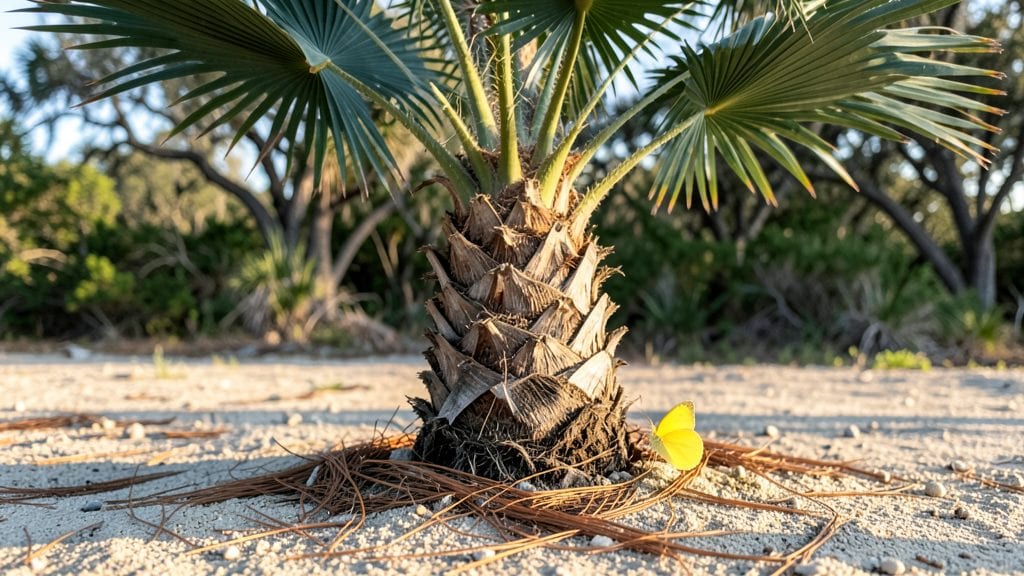
Understanding Florida’s gardening zones helps you choose the right plants for your location, as they span from USDA Zone 8a in the Panhandle to Zone 11 in the Keys. These varied microclimates mean coastal areas thrive in humid subtropical conditions, while inland zones need drought-resistant varieties like bougainvillea or palm trees. Always consult the USDA map before planting to match your yard’s specific growing conditions.
Florida’s diverse climate zones create unique challenges and opportunities for gardeners. The USDA map divides the state into distinct growing regions, but local factors like humidity, elevation, and even ocean breezes can shift what grows best.
For example, Zone 10 in South Florida supports tropical plants like mango trees, while Zone 9 in Central Florida requires cold-hardy options like citrus varieties. Microclimates mean your neighbor’s thriving garden might struggle in your yard—so always test your soil and observe your space before committing to plants. 🌿
What’s fascinating is how these zones influence plant health year-round. Coastal areas battle salt spray and hurricane winds, while inland zones face intense summer heat and drought. Native plants like saw palmetto or muhly grass are perfect for adapting to these extremes, offering both beauty and resilience.
Beginners should start with these low-maintenance options before experimenting with more delicate species.
💡 In This Article
- How Florida’s Microclimates Affect Plant Selection
- Top Florida-Native Plants for Each USDA Zone
How Florida’s microclimates affect plant selection
Florida’s microclimates create dramatic differences in plant success across just 100 miles. Take Zone 9 in Ocala versus Zone 10 in Fort Lauderdale: Ocala’s cooler winters (down to 25°F) can kill tropical plants, while Fort Lauderdale’s frost-free winters allow mango trees to fruit reliably.
The key factor is frost-free periods—Zone 10 enjoys 300+ days above 32°F, while Zone 9 sees 200-250 days. This 50-day difference explains why coontie palm thrives in Zone 10 but struggles in Zone 9’s occasional freezes. 🌡️
Humidity plays an even bigger role than temperature. Coastal areas like Miami (Zone 11) experience 80-90% humidity year-round, creating ideal conditions for orchids and ferns that need constant moisture. In contrast, inland Highlands County (Zone 9b) drops to 40-50% humidity in summer, demanding drought-tolerant species like yucca or agave.
The soil type compounds this: sandy coastal soils drain quickly, while clay-rich inland areas retain moisture—leading to root rot in tropical plants if not amended properly. The science here is simple: water stress triggers different survival mechanisms in plants.
Here’s what this means for your garden: Elevation changes everything. A 100-foot elevation gain between Miami and Coral Gables can shift your microclimate from Zone 11 to Zone 10b, affecting chill hours.
Most gardeners don’t realize that hurricane exposure also matters—coastal plants must withstand 100+ mph winds, while inland varieties face drought and wildfire risks. For example, Royal Poinciana (a stunning Zone 10 tree) can’t handle Zone 9’s occasional freezes, but Sabal palm adapts to both with proper care. 🌪️
Seasonal variations add another layer. Northern Florida’s Panhandle (Zone 8a) sees 2-3 frost days per year, while the Keys (Zone 11) never drop below 60°F. This means citrus trees in Zone 9 need winter protection, while avocado trees in Zone 10 thrive without it.
Even rainfall patterns differ: South Florida gets 60+ inches annually, while Central Florida averages 50 inches—enough for tropical plants but too much for cacti. The takeaway? Test your microclimate for 2 years before committing to high-maintenance plants.
Soil pH adds the final puzzle piece.
Florida’s sandy soils often have low organic matter and pH 5.5-6.5, while limestone beds in North Florida can reach pH 7.5+. Azaleas (loving acidic soil) fail in Zone 10’s alkaline regions, while bougainvillea (thriving in neutral to alkaline) struggles in Zone 8’s acidic soils.
The solution? Amend soil with pine bark (for acid-lovers) or lime (for alkaline-tolerant plants) before planting. 🌱
What most people overlook is wind exposure. Coastal gardens face salt spray, which damages foliage and root systems over time. Windbreaks like sea grape trees are essential near shorelines, while inland gardens can support taller, less wind-resistant species.
Even sunlight intensity varies: South Florida’s bright, direct sun (up to 10,000 foot-candles) scalds delicate leaves, while North Florida’s filtered light suits shade-loving plants like caladiums. 🌿
The bottom line? Florida’s microclimates aren’t just about zones—they’re about layered conditions that interact in complex ways. Start by mapping your yard’s sunlight, wind, soil, and humidity for a full year before selecting plants.
Native species like firebush or blanket flower are your best bet—they’ve evolved to handle these variations naturally. For tropical plants, container gardening gives you flexibility to move them indoors during cold snaps. 💫