
Advice
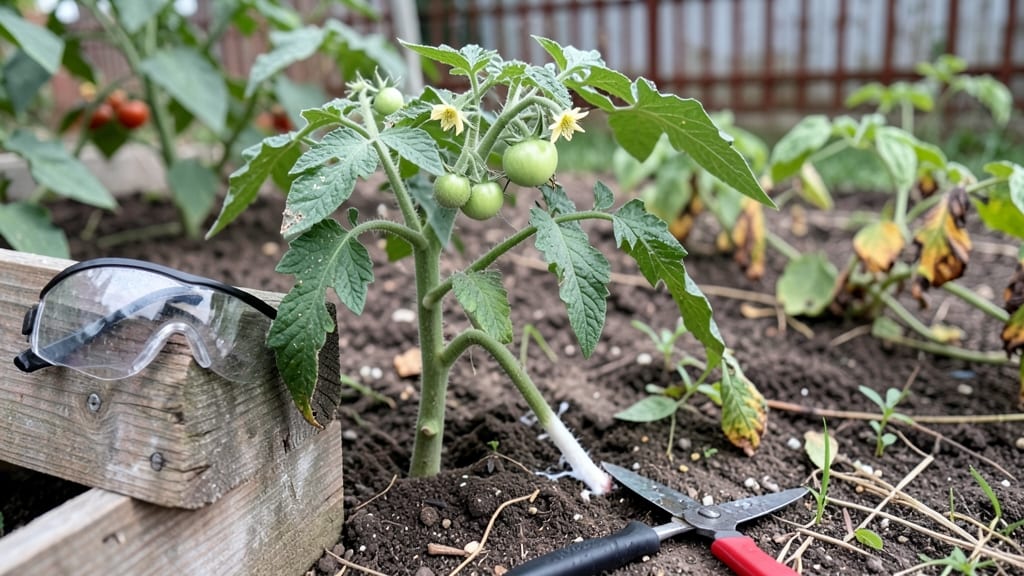
Gardening safety tips start with treating your yard like a construction site—because blisters, cuts, and sunburns are the real deal. ✨ I’ve spent too many afternoons patching up scrapes from pruners and wrestling with stiff backs from bending wrong, and I refuse to let anyone else make the same mistakes.
The right gear and habits can turn a risky chore into a sustainable hobby that lasts decades.
Your hands, eyes, and skin take the brunt of gardening’s hazards—sharp tools, harsh chemicals, and relentless sun exposure. A sturdy pair of gloves keeps blisters at bay, while safety goggles protect against flying debris when pruning or mulching.
Chemical storage isn’t optional: keep pesticides and fertilizers locked away from kids and pets, and always wear long sleeves and pants when handling strong mixes. Even the simplest tasks, like lifting bags of soil, can strain your back if you don’t bend your knees and keep your load close.
You’ll notice the difference immediately: fewer scrapes, no more squinting through glare, and skin that doesn’t burn by midday. The best part? These habits make gardening more enjoyable, not just safer.
Once you see how small adjustments prevent big problems, you’ll wonder why you didn’t start sooner. Let’s get you set up right so you can focus on the growing—not the ouches.
From kid-friendly tool designs to ergonomic handles, there’s gear for every gardener. Even pets and children can stay safe with a few smart boundaries—like keeping them out of the shed when you’re mixing chemicals.
The goal isn’t to turn gardening into a sterile lab; it’s about working smarter, so you can keep digging, planting, and enjoying your space for years to come.
Hidden Hazards In Your Garden
Gardening may seem like a peaceful pastime, but beneath the soil and behind the blooms lurk unseen dangers that can turn a relaxing afternoon into a medical emergency. Understanding why these risks exist—and how they trigger injuries—is the first step to preventing them.
Let’s break down the science behind common gardening hazards and why they catch even experienced green thumbs off guard.
Gardening tools are designed to cut, prune, and dig—but they don’t discriminate between your skin and weeds. Why does this happen? - Blunt or Damaged Tools: Over time, shears, pruners, and knives lose their sharp edges, requiring more force to cut.
This increases the risk of slips (when the blade skids off target) or misalignment (when pressure causes the tool to twist unpredictably).
A dull blade also creates friction burns, which may not be immediately painful but can lead to infections if the skin breaks later. - Poor Grip or Wet Handles: Sweaty palms, rain-soaked gloves, or slick tool handles reduce tactile feedback, making it harder to control tool movement.
Studies show that wet hands reduce grip strength by up to 30%, turning a simple trim into a high-risk maneuver.
Even a small misstep can send a blade into your thumb or forearm. - Fatigue and Overconfidence: After hours of gardening, muscle fatigue reduces fine motor control, increasing the chance of accidental cuts.
Ironically, experienced gardeners are often at higher risk because they underestimate hazards after years of safe use.
Pro Tip: 🔪 Always inspect tools before use—replace handles that are cracked or splintered, and sharpen blades regularly. A sharp tool cuts with precision; a dull one demands brute force (and invites mistakes).
Not all plants are harmless. Many have evolved physical or chemical defenses that can harm humans—often in ways that aren’t immediately obvious.
- Thorns and Spines: Plants like roses, cacti, and blackberries use silica-based spines (harder than human fingernails) to deter herbivores.
When these pierce skin, they can: - Embed deeply, making removal difficult and increasing infection risk. - Break off, leaving fragments that trigger foreign body reactions (your immune system treats them like splinters). - Inject irritants: Some thorns, like those on osage orange (Maclura pomifera), secrete a milky sap that causes contact dermatitis. - Toxic Sap and Resins: Plants like poison ivy (Toxicodendron radicans), stinging nettles (Urtica dioica), and euphorbias contain urticating hairs (microscopic needles) or caustic oils that trigger: - Immediate allergic reactions (histamine release, leading to swelling and blisters). - Delayed reactions (e.g., poison ivy’s urushiol oil, which can cause symptoms 48–72 hours after exposure). - Skin sensitization: Repeated exposure can make you more reactive over time, turning a mild rash into a severe breakout. - Unstable Soil and Hidden Roots: Loose soil or decaying organic matter can hide: - Gopher holes or burrowing animal tunnels, leading to ankle twists or falls. - Rotten wood or old roots, which may collapse unexpectedly when dug, causing sharp edges to slice skin or heavy objects to crush fingers.
Pro Tip: 🌡️ If you’re allergic to a plant, avoid it entirely—there’s no "safe" way to handle poison ivy or poison oak. For unknown plants, wear long sleeves and wash exposed skin with soap and water immediately (even if no reaction occurs yet).
The sun doesn’t just cause sunburn—it alters your body’s ability to react safely to gardening tasks.
- Dehydration and Lightheadedness: Prolonged sun exposure leads to electrolyte imbalances, reducing: - Grip strength (hands shake, tools slip). - Reaction time (delays in pulling away from a sharp edge). - Cognitive function (poor judgment, like ignoring a warning sign for a bee’s nest). - Heat Exhaustion: When your core temperature rises, blood vessels dilate to cool you down, redirecting blood away from extremities (hands, feet).
This causes: - Numbness or tingling, making it harder to feel pressure (e.g., a glove caught in a lawnmower). - Muscle cramps, which can lead to dropped tools (a shovel falling on your foot = instant injury). - UV-Induced Skin Weakness: Chronic sun exposure degrades collagen in your skin, making it: - Thinner and more prone to tears (even from gentle contact with rough surfaces). - Less elastic, increasing the risk of badly healed scars if cut.
Pro Tip: ⏰ Work during early morning or late afternoon to avoid peak UV hours (10 AM–4 PM). Hydrate with electrolyte-rich drinks (not just water) and take 5-minute breaks in the shade every 20 minutes to reset your body’s balance.
Garden pests aren’t just annoying—they’re active predators with their own survival strategies.
- Bees and Wasps: Their stingers deliver venom (a mix of peptides and enzymes) that can cause: - Localized pain and swelling (from histamine release). - Systemic reactions (in allergic individuals, anaphylaxis can occur within minutes). - Secondary infections if the sting site is scratched or irritated. - Spiders and Scorpions: Many hide in mulch, under rocks, or in sheds.
Their bites can: - Inject neurotoxins (e.g., black widow venom disrupts acetylcholine, causing muscle spasms). - Trigger severe local necrosis (e.g., brown recluse bites break down skin tissue). - Raccoons and Skunks: These animals carry diseases (like leptospirosis or rabies) and may: - Scratch or bite if cornered (their claws can penetrate gloves). - Spray defensive chemicals (skunk spray contains thiols, which burn eyes and lungs).
Pro Tip: 🎯 Wear long pants, closed-toe shoes, and a hat when working near brush piles or compost heaps. If you spot a nest or hive, freeze and back away slowly—never swat at them.
Power tools and machinery are high-risk because they combine speed, force, and human error.
- Lawnmower Blades: Moving at 3,000–4,000 RPM, they can sever fingers, toes, or even amputate limbs if: - Debris gets caught (e.g., a rock or stick launches like a bullet). - The user loses balance (wet grass reduces traction, increasing fall risk). - Safety features fail (a broken blade shield or dull blade that jams unexpectedly). - String Trimmers ("Weed Whackers"): Their high-speed nylon strings act like tiny, unguided bullets, capable of: - Penetrating eyes (even with goggles, side splashes can cause injury). - Cutting through tendons if the string snaps back (common with cheap or frayed lines). - Chainsaws: Kickback (when the chain grabs wood and flings the saw backward) is the leading cause of chainsaw injuries.
Factors include: - Dull chains (require more force, increasing kickback risk). - Improper grip (holding too loosely or reaching over the saw). - Obstructed chains (sap, dirt, or pinched limbs cause sudden resistance).
Pro Tip: ⚠️ Always disconnect the spark plug before clearing jams or performing maintenance. For chainsaws, stand firmly sideways to the cut (never facing the tip) and wear chaps (they’re designed to stop the chain in milliseconds if you’re hit).
Quick fixes for common garden hazards
Gardening is a rewarding hobby, but it can also bring unexpected challenges—from pesky cuts to stubborn skin irritations. The good news? Most issues have simple, effective solutions. Below, we’ll map out practical fixes for common problems, along with tips to keep you safe and comfortable in your green space.
Cause: Uneven tools, thorny plants, or accidental slips with pruners. Fix It:
- 🩹 Clean the wound: Rinse with clean water and mild soap to remove debris.
- 🩹 Apply pressure: Use a clean cloth or bandage to stop bleeding for 5–10 minutes.
- 🩹 Cover it up: Slap on a sterile adhesive bandage or gauze to protect the area.
- ⚠️ When to see a doctor: If bleeding doesn’t stop after 15 minutes, the cut is deep, or you notice signs of infection (redness, swelling, pus).
Prevent It:
- 🔪 Sharpen your tools regularly—dull blades cause more accidents.
- 🧤 Wear gloves when handling thorny plants (like roses or blackberries).
- 👀 Stay focused: Avoid distractions while using sharp tools.
Cause: Dust, pollen, or chemical splashes from fertilizers/pesticides. Fix It:
- 💦 Rinse immediately: Hold your eyelids open and flush with lukewarm water for 10–15 seconds.
- 🧴 Use eye drops: Over-the-counter lubricating drops (like saline solution) can relieve dryness.
- 🚫 Avoid rubbing: This can worsen irritation or scratch your cornea.
- ⚠️ Seek help if: You experience blurred vision, pain, or light sensitivity—signs of a possible chemical burn.
Prevent It:
- 🛡️ Wear safety goggles when handling chemicals or working in dusty conditions.
- 🌬️ Check the weather: Avoid gardening on windy days if you’re sensitive to pollen.
- 🧤 Pair goggles with gloves for double protection during high-risk tasks.
Cause: Poison ivy/oak/sumac, latex gloves, or chemical reactions (like from pesticides). Fix It:
- 🚿 Wash exposed skin: Use cool water and mild soap within 10 minutes of contact.
- 🧴 Apply hydrocortisone cream (1%) or calamine lotion to reduce itching.
- 💊 Take an antihistamine (like Benadryl) for severe reactions.
- ⚠️ See a doctor if: You develop blisters, swelling, or trouble breathing—signs of a severe allergic reaction.
Prevent It:
- 🌿 Learn to identify toxic plants—remember: "Leaves of three, let it be!" (poison ivy/oak/sumac).
- 🧤 Choose the right gloves: Opt for nitrile or vinyl (not latex) if you have allergies.
- 🛡️ Wear long sleeves/pants as a barrier when working near known irritants.
Cause: Prolonged sun exposure without protection or dehydration in hot weather. Fix It:
- 💦 Hydrate immediately: Drink water or electrolyte-rich drinks (like coconut water).
- 🧊 Cool your skin: Apply aloe vera gel or a cool compress to sunburned areas.
- 🛌 Rest in the shade: Lie down and elevate your feet if you feel dizzy or nauseous.
- ⚠️ Go to the ER if: You experience confusion, fainting, or a body temperature above 103°F.
Prevent It:
- 🕶️ Wear a wide-brimmed hat and UV-protective clothing (UPF 50+).
- 🕒 Garden in the early morning or late afternoon to avoid peak sun hours (10 AM–4 PM).
- 💧 Bring water and take breaks every 20–30 minutes, even if you don’t feel thirsty.
Cause: Overwatering, poor drainage, or walking barefoot in damp soil (athlete’s foot, ringworm). Fix It:
- 🧴 Use antifungal cream (like clotrimazole) for skin infections.
- 👟 Keep feet dry: Change socks midday and wear moisture-wicking shoes.
- 🧼 Clean tools and soil with a bleach solution (1 part bleach to 10 parts water) to prevent spread.
Prevent It:
- 💧 Water plants at the base (not overhead) to reduce fungal spores in the air.
- 🧦 Wear breathable shoes and sandals in the garden to avoid moisture buildup.
- 🧼 Disinfect tools after each use to stop fungal growth.
Most garden mishaps are avoidable with the right precautions—but when they happen, quick action keeps small issues from becoming big problems. Stay safe, stay smart, and happy gardening! 🌱💚
Frequently asked questions
What’s the most important safety gear for beginners?
Start with sturdy gloves (nitrile for chemicals, leather for thorns) and closed-toe shoes—no sandals! Add safety goggles when handling tools or chemicals, and a wide-brimmed hat for sun protection. These basics cover 80% of common risks without breaking the bank.
How do I safely store garden chemicals?
Keep all pesticides, fertilizers, and herbicides in their original labeled containers, stored in a locked shed or cabinet away from children and pets. Never mix chemicals—always read labels first. Store them on shelves (not the floor) to prevent leaks, and wear gloves when handling.
What’s the best way to lift heavy garden bags?
Always bend at the knees, keep the load close to your body, and lift with your legs, not your back. Break heavy bags into smaller loads if possible, and consider using a wheelbarrow or dolly for frequent moves. Never twist while lifting—pivot with your feet instead.
Can kids help in the garden safely?
Yes! Assign age-appropriate tasks like watering (with a small watering can) or picking flowers. Supervise them when using tools, and teach them to always ask before touching plants or containers. Keep them away from chemicals, power tools, and thorny plants. A kid-sized gardening kit with safe tools makes it fun!
What should I do if I get a bee sting in the garden?
Stay calm, scrape out the stinger (don’t squeeze it), and wash the area with soap and water. Apply a cold compress to reduce swelling. If you’re allergic, carry an epinephrine auto-injector and seek emergency help immediately. Avoid swatting at bees—walk away slowly instead.