
Tools
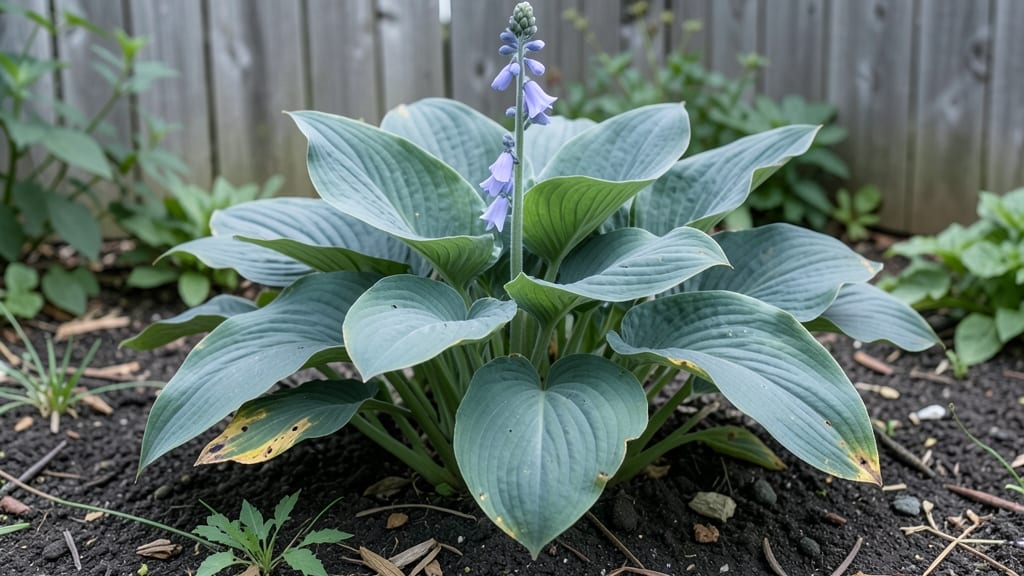
Gardening in Minnesota means choosing plants that laugh at frost and keep growing when others give up. 🌱 I’ve learned the hard way—after losing entire tomato plants to late spring freezes—that the secret isn’t fighting the climate, but working with it.
The right perennials, cold-hardy veggies, and native species turn Minnesota’s short season into a thriving garden, not a battleground.
Think kale that survives winter, rhubarb that pushes through snow, and strawberries that fruit in Zone 4. These aren’t just tough plants—they’re the ones that make gardening here rewarding instead of frustrating.
You’ll need raised beds to warm cold soil, windbreaks to shield tender shoots, and a greenhouse for extending the season when needed. The payoff? A garden that produces when others fail.
By focusing on frost-resistant varieties and smart timing—planting peas in early spring, kale in late summer—you’ll harvest fresh greens from May through October. The key is matching plants to Minnesota’s microclimates: sheltered spots for heat-lovers, sunny areas for cold-hardy crops, and containers for flexibility. Even the pests here have workarounds.
Local resources like the University of Minnesota Extension and nurseries specializing in Zone 3–5 plants make this easier than ever. With the right approach, you’ll grow more in Minnesota’s short season than most gardeners do in twice the time. Let’s get those frost-proof plants in the ground!
📚 In This Guide
- What you need
- Instructions
- Tips and common mistakes
- Wrapping up and next steps
What you need
- ● Soil: 10+ cubic yards of well-draining, organic-rich soil (amend with compost or peat moss if native soil is heavy/clay-heavy).
- ● Frost-resistant plants: Perennials: Coneflowers, Black-Eyed Susans, Lavender, Russian Sage (5-10 plants per variety)
- ● Shrubs: Potentilla, Ninebark, or Butterfly Bush (3-5 plants)
- ● Vegetables: Kale, Swiss Chard, Spinach, and Peas (seeds or seedlings, 1-2 lbs or 10-20 plants)
- ● Mulch: 2-3 bags of straw, wood chips, or shredded leaves (helps insulate roots).
- ● Watering supplies: Garden hose (50+ ft) with adjustable nozzle
- ● Watering can (5-gallon capacity) for delicate plants
- ● Basic hand tools: Trowel (stainless steel, 6-8")
- ● Pruners (bypass, sharp)
- ● Garden fork (heavy-duty, 18-24")
- ● Garden gloves (waterproof, reinforced)
- ● Cold frames or row covers: Protect seedlings from late frosts (choose UV-resistant fabric).
- ● Soil thermometer: Monitor ground temps for planting timing ($10-$15 range).
- ● Compost bin: Turn kitchen scraps into nutrient-rich soil (32-gallon tumbler recommended).
- ● Drip irrigation kit: Efficient watering for larger gardens (100-200 ft tubing).
- ● Plant markers: Label seeds/seedlings with frost dates (biodegradable or reusable).
Step-by-Step guide to selecting and planting frost-resistant plants in Minnesota
Minnesota’s harsh winters and unpredictable springs demand smart plant choices—here’s how to build a resilient garden.
🌱 Step 1: Choose Native and Cold-Hardy Perennials
Start with plants that naturally thrive in Minnesota’s USDA Hardiness Zones 3-5. Coneflowers, black-eyed Susans, and Russian sage tolerate below-zero temperatures and bounce back after frost. I always include asclepias (butterfly weed)—its deep roots survive winter, and it blooms reliably in early summer.
Check each plant’s cold hardiness rating—look for labels like "Zone 3" or "Zone 4". Avoid tropical or Mediterranean species unless you’re growing them in containers that can be moved indoors. For example, lavender (Zone 5) can survive Minnesota winters if planted in well-drained soil, but rosemary (Zone 8) will die without winter protection.
☀️ Step 2: Plant in Late Summer or Early Fall for Winter Establishment
Minnesota’s late-spring planting season often brings frost surprises, so I plant perennials in late August or early September. This gives roots time to establish before winter, making plants more resilient. Dig holes twice as wide as the root ball but only as deep—planting too deep suffocates roots.
Water deeply after planting to settle the soil around roots, then mulch with 3-4 inches of shredded hardwood mulch. This insulates roots from freeze-thaw cycles and prevents soil heaving. Avoid organic mulches like leaves, which can mat and trap moisture against the crown.
🪴 Step 3: Protect Tender Plants with Mulch and Row Covers
For borderline-hardy plants like peony (Zone 3) or daylily (Zone 4), add an extra layer of straw mulch (6 inches deep) around the base in late fall. This creates an insulating blanket that keeps soil temperatures 10-15°F warmer during cold snaps.
Use floating row covers in early spring to shield emerging shoots from late frosts (common in Minnesota until mid-May). Secure covers with bricks or stakes—strong winds can tear them, leaving plants vulnerable. I’ve seen delicate hostas survive -10°F with proper mulching, but without it, they’ll blacken overnight.
✂️ Step 4: Prune and Clean Up in Late Fall
Remove dead foliage from perennials like coneflowers and sedum after the first hard frost (below 25°F). This prevents pests from overwintering in decaying plant matter. Leave seed heads on plants like black-eyed Susan—they provide winter interest and food for birds.
Cut back grasses and ornamental plants (like switchgrass) to 4-6 inches tall in late fall. This protects the crown from snow mold and allows new growth to emerge earlier in spring. Avoid heavy pruning in early fall—it stresses plants before they’ve hardened off.
💧 Step 5: Water Strategically in Fall and Early Spring
Continue watering perennials until the ground freezes—deep roots need moisture to prepare for dormancy. In early spring, water again when soil thaws to encourage early growth. Minnesota’s chalky, clay-heavy soil drains poorly, so I always check moisture by squeezing a handful—if it crumbles easily, it’s dry enough to water.
Use drip irrigation or soaker hoses in spring to avoid disturbing soil. Overwatering can leach nutrients from thawing soil, while underwatering stresses newly emerging shoots. Aim for 1 inch of water per week once growth resumes—less if rain supplements.
Tips & tricks for frost-resistant gardening in Minnesota
Minnesota’s climate demands strategic planning—here’s how to ensure your garden thrives despite the cold.
Zone Selection: Double-check plant labels for Zone 3-5 ratings, as these are the most reliable for Minnesota winters. I’ve seen coneflowers and black-eyed Susans rebound after -20°F temperatures, but rosemary (Zone 8) will always struggle unless grown in containers. For borderline plants like lavender (Zone 5), choose well-drained sites to prevent root rot during freeze-thaw cycles.
Root Establishment Timing: The late August to early September planting window is critical—it allows roots to harden before winter. I’ve learned the hard way that spring-planted perennials often fail when early frosts hit. For extra insurance, water deeply one last time in mid-September to encourage root growth before dormancy sets in.
Mulching Strategy: The 3-4 inch layer of shredded hardwood mulch mentioned in Step 2 is non-negotiable, but don’t stop there. For peonies and daylilies, add an extra 6 inch layer of straw mulch in late fall to create that 10-15°F warmer soil blanket. This makes the difference between plants that survive and those that heave out of the ground.
Frost Protection: When using floating row covers in spring, secure them tightly with bricks or stakes—I’ve seen hostas blacken overnight when covers blew off during windstorms. For extra protection, add a cloche or cold frame over newly emerging shoots until mid-May. The -10°F threshold is real, and proper insulation can mean the difference between a thriving garden and a dead one.
Pro Tips for Gardening In Mn
- Minnesota’s climate demands strategic planning—here’s how to ensure your garden thrives despite the cold.
- Zone Selection: Double-check plant labels for Zone 3-5 ratings, as these are the most reliable for Minnesota winters.
- Root Establishment Timing: The late August to early September planting window is critical—it allows roots to harden before winter.
Frequently asked questions
Got questions about gardening in Minnesota’s unique climate? You’re not alone! Here are answers to the most common queries from local gardeners—whether you’re a beginner or a seasoned pro looking to beat the frost.
What are the best frost-resistant plants for Minnesota’s short growing season?
Minnesota’s USDA Hardiness Zones 3-5 mean you’ll want cold-hardy plants like kale, Swiss chard, hardy lettuce, and spinach for early spring/fall. Perennials like asparagus, rhubarb, and strawberries also thrive year-round. For flowers, try coneflowers, black-eyed Susans, and daylilies—they bounce back after frost!
How late can I plant in Minnesota before the first frost?
Frost dates vary, but mid-May to early June is safe for most veggies in southern MN, while northern areas should wait until late May or June. Use a frost calculator (like the Old Farmer’s Almanac) for your exact zone. For extra protection, use row covers or cold frames to extend the season!
Can I garden in Minnesota year-round, or do I need a greenhouse?
Yes! While winters limit outdoor gardening, you can grow greens, herbs (like parsley and cilantro), and root veggies (carrots, beets) under hoop houses or cold frames. For a full greenhouse, consider low-cost options like a repurposed shed with insulation—or try container gardening indoors with LED grow lights for microgreens!
What pests should I watch for in Minnesota gardens?
Minnesota’s top pests include Japanese beetles, cabbage worms, and squash bugs. Use neem oil or insecticidal soap for organic control. Slugs and snails love tender seedlings—try copper tape or diatomaceous earth to keep them away. Deer and rabbits? Fences (at least 8 feet tall!) are your best defense.
How can I improve poor soil in Minnesota’s rocky terrain?
MN’s clay-heavy or rocky soil drains poorly—amend it with compost, peat moss, or aged manure to boost fertility. For drainage, mix in sand or perlite. Raised beds are a game-changer if your yard is stubborn. Test your soil (free kits at UMN Extension) to target pH and nutrient needs!
When should I start seeds indoors vs. direct-sowing in MN?
| Plant Type | Start Indoors | Direct-Sow After |
|---|---|---|
| Tomatoes/Peppers | 6–8 weeks before last frost | After soil reaches 55°F |
| Lettuce/Spinach | Not needed | Early spring (March–April) or fall (Aug–Sept) |
| Peas/Carrots | Not needed | Late April–early May |
Pro tip: Use grow lights for indoor starts to avoid leggy seedlings!
Wrapping up and next steps
Minnesota’s unique climate doesn’t have to limit your gardening dreams—frost-resistant plants can turn your backyard into a thriving oasis year-round! 🌱 From hardy perennials to resilient veggies, you now have the tools to succeed, even with frigid winters and short growing seasons.
Whether you’re a beginner or a seasoned green thumb, these plants prove that great gardening isn’t just about luck—it’s about strategy.
Ready to dig in? Start small with one or two frost-tolerant plants this season, then expand your garden as you gain confidence. Happy planting—your Minnesota garden is waiting! 🌿