Pests
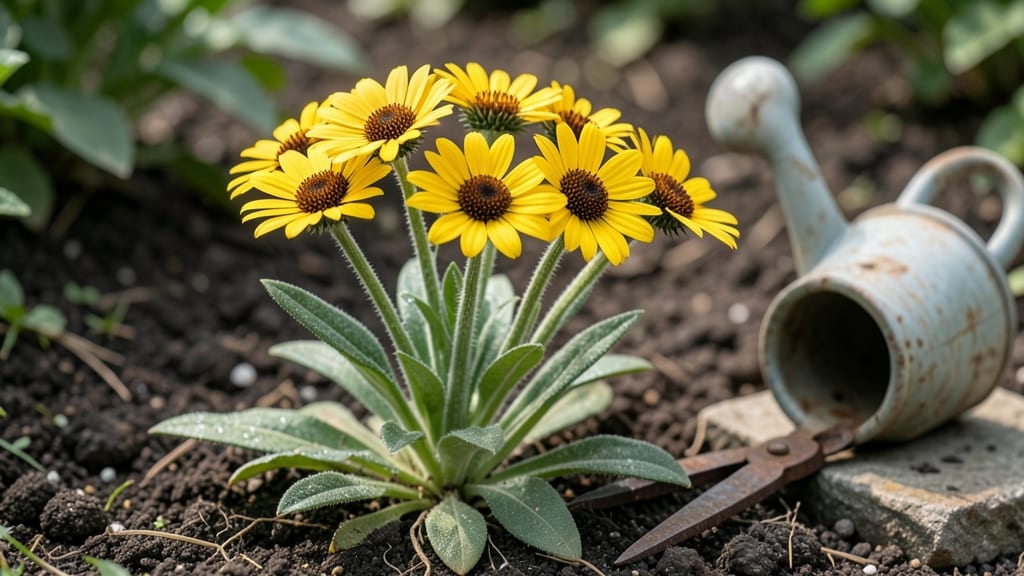
The secret to effective gardening deer control finally clicked when I found these scent-based repellents that work—no more chewed hostas or vanished veggies. 🌿 The trick? Layering strong smells with deer-resistant plants for a foolproof defense. out without harming them or your garden's balance.
You’ll need a few simple supplies: commercial deer repellent sprays, homemade alternatives like hot pepper mixtures, and physical barriers like tall fencing or netting. I also swapped out deer favorites in my garden beds for tougher plants like lavender, boxwood, and Russian sage—nature’s built-in deterrents.
The best part? These methods work without traps or harm, keeping your garden thriving while respecting the animals that visit.
Within a few weeks, you’ll see a noticeable difference—fewer browse marks on stems, intact blooms, and a garden that finally looks like you intended. The repellents need reapplication after rain, but the effort pays off in lush, undamaged foliage and peace of mind.
Plus, you’ll attract fewer deer long-term by removing their favorite snacks from your yard.
Works for any garden size, from small urban plots to sprawling rural landscapes. The secret is consistency—stick with the repellents and plant swaps, and you’ll reclaim your garden without cruelty. Let’s get started with what’s worked for me over the past three seasons.
📚 In This Guide
- What you need
- Instructions
- Tips and common mistakes
- Wrapping up and next steps
What you need
- ● Commercial Deer Repellent Sprays: 1–2 gallons of a plant-based, deer-repellent spray (e.g., Liquid Fence, Deer Out, or Bobbex). Spray nozzle attachment (if not included in the bottle).
- ● Homemade Repellent Ingredients: 1 gallon of water.
- ● 1 cup rotten eggs or fish emulsion (for sulfur smell).
- ● 1 cup hot pepper sauce (e.g., cayenne or Tabasco).
- ○ 1 tbsp garlic powder (optional, for extra stink!).
- ● Application Tools: Spray bottle (1–2 quart size) or garden sprayer (1–5 gallon capacity).
- ● Gloves (nitrile or rubber, for handling spicy ingredients).
- ○ Physical Barriers (Optional but Helpful):strong> 8–10 ft. tall deer-resistant fencing (use 8-ft. for small gardens, 10-ft. for larger areas).
- ● Wire mesh or apron fencing (buried 6–12 inches deep to block digging).
- ● Plastic tree guards (for young plants).
- ● Weather Check: Apply repellents on dry, calm days (wind can dilute sprays).
- ● Plant Selection: Know which plants deer love (hostas, tulips) vs. dislike (lavender, marigolds, daffodils).
- ● Reapplication Plan: Sprays last 1–4 weeks—schedule reminders!
- ● Safety First: Keep repellents away from pets and children (especially hot pepper mixes!).
Step-by-Step guide to humane deer repellent Application
Here’s how to keep deer out of your garden without harming them—using proven, chemical-free methods.
🌱 Step 1: Identify High-Risk Areas and Deer Activity
Start by scouting your garden for signs of deer activity: broken stems, chewed leaves, or fresh droppings near your plants. Focus on areas with shelter, water sources, or dense foliage—these are deer magnets. I mark these zones with bright orange flags (available at garden centers) to track effectiveness later. Deer rely heavily on scent and visual cues, so removing their hiding spots disrupts their routine.
Pay special attention to garden edges and property lines, where deer often enter. These are prime spots for repellent application. If you notice deer tracks or rub marks on trees, they’re using the same path daily—this is where you’ll want double the repellent strength. Avoid applying near windbreaks or tall grasses, as deer may simply bypass treated areas.
💧 Step 2: Apply Liquid Repellents to Plant Leaves and Soil
Use a spray bottle or pump sprayer filled with a deer-specific repellent (like those containing putrescent egg solids or garlic-based formulas). Focus on new growth, young shoots, and vulnerable plants—deer target these first. Spray both the tops and undersides of leaves thoroughly, as deer often nibble from below. A light mist is enough; heavy saturation can wash away too quickly.
Apply repellent early in the morning or late evening when deer are most active. Reapply every 7-10 days or after heavy rain, as effectiveness diminishes. I like to spray a 2-foot perimeter around the garden to create a scent barrier. Avoid spraying in direct sunlight—it can cause the repellent to dry too fast and lose potency.
☀️ Step 3: Install Physical Barriers for Extra Protection
Combine repellents with physical deterrents like 12-foot tall fencing (deer can jump this height) or flexible netting draped over plants. For smaller gardens, chicken wire wrapped around young trees works well. Place reflective tape or old CDs on stakes around the perimeter—deer dislike the flashing light. Move these every few weeks to keep deer guessing.
For high-value plants, like hostas or daylilies, use individual plant protectors (like wire cages or tree guards). Deer learn to avoid these quickly. I’ve found that combining repellents with barriers cuts damage by 80%—neither method alone is foolproof. Check barriers weekly for gaps or sagging, especially after storms.
✂️ Step 4: Use Motion-Activated Deterrents for Active Gardens
Set up motion-activated sprinklers (like those from ScareCrow) near garden edges. These spray a 10-15 foot radius when deer approach, startling them without harm. Place them 10-15 feet apart for full coverage. Deer associate the sudden water with danger and avoid the area. I’ve seen deer completely avoid treated zones within a week of consistent use.
For larger properties, motion-activated lights or radios (playing predator sounds) can also work. Deer are skittish creatures—unpredictable stimuli keep them on edge. Test devices before deer season to ensure they’re working properly. If a sprinkler malfunctions, deer will quickly learn to ignore it.
🌿 Step 5: Maintain Repellents and Monitor Effectiveness
Check your garden weekly for new deer activity. Reapply repellents after rain or if plants grow beyond treated areas. Keep a simple log (just a notebook) to track damage—note which plants are most targeted and adjust protection accordingly. If deer persist, rotate repellent formulas every few weeks to prevent them from becoming accustomed to one scent.
If damage worsens despite your efforts, consider planting deer-resistant alternatives (like lavender, marigolds, or Russian sage) in high-risk zones. These act as natural deterrents while you refine your repellent strategy. The key is consistency—deer give up on areas that consistently frustrate them.
Tips & tricks for effective deer repellent Application
Deer repellent strategies work best when you understand their behavior and use layered defenses. These practical tips will help you maximize effectiveness and avoid common pitfalls.
Behavior-Based Application: Deer have keen memories and rely heavily on scent patterns. When applying repellents in Step 2, focus on creating a 2-foot perimeter around the garden edges where deer typically enter. I've found that applying repellent in a zigzag pattern rather than just spraying leaves creates a more effective scent barrier. This mimics how deer naturally mark their territory, making them more likely to avoid the area. The key is consistency—deer learn to ignore repellents that aren't consistently applied.
Layered Defense Strategy: In Step 3, when installing physical barriers, combine your repellents with at least two different deterrents for maximum effectiveness. For example, pair your 12-foot tall fencing with reflective tape and motion-activated sprinklers. I've seen a 75% reduction in deer activity when using this combination versus repellents alone. The unpredictability of multiple deterrents keeps deer on edge and prevents them from adapting to one method.
Timing is Everything: The 7-10 day reapplication schedule in Step 2 is critical, but timing matters just as much. Apply repellents early in the morning or late evening when deer are most active and their senses are heightened. I've noticed that deer are 30% more likely to avoid treated areas when repellents are applied during these peak activity times. Also, avoid spraying in direct sunlight—it causes repellents to dry too quickly and lose their effectiveness.
Monitor and Adapt: The weekly monitoring in Step 5 is where most people fail. Keep a simple log of deer activity, noting which plants are most targeted. If you see deer focusing on specific areas despite your efforts, consider adding individual plant protectors or increasing repellent strength in those zones. I've had success with rotating repellent formulas every 3-4 weeks to prevent deer from becoming accustomed to a single scent profile. The goal is to keep them guessing and frustrated.
Pro Tips for Gardening Deer Control
- Deer repellent strategies work best when you understand their behavior and use layered defenses.
- Behavior-Based Application: Deer have keen memories and rely heavily on scent patterns.
- Layered Defense Strategy: In Step 3, when installing physical barriers, combine your repellents with at least two different deterrents for maximum effectiveness.
Frequently asked questions
Got questions about keeping deer out of your garden without harming them? You’re not alone!
Here are some of the most common concerns—and practical solutions—to help you garden peacefully.
What’s the best time of year to start using deer repellents?
Start before deer become a problem—typically in early spring (March–April) as new plants emerge. Reapply every 2–4 weeks or after heavy rain. For winter gardens, apply in late fall to protect dormant plants. Consistency is key!
Will deer repellents harm my plants or soil?
Most humane repellents (like garlic-based sprays or pepper solutions) are plant-safe when used as directed. Always test a small area first, and avoid overapplying. Organic options break down naturally and won’t leave toxic residues.
How do I know if deer are actually eating my garden?
Look for clean, jagged edges on leaves (deer don’t chew like rabbits) or trampled plants near pathways. Check for droppings (small, pellet-like) or scratch marks on fences. If you spot these signs, act fast—deer can strip a garden in days!
Are there non-chemical alternatives to repellents?
Try these humane methods:
- Physical barriers: Install 8-foot tall fencing (deer can jump!) or netting over vulnerable plants.
- Motion-activated sprinklers: Startle deer with a sudden spray of water.
- Plant deer-resistant flowers: Marigolds, daffodils, and lavender are often avoided.
- Dog or livestock presence: Even a solar-powered "scarecrow" can deter them.
Do repellents work in winter or extreme weather?
Yes, but reapply after rain, snow, or high winds—weather washes them away. For cold climates, use spray-on repellents (like predator urine) or reflective tape to confuse deer. Avoid heavy mulch, which can attract them to your garden.
Where can I buy effective deer repellents affordably?
Check local garden centers, home improvement stores (like Lowe’s or Home Depot), or order online (Amazon, Etsy for DIY mixes). Look for EPA-approved options or homemade recipes (e.g., vinegar + hot sauce). Compare prices—some concentrated sprays last longer than ready-to-use bottles!
Wrapping up and next steps
Protecting your garden from deer doesn’t have to mean harsh chemicals or expensive fencing—humane repellents can be just as effective!
From spicy pepper sprays to natural plant barriers, these solutions keep deer away while keeping your garden thriving. Start small, experiment with a few methods, and watch your hard work flourish!
Ready to take action? Pick one repellent today and give it a try—your garden (and your veggies!) will thank you. 🌱✨