
Tools
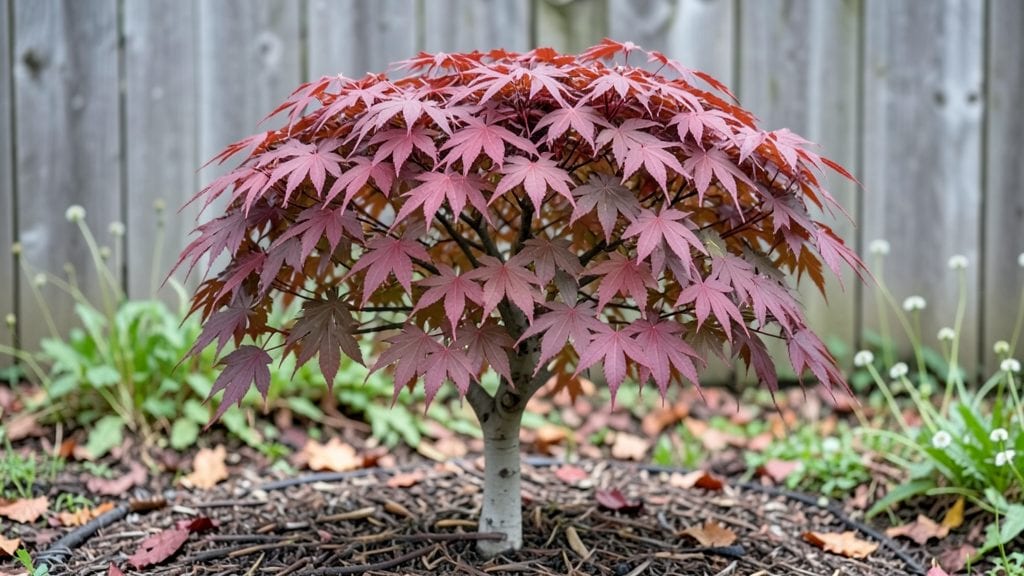
Fall planters breathe new life into your garden when summer blooms fade. 🌿 I’ve learned that the right mix of cold-hardy plants—like pansies, kale, and ornamental grasses—keeps color popping even as temperatures drop.
The secret isn’t complicated: choose plants that love cooler weather and pair them with seasonal textures like pinecones or dried seed heads.
You don’t need fancy supplies—just sturdy containers, well-draining soil, and a little creativity. A 5-gallon pot works for small shrubs, while long window boxes showcase trailing plants like sweet alyssum.
Mulch helps retain moisture, and a drip irrigation line keeps things simple. Most setups take under an hour to assemble, and the results last through frost.
By late fall, your planters will be a vibrant green-and-gold centerpiece, drawing pollinators and neighbors alike. The best part? These same containers can transition to winter interest with evergreens or early spring bulbs. No dead zones here—just year-round charm with minimal effort.
Perfect for patios, porches, or even balcony railings. Whether you’re a first-timer or a seasoned gardener, this approach proves fall can be just as stunning as spring. Let’s get planting!
📚 In This Guide
- What you need
- Instructions
- Tips and common mistakes
- Wrapping up and next steps
What you need
- ● Planters: 2–4 medium to large containers (12–18 inches in diameter) with drainage holes. Pro tip: Terracotta or fiberglass blends seamlessly with fall aesthetics!
- ○ Optional: Hanging baskets (10–12 inches wide) for vertical interest.
- ● Soil: 1 bag of high-quality potting mix (8–10 quarts). Look for a blend labeled for containers or seasonal plants.
- ○ Optional: 1–2 cups of perlite or orchid bark (1–2 quarts) for improved drainage.
- ● Fall Plants: Mums (Chrysanthemums): 3–5 plants (choose fall-blooming varieties like ‘Dahlia’ or ‘Rudolph’).
- ● Ornamental Grasses: 1–2 clumping grasses (e.g., Miscanthus or Pennisetum) for texture.
- ● Heuchera (Coral Bells): 1–2 plants for vibrant foliage (purple, lime, or silver hues).
- ○ Optional: 1–2 fall berries (e.g., Callicarpa or Viburnum) for winter interest.
- ● Decorative Elements: Mulch: 1 bag of pine straw or shredded bark (2–3 cubic feet) to retain moisture and add color.
- ○ Optional: 1–2 fall-themed accents (e.g., mini pumpkins, dried corn stalks, or acorns).
- ● 1 roll of burlap or twine for rustic wrapping (if using wooden planters).
- ● Garden Gloves: 1 pair of durable, breathable gloves (e.g., nitrile-coated for grip).
- ● Trowel or Small Shovel: 1 hand trowel (6–8 inches long) for planting.
- ● Watering Can: 1 lightweight can (1–2 gallons) with a rose nozzle for gentle watering.
- ● Pruners: 1 pair of bypass pruners for trimming grasses or deadheading.
- ○ Optional: 1 spray bottle for misting delicate foliage.
- ● 1 measuring tape (if layering soil or mulch precisely).
- ● Sunlight Assessment: Identify your planter’s light conditions (full sun, partial shade, or full shade) to select the right plants.
- ● Drainage Check: Ensure containers have drainage holes or add a 1-inch layer of pebbles at the bottom if needed.
- ● Weather Prep: Choose a protected spot (e.g., under an awning or against a wall) if your area experiences frost or high winds.
- ● Water Source: Have access to water nearby for the first 2–3 weeks to help plants establish roots.
Step-by-Step instructions for creating garden-inspired fall planters
Bring autumn's rich colors indoors with these planters that blend seasonal charm and year-round resilience.
🪴 Step 1: Select Containers and Layer Drainage
Choose 4 containers with drainage holes—terracotta pots work beautifully for their rustic appeal and breathability. I like mixing sizes: a 12-inch planter as the centerpiece, flanked by two 8-inch pots and a 6-inch shallow dish for trailing plants. Line each container's base with 2-3 inches of gravel or broken pottery to prevent root rot from waterlogging.
This layering ensures excess moisture drains away while keeping roots anchored. If your containers lack drainage, drill holes yourself—just avoid the edges where the pot's structural integrity weakens. Here's the thing: fall planters often stay indoors, so prioritize containers that complement your decor while meeting functional needs.
🌿 Step 2: Create a Moisture-Retentive Base Layer
Add 2 inches of peat moss to each container over the drainage layer. This lightweight material holds moisture while allowing airflow—critical for fall plants that may face fluctuating indoor humidity. Mix in 1 cup of perlite per container to prevent compaction, which can suffocate roots during cooler months.
Moisten this layer until it feels like a wrung-out sponge: damp but not dripping. You'll see why this matters when you add heavier potting mix next. The peat moss acts as a buffer, preventing sudden temperature shifts from drying out the soil too quickly—a common issue in fall when indoor heating kicks in.
🌱 Step 3: Fill With Seasonal Potting Mix and Plant
Fill containers to 1 inch below the rim with 4 gallons of premium potting mix (never garden soil—its density strangles roots in containers). Gently press the mix to eliminate air pockets, then create a 3-inch deep planting well in the center of each container. This ensures your focal plants get proper root establishment.
Place your fall annuals (like chrysanthemums or ornamental kale) in the center wells, then tuck evergreen fillers (like heather or boxwood) around the edges. For trailing plants (like creeping Jenny), let them spill over the container's sides. Water immediately after planting to settle the soil and eliminate air gaps—this first watering is non-negotiable for container stability.
☀️ Step 4: Position for Light and Maintenance
Place your planters near bright, indirect light—a south or east-facing window is ideal. Fall's shorter days mean plants need 6+ hours of light daily to maintain color and vigor. If your space lacks natural light, supplement with a grow light positioned 12 inches above the planters for 10-12 hours daily. You'll notice leaves darkening or stems elongating if light is insufficient.
Water when the top inch of soil feels dry to the touch, typically every 5-7 days in fall. Reduce watering as temperatures drop—overwatering is the #1 killer of container plants in cooler months. Fertilize lightly with ½ strength liquid fertilizer every 4 weeks to support seasonal blooms without encouraging leggy growth.
⏰ Step 5: Transition to Winter Care
As temperatures drop below 50°F, move planters indoors near a cool, bright window or under grow lights. Reduce watering to every 10-14 days, as plants enter dormancy. Prune spent blooms and yellowing leaves to redirect energy to root development—this keeps plants healthy for spring replanting.
Here's where it gets fun: evergreen elements (like pinecones or dried grasses) added now will preserve the planters' autumnal aesthetic through winter. Group your containers together to create a cohesive display—this draws the eye and makes seasonal transitions seamless. With minimal adjustments, your fall planters become a year-round statement piece.
Tips & tricks for perfect garden-inspired fall planters
Creating stunning fall planters that thrive year-round takes a few key insights about seasonal plant care and container dynamics. These tricks will help you avoid common pitfalls while maximizing beauty and longevity.
Container Material Matters: Terracotta pots are ideal for fall planters because they breathe well, preventing root rot from overwatering—a common issue when indoor heating dries the air. If using plastic containers, add an extra ½ inch of gravel to the drainage layer since they retain moisture longer. For decorative appeal, consider glazed ceramic pots, but monitor soil moisture more frequently as they don't wick away excess water like terracotta does.
The Peat Moss Buffer Zone: In Step 2, when adding the 2 inches of peat moss, don't skip the perlite—it creates crucial air pockets that prevent compaction. I've seen roots suffocate when this step is missed, especially in heavier potting mixes. After moistening, squeeze the peat moss layer: it should feel like a damp sponge, not a dripping wet rag. This moisture balance is critical for fall plants transitioning between outdoor and indoor environments.
Lighting Strategy for Fall: The 6+ hours of daily light requirement becomes challenging as days shorten. If your space lacks natural light, position grow lights 12 inches above the planters and run them for the full 10-12 hours. I've noticed that supplemental lighting prevents the leaf darkening that signals light deprivation. For indoor setups, rotate planters weekly to ensure even light exposure across all sides—this prevents lopsided growth that ruins the balanced aesthetic.
Winter Transition Hack: When temperatures drop below 50°F, don't just move planters indoors—acclimate them gradually over 3-4 days. Place them in progressively cooler indoor spots before their final location. This mimics natural temperature shifts and reduces shock. I've found that plants with this gradual transition maintain their autumnal color longer and enter dormancy more smoothly.
Pro Tips for Garden In Fall
- Creating stunning fall planters that thrive year-round takes a few key insights about seasonal plant care and container dynamics.
- Container Material Matters: Terracotta pots are ideal for fall planters because they breathe well, preventing root rot from overwatering—a common issue when indoor heating dries the air.
- The Peat Moss Buffer Zone: In Step 2, when adding the 2 inches of peat moss, don't skip the perlite—it creates crucial air pockets that prevent compaction.
Frequently asked questions
Got questions about keeping your garden vibrant this fall?
You’re not alone! Here are answers to the most common queries about fall planters, from timing to troubleshooting—so you can enjoy seasonal beauty without the guesswork.
When is the best time to plant fall containers?
For most regions, late summer to early fall (around mid-August to mid-September) is ideal. This gives plants time to establish roots before cooler weather. In warmer climates, extend planting into October—just avoid frost-prone areas. Pro tip: Check your USDA Hardiness Zone for precise timing!
Can I reuse last year’s fall planters and soil?
Yes, but with a refresh! Remove old plants, rinse containers, and replace at least half of the soil with fresh, nutrient-rich mix. Add a slow-release fertilizer to boost growth. Skip reusing soil if it’s compacted, diseased, or pest-ridden—start fresh instead!
How do I protect fall planters from frost?
Move containers to sheltered spots (like porches or against walls) before hard frosts. Use burlap wraps or frost cloths for extra insulation. Elevate pots off cold surfaces with feet or bricks, and avoid overwatering—wet soil freezes faster. Bonus: Mulch soil surfaces to retain warmth!
What are the easiest fall flowers/plants for beginners?
Start with low-maintenance stars like mums, pansies, ornamental kale, or sedum. Herbs (e.g., rosemary, thyme) and evergreen shrubs (like boxwood) also thrive. Choose disease-resistant varieties to skip the hassle!
What if my fall planter looks sad by November?
Don’t panic! Trim dead foliage, add a light layer of compost, and reduce watering (overwatering stresses plants). Swap out wilting annuals for winter pansies or hellebores for late-season color. Remember: Some plants (like grasses) look “brown” but stay alive—just wait for spring!
Can I use seasonal decor in fall planters?
Add mini pumpkins, pinecones, or dried flowers for cozy charm. Just avoid blocking drainage holes. For a low-maintenance touch, try weather-resistant ornaments (like ceramic gnomes) that stay put through rain!
Wrapping up and next steps
Fall is the perfect time to bring your garden’s charm indoors with stunning planters that keep blooming long after summer fades! 🍂 Whether you’re a seasoned gardener or just starting out, these seasonal designs prove that beauty thrives with a little creativity and care. Start small—pick one planter to try this week—and watch your space transform into a cozy, ever-changing oasis.
Ready to dive in? Grab your supplies, get planting, and enjoy the seasonal magic! 🌿✨