
Tools
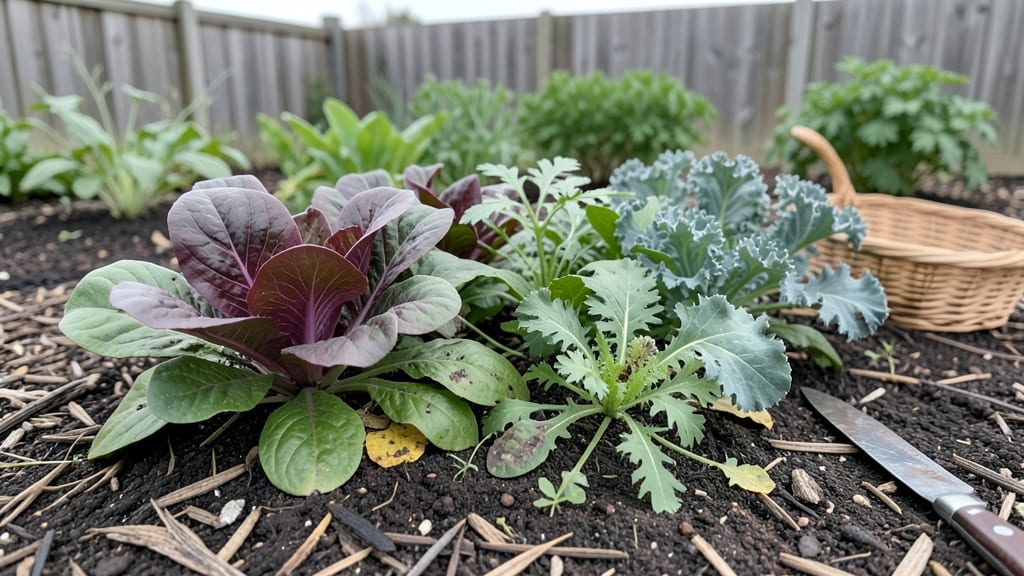
A garden fresh salad starts with crisp lettuce, peppery arugula, sweet cherry tomatoes, and fragrant herbs like basil or cilantro—all thriving in well-draining soil with 6+ hours of sunlight daily. Begin seeds indoors 4-6 weeks before last frost, then transplant when soil reaches 50°F. Raised beds or containers maximize harvests, while mulch preserves moisture and deters weeds. Morning harvests preserve peak flavor, and planting new seeds every 2-3 weeks ensures a steady supply.
Growing your own salad greens isn't just rewarding—it's easier than you think. 🌱 The secret lies in selecting fast-growing crops that adapt to your climate, like cold-hardy spinach or heat-loving Swiss chard.
These varieties let you extend harvests well beyond traditional seasons with simple row covers or even a small greenhouse. I’ve found that a mix of leafy greens and herbs not only boosts flavor but also deters pests naturally, reducing the need for harsh chemicals.
For best results, focus on soil health first—amend with compost to improve drainage and nutrient retention. A drip irrigation system keeps roots consistently moist without overwatering, while strategic spacing prevents competition for sunlight.
Even small balconies can produce enough greens for weekly salads with the right container setup. The key is consistency: a little daily care yields a harvest that’s fresher—and tastier—than anything store-bought.
💡 In This Article
- 5 Fast-Growing Crops for Year-Round Salad Greens
- Salad Garden Layout Tips for Maximum Yield
5 Fast-growing crops for year-round salad greens
Leafy greens like arugula and spinach thrive in cooler temperatures (ideal range: 45-65°F) because their growth slows in heat, preventing bolting—the rapid flowering that makes leaves bitter. These crops grow best with 4-6 hours of sunlight daily and prefer slightly acidic soil (pH 6.0-7.0).
Their shallow root systems absorb nutrients quickly, which is why compost-rich soil keeps them vibrant. The key is their 30-50 day harvest window, perfect for quick succession planting.
Radishes and microgreens are the speedsters of the salad garden. Radishes mature in just 25-30 days and tolerate both cool and mild temperatures, making them ideal for early spring or fall plantings.
Microgreens, like broccoli sprouts or radish greens, sprout in 7-14 days and require only 3-4 hours of light daily. Their rapid growth means you can harvest multiple batches from the same tray.
Herbs like basil and cilantro thrive in warmer conditions (70-85°F) and prefer well-draining soil to prevent root rot.
Dwarf tomatoes (cherry or grape varieties) are the workhorses of year-round salad gardens. They tolerate partial shade and produce fruit even in 55-65°F temperatures, extending harvests into cooler months. Their compact growth (2-3 feet tall) makes them perfect for containers or small spaces.
The trick is to plant them in late spring or early summer for a fall harvest, using floating row covers to protect against early frosts.
To extend harvests in winter, use low tunnels or row covers to trap heat and protect plants from frost. These create a 5-10°F warmer microclimate, allowing cold-hardy greens like kale or Swiss chard to thrive even when temperatures dip to 20°F.
For herbs, bring pots indoors near a sunny window or use a grow light for 12-14 hours daily to maintain growth.
Here’s what works best by season:
- Spring: Direct-sow radishes, spinach, and arugula when soil reaches 40°F—they’ll tolerate light frosts.
- Summer: Plant heat-tolerant Swiss chard, basil, and dwarf tomatoes in partial shade to prevent bolting.
- Fall: Succession-plant microgreens and radishes every 2 weeks for continuous harvests.
- Winter: Use row covers to protect greens like kale, which stays crisp at 32-40°F.
The science behind these crops’ adaptability lies in their photoperiod sensitivity—how they respond to daylight length. Short-day plants (like lettuce) bolt when days lengthen, while long-day plants (like radishes) thrive in cooler, shorter days.
By choosing varieties with the right sensitivity, you can tailor your garden to your local climate’s daylight patterns. 💫
For a year-round salad garden, start with 3-4 varieties that complement each other’s growth cycles. For example, pair fast-growing radishes with slower spinach—harvest the radishes in 3 weeks, then use the space for spinach. This interplanting strategy maximizes space and ensures a steady supply of fresh greens.