Planting
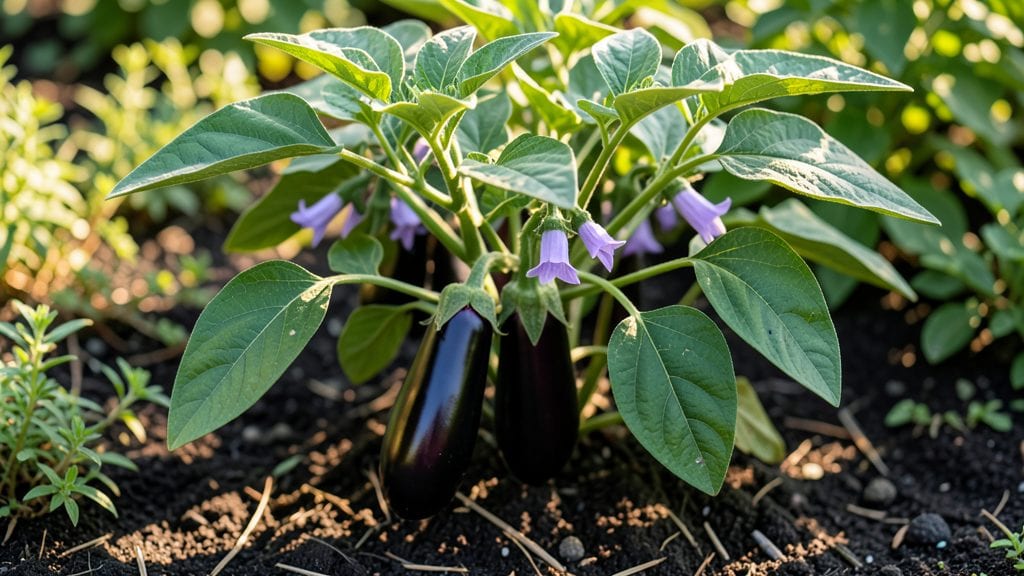
Growing eggplants in your garden delivers glossy purple fruits that rival anything from the store. 🌱 I learned the hard way that these plants need warmth and patience—my first crop bolted in the heat, but now I grow them reliably every summer with just a few key adjustments.
The secret lies in rich, well-draining soil and consistent moisture—eggplants hate soggy roots but dry out fast in hot weather.
Start seeds indoors 8-10 weeks before your last frost, then transplant seedlings into full sun (at least 6-8 hours daily) when nighttime temps stay above 55°F. Varieties like 'Black Beauty' or 'Ichiban' thrive in home gardens, producing fruit in about 70 days.
You’ll know they’re ready to harvest when the skin turns glossy and firm, and the stem meets the fruit at a right angle. A single healthy plant yields 5-10 eggplants, and the flavor—rich, slightly sweet—makes every effort worth it.
The key is watching for pests like flea beetles and diseases such as powdery mildew, which thrive in humid conditions.
Works best in warm climates (zones 7-11), but even cooler regions can grow them with row covers and proper timing. Let’s turn those seeds into a bountiful harvest this season!
📚 In This Guide
- What you need
- Instructions
- Tips and common mistakes
- Wrapping up and next steps
What you need
- ● Eggplant seeds or seedlings: Choose disease-resistant varieties like 'Black Beauty' or 'Ichiban.' Start with 3–5 seeds or 2–3 seedlings per plant (thin to the strongest sprout).
- ● Well-draining potting mix: 5–10 gallons of a blend with 50% compost (eggplants love nutrients!).
- ● Containers or garden bed: Containers: 5-gallon pots or larger (eggplants need space—12–18 inches deep and 18+ inches wide).
- ● Garden bed: Full sun (6+ hours/day) and loamy, fertile soil with a pH of 6.0–6.8.
- ● Fertilizer: A balanced 10-10-10 NPK or organic options like composted manure or fish emulsion (apply every 2–3 weeks after planting).
- ● Watering can or hose: With a gentle spray nozzle to avoid disturbing soil.
- ● Stakes or cages: 6-foot tall bamboo stakes or tomato cages (eggplants grow 2–3 feet tall and need support!).
- ● Pruning shears: For trimming leggy stems or removing flowers if you want to focus on foliage.
- ● Mulch (straw or shredded leaves): 2–3 inches to retain moisture and suppress weeds.
- ● pH test kit: To monitor soil acidity (eggplants are picky!).
- ● Row covers or shade cloth: For young plants if your climate has hot afternoons or pests.
- ● Gloves: To protect your hands while handling prickly stems or soil.
Step-by-Step instructions for growing eggplants in your garden
Here’s how to grow healthy, productive eggplants from seed to harvest—no guesswork involved.
🌱 Step 1: Start Seeds Indoors 8-10 Weeks Before Last Frost
Fill seed trays with the seed-starting mix to within ½ inch of the rim and press lightly to settle. Plant 2-3 seeds per cell at a depth of ¼ inch, just below the soil surface. I like to use a toothpick to make small holes—it keeps seeds perfectly spaced and prevents overcrowding later.
Cover the trays with a clear plastic dome or plastic wrap to retain moisture and warmth. Place them in a warm spot (70-80°F) until germination, which typically takes 7-14 days. A seedling heat mat speeds things up significantly if your home runs cooler. Keep the soil consistently moist but never soggy—damping-off fungus can wipe out seedlings overnight.
☀️ Step 2: Harden Off and Transplant After All Danger of Frost
Once seedlings have 3-4 true leaves (not just the initial seed leaves), start hardening them off. Move them outside for 1-2 hours the first day, gradually increasing time over 7-10 days until they’re out all day. Choose a partially shaded spot to avoid scorching delicate leaves.
Transplant seedlings into the garden after the last frost date when soil temperatures reach at least 60°F. Space plants 18-24 inches apart in rows 2-3 feet apart for good airflow. Dig holes slightly deeper than the root ball and firm soil around the base—this encourages strong root growth. Water deeply right after planting to settle the soil.
💧 Step 3: Provide Consistent Water and Fertility
Eggplants thrive with 1-2 inches of water per week, delivered at the base of the plant to avoid wetting leaves (which spreads disease). I water in the early morning so foliage dries quickly. Mulch around plants with 2-3 inches of straw to retain moisture and suppress weeds—this saves time and keeps soil temperatures steady.
Feed plants every 2-3 weeks with a balanced liquid fertilizer (10-10-10 or similar) once they’re established. I dilute it to half-strength to avoid burning roots. Watch for signs of nutrient deficiency: yellowing leaves often mean nitrogen is low, while stunted growth signals phosphorus needs. Adjust accordingly, but don’t overdo it—eggplants prefer lean soil.
✂️ Step 4: Prune and Support for Maximum Yield
Pinch off the first few flowers that appear to encourage bushier growth. Once the plant reaches 12-18 inches tall, prune side shoots to focus energy on the main stem and fruit. Remove any yellow or diseased leaves immediately—eggplants are prone to fungal issues in humid weather, and prompt action prevents spread.
Stake or cage plants when they’re 6-8 inches tall to support heavy fruit. I use 5-foot bamboo stakes tied loosely with soft twine—tight bindings can damage stems as plants grow. Prune suckers (the small shoots that form in the leaf axils) regularly to improve airflow and fruit quality. This step might feel tedious, but it’s worth it for larger, healthier eggplants.
🍆 Step 5: Harvest at Peak Ripeness for Best Flavor
Harvest eggplants when they’re 6-8 inches long and firm to the touch. Glossy skin and deep color indicate maturity—don’t wait until they turn soft or wrinkled. Use a sharp knife or pruners to cut the fruit from the stem, leaving a small portion attached to avoid damaging the plant.
Harvesting encourages more production, so check plants every 2-3 days during peak season. Store eggplants in the fridge for up to 5 days or use them fresh in recipes. If you miss a fruit, don’t worry—eggplants produce continuously until frost. Just keep up with regular harvesting to keep the plant motivated!
Tips & tricks for growing healthy eggplants
These simple strategies will help you avoid common pitfalls and maximize your eggplant harvest from seed to table.
Seed Starting Secret: In Step 1, when planting your 2-3 seeds per cell, label your trays immediately with the planting date. This helps track germination timelines, especially since those 7-14 days can vary based on your warm spot's consistency. I also recommend using a pencil to mark the depth of the ¼-inch planting hole—it's easy to plant too deep, which can delay or prevent germination.
Hardening Off Hack: During the 7-10 day hardening process in Step 2, I've found that moving seedlings to a spot with dappled sunlight (like under a tree) helps them adjust better than full sun. Watch for wilting—this is normal during the first few days as they acclimate. If you notice this, simply move them back to shade for another hour and try again the next day.
Transplant Timing Tip: Don't rush transplanting in Step 2 just because your seedlings have 3-4 true leaves. Wait until soil temperatures consistently reach that 60°F minimum—cold soil can stunt root growth. I test soil temperature with a thermometer in the morning; if it's below 60°F, wait another day or two. The extra patience pays off with stronger plants.
Pruning Strategy: When pruning side shoots in Step 4, focus on removing only the ones growing below the first flower cluster. This maintains airflow while still allowing the plant to develop its natural structure. I also recommend using clean, sharp pruners to make clean cuts—this prevents disease entry points that can lead to fungal issues in humid weather.
Pro Tips for Eggplant Plant Garden
- These simple strategies will help you avoid common pitfalls and maximize your eggplant harvest from seed to table.
- Seed Starting Secret: In Step 1, when planting your 2-3 seeds per cell, label your trays immediately with the planting date.
- Hardening Off Hack: During the 7-10 day hardening process in Step 2, I've found that moving seedlings to a spot with dappled sunlight (like under a tree) helps them adjust better than full sun.
Frequently asked questions
Got questions about growing eggplants in your garden? You’re not alone! Here are answers to the most common queries to help you cultivate a thriving harvest.
How long does it take for eggplant plants to grow and produce fruit?
Eggplant plants typically take 70–90 days from seed to harvest, depending on the variety. If you start with transplants, expect fruit in 60–80 days. Warmth speeds things up—eggplants love heat and won’t produce well in cool weather. For faster results, choose early-maturing varieties like Black Beauty or Ichiban.
Can eggplants survive frost or cold temperatures?
Nope! Eggplants are tender perennials that thrive in warmth (70–90°F) and wilt or die in frost (<32°F). Start seeds indoors 8–10 weeks before your last frost date, then transplant after soil temps hit 55°F+. If you live in a short-season climate, opt for fast-growing varieties or extend the season with row covers.
What are the most common pests or diseases affecting eggplant plants?
Watch for aphids, flea beetles, and spider mites (they chew leaves), plus blossom end rot (from uneven watering) and powdery mildew (white fungal spots). Prevent pests with neem oil or companion planting (basil, marigolds). For diseases, ensure good airflow and water at the base—not leaves—to keep plants healthy.
Can I grow eggplants in containers, or do they need a full garden bed?
Eggplants adapt well to containers (5+ gallons) as long as they get 6+ hours of sun and deep, well-draining soil. Dwarf varieties like Fairy Tale or Patio Baby are perfect for pots. Just fertilize regularly (every 2–3 weeks) and prune suckers to encourage bushier growth. Pro tip: Use a self-watering pot to avoid drought stress!
Why aren’t my eggplant flowers turning into fruit?
If flowers drop off or fruit doesn’t set, it’s often due to temperature stress (too hot or cold), lack of pollinators, or over-fertilizing with nitrogen (which boosts leaves, not fruit). Try hand-pollinating with a small brush, ensuring temps stay 55–90°F, and switch to a low-nitrogen, high-phosphorus fertilizer (like 5-10-10) to encourage fruiting.
Still stumped? Drop your question in the comments—we’re happy to help your eggplants thrive!
Wrapping up and next steps
Growing your own eggplant plant garden is a rewarding journey that connects you to nature while filling your kitchen with fresh, flavorful produce! 🌱 With the right soil, sunlight, and care, you’ll enjoy a bountiful harvest of glossy, vibrant eggplants—perfect for grilling, roasting, or adding to your favorite dishes.
Whether you're a beginner or seasoned gardener, every seed you plant is a step toward a healthier, more sustainable lifestyle.
Ready to take the next step? Start small, experiment with varieties, and watch your garden thrive! 🌿 Share your progress with fellow gardeners, and soon, you’ll be savoring homegrown eggplants straight from your very own garden.