
Tools
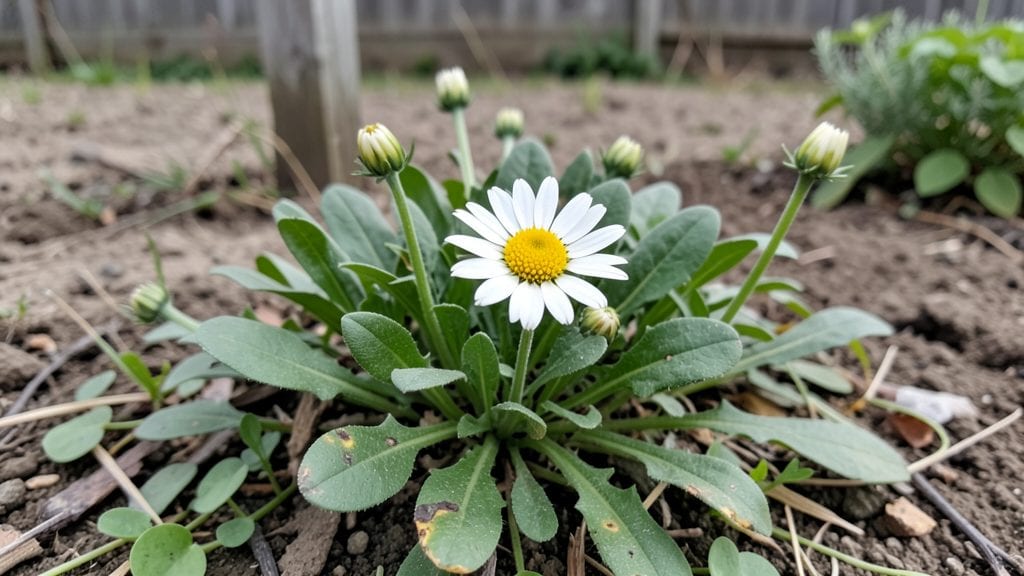
Daisies for garden design are the ultimate low-maintenance stars that steal the show without demanding your time. 🌼 I’ve turned my yard into a blooming paradise by weaving them into borders, cutting gardens, and even as edging—where they thrive with almost no care.
The secret lies in their versatility: they pair beautifully with lavender, salvia, and even bold purples, creating a cottage-core vibe that feels effortless yet polished.
Start with a mix of heights—tall varieties like Shasta daisies (3-4 feet) as focal points, and shorter types (1-2 feet) for borders. Plant them in clusters of 5-7 for a natural, full look, and space them 12-18 inches apart.
They handle poor soil, drought, and even partial shade, making them perfect for problem spots. My go-to combo? White daisies with deep purple coneflowers—they pop against each other and attract butterflies all season.
What you’ll love most is how they keep blooming from early summer through fall, with some varieties even pushing into winter. The petals stay crisp in cool weather, and the centers add texture when dried for arrangements.
Plus, they self-seed minimally, so you’ll have fresh faces popping up year after year without replanting. Think of them as the garden’s built-in filler—they fill gaps, hide weeds, and always look intentional.
For a true showstopper, try a "daisy moon garden" with silver foliage plants like lamb’s ear or dusty miller around the edges. The contrast makes the blooms glow, especially at dusk.
Even urban containers work—just mix them with trailing thyme or ornamental grasses for height. The best part? They’re foolproof for beginners but sophisticated enough to impress landscape pros.
📚 In This Guide
- What you need
- Instructions
- Tips and common mistakes
- Wrapping up and next steps
What you need
- ● Daisy plants: Choose between Oxeye Daisies (for bold blooms), Shasta Daisies (taller and elegant), or Gerbera Daisies (vibrant colors). Aim for 5–10 plants per 100 sq. ft. of garden space.
- ● Potting soil: 1–2 bags (1.5–2 cubic feet each) of high-quality, well-draining potting mix (e.g., Miracle-Gro Garden Soil or a peat-based blend).
- ● Compost or organic fertilizer: 1 bag (20–30 lbs) of balanced 10-10-10 or slow-release fertilizer to enrich the soil.
- ● Mulch: 1–2 bags (1–2 cubic feet) of organic mulch (e.g., shredded bark or straw) to retain moisture and suppress weeds.
- ● Garden gloves: A pair of durable, breathable gloves (e.g., Wolverine Waffle Grip) to protect your hands.
- ● Hand trowel: 1 (5–6 inch) for planting and transplanting.
- ● Garden fork: 1 (heavy-duty, 18-inch) for aerating soil.
- ● Pruners: 1 pair of bypass pruners (e.g., Felco) for trimming dead blooms.
- ● Watering can or hose: A 3–5 gallon can with a rose nozzle for gentle watering.
- ● Measuring tape: 1 (25-foot) to plan spacing.
- ● Garden stakes or trellis: For taller daisies (e.g., Shasta Daisies), use 3–5 stakes (5–6 feet tall).
- ● Drip irrigation system: Automates watering (e.g., Rain Bird kits).
- ● Decorative stones or pebbles: 1–2 bags (20 lbs each) to add texture and deter weeds.
- ● Garden kneeler: 1 for comfort during planting.
- ● Plant labels: 10–20 biodegradable tags to track varieties.
Step-by-Step instructions for planting a daisy garden
Here’s how to create a vibrant, low-maintenance daisy garden that keeps blooming all season long—without the fuss!
🌱 Step 1: Choose Your Daisy Varieties and Planting Spots
Daisies thrive in full sun, so pick a location with at least 6-8 hours of sunlight daily. I love mixing gerbera daisies for bold color with shasta daisies for classic charm. For a year-round display, include everblooming varieties like the 'White Swan' or 'Mignonette' daisies—they keep flowering from spring through fall.
Check your garden’s drainage—daisies hate soggy roots, so avoid low-lying areas where water pools. If your soil feels heavy, mix in 1-2 inches of compost to improve airflow. I always mark the planting area with stakes to visualize the layout before digging.
🪴 Step 2: Prepare the Soil for Healthy Growth
Loosen the soil to a depth of 12 inches with a garden fork or tiller. Daisies prefer well-draining soil with a slightly acidic to neutral pH (around 6.0-7.0). If your soil is clay-heavy, work in 1 part sand for every 3 parts soil to prevent compaction.
Spread a 2-inch layer of organic mulch (like shredded bark or straw) around the base of each plant after planting. This keeps moisture in, suppresses weeds, and regulates soil temperature—critical for daisies in hot climates. Just avoid piling mulch against stems to prevent rot.
☀️ Step 3: Plant Daisy Starts or Seeds at the Right Time
For the easiest results, plant daisy starts in early spring after the last frost date. Space them 12-18 inches apart—closer for smaller varieties like 'Coca-Cola' daisies, wider for larger blooms. Dig a hole twice as wide as the root ball and place the plant in, backfilling with soil until the crown sits just above ground level.
If starting from seed, sow in late spring after soil temperatures reach 60°F. Press seeds ¼ inch deep and keep the soil consistently moist until germination (usually 7-14 days). Watch for the first true leaves—this is your signal to thin seedlings to the strongest plants, leaving 12 inches between them.
💧 Step 4: Water and Fertilize for Continuous Blooms
Water deeply 1-2 times per week, aiming for 1 inch of water per week. Daisies are drought-tolerant once established, but consistent moisture during the first growing season ensures strong roots. Water at the base to avoid wetting leaves, which reduces fungal diseases like powdery mildew.
Feed plants with a balanced, slow-release fertilizer (like 10-10-10) at planting time and again in early summer. Deadhead spent blooms regularly—snip off faded flowers just above the next set of leaves. This encourages nonstop blooming and keeps your garden looking fresh. I do this every 2-3 days during peak bloom season.
✂️ Step 5: Prune and Maintain for Year-Round Beauty
Cut back daisies by one-third in early spring to promote bushier growth. In fall, trim back any dead or damaged stems, but leave the foliage until the first hard frost. This protects the roots over winter and gives early blooms a head start in spring.
Divide mature daisy clumps every 3-4 years in early spring. Dig up the plant, separate the crowns, and replant sections in fresh soil. This rejuvenates the plants and gives you free extra daisies for borders or gifts. Watch for new growth in 2-3 weeks—that’s your sign the division worked!
Tips & tricks for perfect daisy garden design
Here's what I've learned after years of growing daisy gardens—these little tricks make all the difference for vibrant, long-lasting blooms!
Sunlight Strategy: Those 6-8 hours of sunlight are non-negotiable for daisies! If your garden only gets partial sun, choose shade-tolerant varieties like 'White Swan' daisies which handle 4-6 hours better than others. I've found that morning sun with afternoon shade works surprisingly well in hot climates—just avoid harsh afternoon rays that can scorch petals.
Soil Prep Secret: When loosening soil to 12 inches deep in Step 2, don't just scratch the surface—really dig down! This creates room for roots to establish properly. Pro tip: Test your soil's pH before amending—if it's already perfect (around 6.0-7.0), skip the compost and just focus on drainage. I've ruined perfectly good soil by over-amending!
Seed Starting Hack: For seeds planted at 60°F soil temperatures, I've found that covering the seed tray with plastic wrap creates a mini greenhouse effect. This speeds germination from 7-14 days to just 5-7 days while keeping moisture consistent. Just remove the plastic once sprouts appear to prevent mold.
Watering Wisdom: The 1 inch per week rule is perfect, but here's the thing: water in the morning! This gives leaves time to dry completely before evening, preventing fungal diseases. I use a soaker hose at the base of plants to deliver water exactly where roots need it—no waste, no wetting leaves. For container daisies, I've found they need watering every other day in summer heat.
Pro Tips for Daisy For Garden
- Here's what I've learned after years of growing daisy gardens—these little tricks make all the difference for vibrant, long-lasting blooms!
- Sunlight Strategy: Those 6-8 hours of sunlight are non-negotiable for daisies!
- Soil Prep Secret: When loosening soil to 12 inches deep in Step 2, don't just scratch the surface—really dig down!
Frequently asked questions
What’s the best time of year to plant daisies for continuous blooms?
For year-round color, plant perennial daisies (like Shasta or Gerbera) in early spring (after the last frost) or early fall (6–8 weeks before the first frost). Annuals (e.g., African daisies) can go in spring or summer—just water them well until established!
How much sunlight do daisies really need, and what if my garden is shady?
Most daisies thrive in full sun (6+ hours/day), but part shade (3–6 hours) works for varieties like Oxeye daisies. If your garden is shady, opt for Japanese or Spider daisies, which tolerate 2–4 hours of sun. Just expect fewer blooms in deep shade.
Why aren’t my daisies blooming, even though they look healthy?
Over-fertilizing (especially with high-nitrogen feed) promotes foliage over flowers. Deadhead spent blooms regularly to encourage new buds. Also, check for crowding—daisies need 12–24 inches of space to bloom well. If they’re still sluggish, they might need more sun or well-draining soil.
Can I mix daisies with other flowers, and if so, which ones pair best?
Daisies complement many flowers. Try pairing them with:
- Contrast colors: Purple salvia or blue delphinium (classic combo!)
- Texture: Spiky black-eyed Susans or feathery ferns
- Height variation: Tall sunflowers behind shorter daisies
Are daisies deer- or pest-resistant? What should I watch for?
Most daisies are deer-resistant, but deer may nibble young plants—try repellent sprays or fencing. For pests:
- Aphids: Spray with soapy water or introduce ladybugs.
- Japanese beetles: Handpick or use neem oil.
- Powdery mildew: Improve airflow and avoid overhead watering.
Wrapping up and next steps
Transforming your garden into a year-round daisy haven is easier—and more rewarding—than you think! 🌼 With the right varieties, a little planning, and minimal upkeep, you’ll enjoy vibrant blooms that brighten every season.
Whether you’re a beginner or a seasoned gardener, daisies offer effortless beauty and versatility, proving that stunning results don’t require endless work.
Ready to take the next step? Start small—pick one or two daisy varieties to plant this weekend, or sketch a simple layout to visualize your dream garden.
Before you know it, you’ll be surrounded by cheerful faces that bring joy (and maybe even a few compliments from neighbors!). Happy gardening! 🌱✨