Landscaping
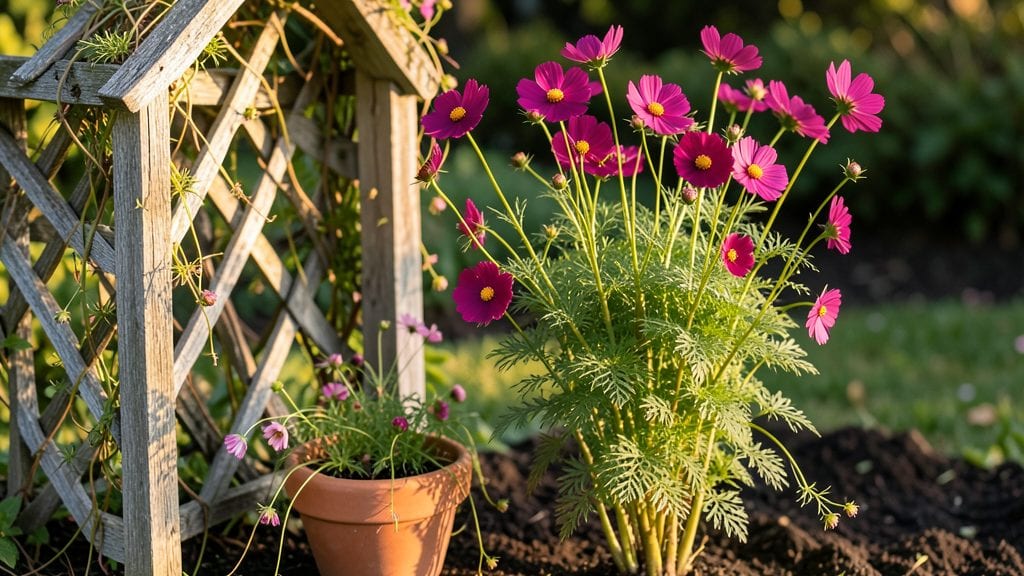
Creating a cosmos garden design that pops off the page starts with height contrast—those feathery blooms reaching 4-5 feet tall while low-growing companions frame them like a living painting. ✨ I learned this the hard way after planting a flat expanse of cosmos and realizing how much more dramatic they looked when paired with deep purple salvias and airy lavender.
The secret isn't just the flowers themselves, but how they layer with other plants to create movement and depth.
You'll want cosmos in clusters of 3-5 plants spaced 12-18 inches apart, mixed with shorter perennials like black-eyed Susans or Russian sage to anchor their towering stems. For a cottage garden feel, add climbing roses or clematis nearby—cosmos will weave through them naturally.
Modern designs work best with clean lines, so pair them with ornamental grasses and boxwoods for sharp contrast. The key is letting cosmos take center stage while supporting plants keep the look cohesive.
What you end up with is a garden that feels alive in every season—cosmos start blooming in midsummer and keep going until frost, their papery petals catching light like scattered confetti.
Bees and butterflies will swarm the vertical displays, and you'll find yourself reaching for the camera more often than the pruners. The best part? Cosmos self-seed like crazy, so next year's garden designs themselves around last year's successes.
Works for sunny borders, pollinator meadows, or even container arrangements on patios. The same principles apply whether you're filling a small corner or a full backyard—just adjust the spacing and companion plants to fit your space. Let's bring that vertical drama to life!
📚 In This Guide
- What you need
- Instructions
- Tips and common mistakes
- Wrapping up and next steps
What you need
- ● Cosmos bipinnatus seeds or seedlings – Choose a variety like 'Bright Lights' or 'Double Click' for vibrant blooms. Aim for 10–15 plants per vertical structure for full coverage.
- ● Vertical garden structures – Options include: Trellises (6–8 ft tall, metal or wooden)
- ● Obelisks (5–7 ft, lightweight for easy placement)
- ● Wall-mounted planters (with drainage holes)
- ● Macramé hangers (for trailing varieties)
- ● Potting soil – Use a well-draining mix (e.g., 60% potting soil + 30% perlite + 10% compost).
- ● Slow-release fertilizer – Granular or spike form (e.g., 10-10-10 NPK ratio) for seasonal feeding.
- ○ Mulch (optional but recommended) – Shredded bark or straw to retain moisture.
- ● Hand trowel – For planting and soil prep
- ● Garden gloves – Protect your hands from thorns (if using rustic trellises)
- ● Watering can or hose with nozzle – Cosmos thrive with consistent moisture but hate soggy roots.
- ● Pruning shears – To shape plants and encourage bushiness
- ● Measuring tape – For spacing plants 12–18 inches apart
- ○ Support stakes (optional) – For windy areas, use bamboo stakes to secure taller varieties.
- ● Sunlight – Full sun (6+ hours daily) is a must for cosmos to reach their dramatic heights!
- ● Well-draining location – Avoid low spots where water pools
- ● Wind protection (if needed) – Cosmos can flop in strong breezes; opt for sheltered spots or sturdy supports.
- ● Seasonal timing – Plant seeds after the last frost (spring/summer) or in fall for winter blooms in mild climates.
Instructions for creating a cosmos garden with vertical drama
Here's how I design cosmos gardens that pop with height and color—no fancy tools required.
🌱 Step 1: Choose Your Cosmos Varieties for Height Contrast
Start by selecting cosmos varieties that range from 18 inches to 5 feet tall. I like pairing dwarf cosmos ('Purity' or 'Bright Lights') with tall cosmos ('Sensation' or 'Seashells') for dramatic vertical layers. Plant 4-5 dwarf cosmos in the front row and 3-4 tall cosmos in the back—this creates natural depth without overcrowding.
Dig holes twice as wide as the root ball but only as deep as the container they came in. Loosen the roots gently if they're circling—cosmos hate being planted too deep. Space the tall cosmos 18-24 inches apart and the dwarf varieties 12 inches apart. This spacing lets them spread naturally without competing for light.
☀️ Step 2: Position for Maximum Sun and Airflow
Cosmos thrive in full sun, so pick a spot that gets at least 6-8 hours of direct sunlight daily. I always plant mine where they'll get morning sun and afternoon shade if your climate runs hot—this prevents the flowers from wilting in peak afternoon heat. Avoid low-lying areas where water pools after rain.
Arrange the tall cosmos toward the north or west side of the bed so they don't shade the shorter varieties. If you're using a trellis or tall stakes, position them 6-8 inches behind the tallest cosmos to let the flowers lean naturally against the support. Cosmos stems are strong enough to support themselves, but a little guidance keeps them upright in windy areas.
💧 Step 3: Water Deeply and Mulch to Retain Moisture
Water the newly planted cosmos deeply right after planting—stick your finger 2 inches into the soil and keep watering until moisture reaches that depth. Cosmos are drought-tolerant once established, but young plants need consistent moisture to root well. I water every 2-3 days for the first two weeks, then taper to once a week once they're actively growing.
Spread 2-3 inches of mulch around each plant, keeping it 3 inches away from the stems to prevent rot. I use straw or shredded leaves because they break down slowly and add nutrients to the soil. Mulch helps retain moisture and keeps the soil cool, which is especially important in hot climates where cosmos can bolt (go to seed) too quickly.
✂️ Step 4: Prune for Bushier Growth and Longer Blooms
Once your cosmos reach 12-18 inches tall, pinch back the top set of leaves with your fingers. This encourages the plant to branch out instead of growing tall and leggy. I do this once in early summer and again in mid-summer if the plants look sparse. You'll see new side shoots emerge within 7-10 days—that's your signal it's working.
Deadhead spent blooms by snipping the stem just above a set of leaves with clean shears. This redirects the plant's energy into producing more flowers instead of seeds. Cosmos are self-cleaning, but regular deadheading keeps them blooming throughout the season instead of all at once. If you notice any leaves turning yellow or wilting, trim those off immediately to prevent disease from spreading.
🌿 Step 5: Add Vertical Accents for Extra Drama
To amplify the height contrast, weave ornamental grasses or tall flowers like sunflowers into the back of the bed. I like using feather reed grass or switchgrass because they add movement and texture. Plant them 6-12 inches behind the tallest cosmos so they don't compete for space but still contribute to the vertical effect.
For a whimsical touch, add arching trellises or obelisks near the cosmos. The delicate cosmos blooms will spill over the top, creating a waterfall effect. If you're using stakes, insert them gently so you don't damage the roots. Cosmos are lightweight and will lean naturally, but a little support keeps them looking intentional rather than floppy.
Tips & tricks for perfect cosmos garden design
Creating a cosmos garden with bold vertical drama doesn't require a green thumb—just these simple tricks to maximize height and color. Here's what I've learned from years of designing show-stopping cosmos displays.
Variety Selection Matters: When choosing your cosmos varieties, look for a mix that spans the full height spectrum—dwarf cosmos ('Purity') at 18 inches and tall cosmos ('Sensation') up to 5 feet. I've found that planting 4-5 dwarf cosmos in the front creates a perfect base, while 3-4 tall cosmos in the back adds that wow factor. This arrangement prevents overcrowding while maximizing vertical impact. The key is creating natural depth, so don't be afraid to let the taller varieties lean slightly—it adds organic movement to your design.
Sunlight Strategy: The 6-8 hours of direct sunlight mentioned in Step 2 is non-negotiable for cosmos, but here's the pro move: position your garden to catch morning sun and afternoon shade if your climate runs hot. I've seen cosmos wilt dramatically in peak afternoon sun, so this simple adjustment can make all the difference. For extra protection, consider planting near a north or west-facing wall—it provides that afternoon shade naturally while keeping your cosmos happy and blooming.
Pruning for Prolonged Blooms: That pinch-back technique in Step 4 is a game-changer for bushier growth, but timing is everything. I wait until plants reach exactly 12-18 inches before pinching—any earlier and you'll stunt their growth. After pinching, you'll notice new side shoots emerging within 7-10 days, but here's the secret: don't pinch again until those new shoots reach 6-8 inches tall. This staggered approach keeps your cosmos blooming continuously throughout the season instead of all at once.
Support System: While cosmos stems are strong, adding support creates that intentional, designed look. For the tallest varieties, I recommend using 6-8 inch tall stakes positioned 6-8 inches behind the plants. Insert them gently at a slight angle—this creates a more natural lean while providing stability. If you're using trellises, choose ones with open weave so the delicate cosmos blooms can spill through without getting tangled.
Pro Tips for Cosmos Garden Design
- Creating a cosmos garden with bold vertical drama doesn't require a green thumb—just these simple tricks to maximize height and color.
- Variety Selection Matters: When choosing your cosmos varieties, look for a mix that spans the full height spectrum—dwarf cosmos ('Purity') at 18 inches and tall cosmos ('Sensation') up to 5 feet.
- Sunlight Strategy: The 6-8 hours of direct sunlight mentioned in Step 2 is non-negotiable for cosmos, but here's the pro move: position your garden to catch morning sun and afternoon shade if your climate runs hot.
Frequently asked questions
Got questions about creating a cosmos garden design that packs vertical drama?
Here are answers to the most common ones—from planning to troubleshooting!
What’s the best time of year to plant cosmos for maximum height and bloom?
For bold vertical impact, plant cosmos seeds 2–3 weeks after your last frost date (spring) in most climates. They thrive in warm soil (60°F+), so avoid early planting—they’ll bolt or flop. In cooler regions, opt for Cosmos bipinnatus varieties, which handle light frosts better. Pro tip: Succession plant every 2–3 weeks for continuous blooms!
Can I mix cosmos with other vertical plants, or will they compete?
Cosmos love companions like cleome (spider flower), rudbeckia, or tall grasses (e.g., Miscanthus) for layered drama. Just avoid heavy feeders like tomatoes—they’ll outcompete cosmos for nutrients. Design hack: Pair with dwarf cosmos (like ‘Bright Lights’) at the base for contrast!
Why are my cosmos leaning or flopping instead of standing tall?
Floppy cosmos usually mean one of three issues:
- Overcrowding: Thin seedlings to 12–18" apart—they need airflow to stiffen stems.
- Poor soil: Amend with compost for sturdy roots. Avoid heavy clay.
- No support: Stake tall varieties (like ‘Sensation’) with bamboo stakes or a peewee tree guard at planting.
Quick fix: Prune leggy stems by 1/3 to encourage bushier growth!
How can I add height contrast without using traditional trellises?
Skip the clunky trellises! Try these cosmos-friendly alternatives:
- Obelisks or spiral supports: Lightweight metal frames (like EZ-Up) let cosmos twine naturally.
- Living walls: Plant cosmos in vertical planters with pockets for roots.
- Arched structures: Use wrought-iron arches or bamboo hoops for a whimsical look.
- Tall containers: Deep pots (12"+) with self-watering bases work for patios.
Bonus: Mix in vines like morning glories for extra height!
Are cosmos deer-resistant? What about pests?
Cosmos are deer-resistant (they’re not their favorite snack!), but watch for:
Prevention tip: Plant cosmos near basil or marigolds to deter pests naturally!
Wrapping up and next steps
Designing a cosmos garden with vertical drama isn’t just about aesthetics—it’s about transforming your space into a breathtaking, high-impact masterpiece. 🌿 By embracing height contrast, strategic materials, and bold plant pairings, you can create a garden that feels both dynamic and effortlessly cohesive.
Whether you’re a seasoned gardener or just starting, this approach invites creativity and makes every inch of your outdoor space shine.
Ready to bring your vision to life? Start small—sketch a layout, gather a few key materials, and plant with confidence! Your future garden will thank you.