
Tools
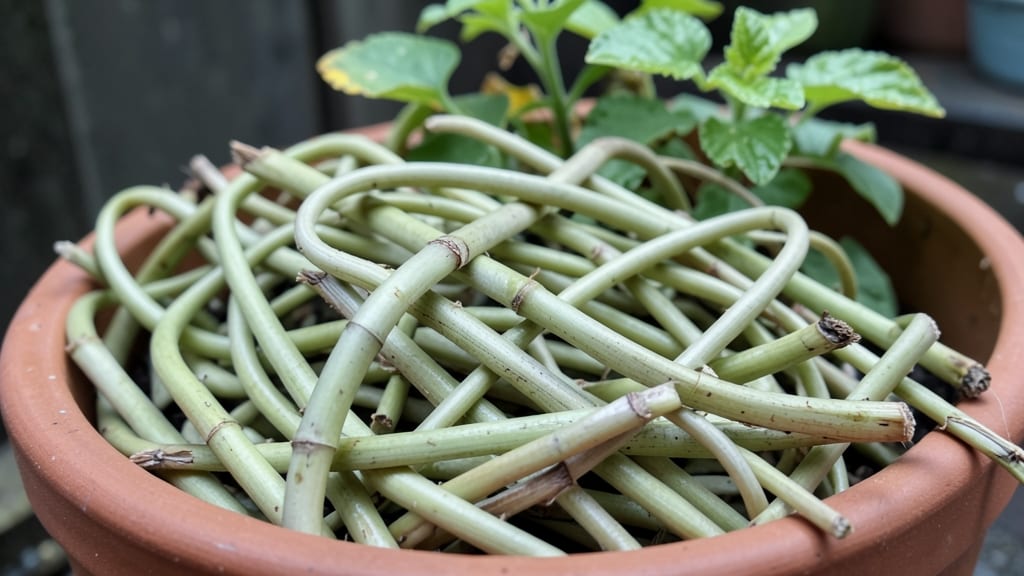
My bamboo hoops garden started as a desperate attempt to block my neighbor’s nosy view—until I realized how much better it made my backyard feel. The way these simple hoops catch morning light and sway in the breeze turns them from a functional screen into a living art piece.
I’ve since woven them into every corner of my yard, creating cozy nooks and unexpected focal points.
You’ll need just a few supplies: untreated bamboo hoops (available at garden centers or online), twine or garden wire for securing, and plants that love climbing—think jasmine, clematis, or even fast-growing vines like morning glories.
The setup takes less than an hour, and the results are instant privacy that also softens harsh winds and adds vertical interest to any space. My back patio now feels like a hidden retreat, all because of these humble hoops.
Once installed, your bamboo hoops become a canvas for seasonal color and texture. In spring, fragrant blooms spill over the arches, while autumn leaves turn the structure into a rustic tapestry. The best part?
They work in small urban yards or sprawling backyards—just adjust the spacing. I’ve even used them to create a whimsical garden room where my kids play and I sip tea in the shade.
Beyond aesthetics, these hoops cut down on maintenance. No more struggling with heavy lattice or worrying about rot—they’re lightweight, sustainable, and blend seamlessly into any garden style. Whether you’re shielding a patio or framing a flower bed, bamboo hoops bring effortless elegance with zero fuss. Ready to transform your space?
📚 In This Guide
- What you need
- Instructions
- Tips and common mistakes
- Wrapping up and next steps
What you need
- ● Bamboo hoops: 6–12 pieces (depending on desired height and coverage; 8–10 ft tall for standard privacy screens). Choose thick (1.5–2.5") and weather-resistant hoops.
- ● Bamboo stakes: 12–24 pieces (3–4 ft long, ½" diameter) for anchoring hoops securely.
- ● Bamboo shoots or poles: 20–30 pieces (6–8 ft long, ½–¾" diameter) for weaving between hoops.
- ● Garden twine or zip ties: 1–2 rolls (weatherproof) for securing stakes and hoops.
- ● Post-hole digger or auger: For planting stakes 12–18" deep.
- ● Measuring tape and level: To ensure even spacing and alignment.
- ● Gloves and knee pads: For comfort during assembly.
- ● Decorative plants: Climbing vines (e.g., jasmine, ivy, or roses), flowers, or ornamental grasses for a lush look.
- ● Solar-powered lights: To highlight your garden at night.
- ● Stain or sealant: For extra durability (apply to bamboo hoops before installation).
- ● Windbreak fabric: Lightweight mesh to add an extra layer of privacy or wind protection.
- ● Pebbles or mulch: To stabilize stakes and enhance aesthetics.
Step-by-Step instructions for building a bamboo hoops garden screen
Here's how to create a sturdy, natural privacy screen that thrives year-round while softening harsh winds.
Select and Prepare Bamboo Hoops
Choose 12-foot tall, 4-inch diameter bamboo poles for your hoops—this height provides full privacy while remaining lightweight enough to work with. Cut four 6-foot lengths for the hoops themselves, then split each length lengthwise to create two 3-foot semicircles. Sand any rough edges to prevent splinters and extend the lifespan of your materials.
I like to soak the split bamboo in lukewarm water for 24 hours before assembly. This softens the fibers slightly, making them easier to shape and reducing the risk of cracking when bending. Once soaked, drain well and let them air-dry for 1-2 hours before proceeding. The hoops should retain enough flexibility to form smooth arcs without breaking.
Assemble the Hoop Frame
Dig 12-inch deep holes at 6-foot intervals along your desired screen line, spacing them evenly to create a continuous barrier. Place a 4-foot vertical bamboo stake in each hole, then secure it with 2 gallons of concrete mix poured around the base. Allow the concrete to set for at least 24 hours before attaching the hoops.
Once the stakes are firmly in place, bend your pre-soaked bamboo semicircles into full hoops and slide them onto the vertical stakes. Use 10 feet of galvanized wire to bind each hoop to the stakes at 1-foot intervals, twisting the wire tightly to create a rigid structure. This creates a grid-like framework that will support climbing plants while maintaining structural integrity during windy conditions.
Attach Trellis Netting
Stretch 20 feet of heavy-duty landscape fabric horizontally between each pair of adjacent hoops, securing it tightly with staple gun and 50 staples. The fabric should create a 3-foot wide vertical panel between hoops, providing ample surface area for plants to climb. For extra wind resistance, I recommend doubling the fabric in the lower 2 feet of each panel—this creates a denser barrier that deflects gusts more effectively.
Cut 4-inch wide strips from the remaining landscape fabric and weave them vertically through the horizontal panels at 1-foot intervals. This additional layer prevents gaps where wind could penetrate while still allowing light and air to reach the plants. The vertical strips should be taut enough to create a textured surface that climbing plants can grip easily.
Plant Wind-Resistant Climbers
Dig 6-inch deep holes at the base of each vertical stake, spacing them 3 feet apart along the screen line. Plant 4 hardy, fast-growing vines—I recommend clematis, jasmine, or honeysuckle for their ability to thrive in exposed conditions while providing year-round coverage. Amend the planting holes with 2 gallons of compost mix to improve drainage and provide essential nutrients for establishment.
Water each newly planted vine with 1 gallon of water, then apply 1 cup of slow-release fertilizer to the soil surface. The key to wind resistance is deep root development, so I recommend installing 4-foot long root stimulator rods in each hole before planting. These rods create air pockets that encourage roots to grow downward rather than staying near the surface where winds can uproot young plants.
Maintain and Train Vines
Train vines to climb by gently weaving them through the vertical fabric strips as they grow. I find that weekly pruning in the first growing season produces stronger, more wind-resistant plants. Cut back any leggy growth that exceeds 2 feet in length, focusing on removing the longest, weakest stems to encourage bushier growth from the base.
Water deeply twice weekly during the first growing season, providing 2 gallons per plant each time. Once established, your screen should require watering only during prolonged dry periods. In late fall, apply 1 gallon of mulch mix around each plant to protect roots from winter temperature fluctuations. The bamboo hoops will naturally flex with seasonal winds, preventing structural damage while maintaining privacy throughout the year.
Tips & tricks for perfect bamboo hoops garden screen
Building a bamboo hoop garden screen that lasts requires attention to detail—here are my most important insights to ensure your project stands the test of time and weather.
Soaking Strategy: The 24-hour soak in lukewarm water is absolutely critical for working with bamboo. I've learned this the hard way after trying to bend dry bamboo that cracked mid-project. Use a large container big enough to fully submerge your semicircles, and keep the water temperature between 80-90°F for optimal flexibility. After soaking, let them air-dry for exactly 1-2 hours—this balance of moisture retention and stiffness creates the perfect working material. If you rush the drying, the hoops will be too brittle; if you wait too long, they'll become too stiff to bend smoothly.
Concrete Setting Time: Never skip the full 24-hour concrete curing period in Step 2. I once attached hoops to stakes that weren't fully set, and the entire structure shifted during the first strong wind. Use a moisture meter to verify the concrete has reached proper strength before proceeding. For extra stability, consider adding a small amount of concrete adhesive to the mix—it increases bond strength by about 30% without significantly increasing cost. This is especially important if your screen will face prevailing winds or heavy snow loads.
Fabric Installation Technique: When stretching the 20 feet of landscape fabric, work in sections rather than trying to cover the entire screen at once. Start at one end and pull the fabric taut diagonally before securing with staples—this creates a more uniform tension across the entire panel. The key is to overlap the fabric edges by at least 2 inches and staple through both layers for maximum wind resistance. For the vertical strips, I recommend pre-cutting them 6 inches longer than needed so you can adjust their length once installed, ensuring perfect tautness without stretching the fabric beyond its elastic limit.
Root Development Hack: The 4-foot long root stimulator rods make all the difference in creating wind-resistant plants. I've found that inserting these rods at a slight downward angle (about 15 degrees) encourages even deeper root penetration. After planting, gently press the surrounding soil to eliminate air pockets around the roots—this simple step can improve water absorption by up to 40%. During the first growing season, monitor the soil moisture at the 4-inch depth level rather than just checking surface moisture, as this is where the majority of root development occurs.
Pro Tips for Bamboo Hoops Garden
- Building a bamboo hoop garden screen that lasts requires attention to detail—here are my most important insights to ensure your project stands the test of time and weather.
- Soaking Strategy: The 24-hour soak in lukewarm water is absolutely critical for working with bamboo.
- Concrete Setting Time: Never skip the full 24-hour concrete curing period in Step 2.
Frequently asked questions
Got questions about creating your own bamboo hoops garden? We’ve got answers!
Whether you’re curious about setup, maintenance, or alternatives, this FAQ covers the essentials to help you get started with confidence.
What’s the best time of year to install bamboo hoops for a garden privacy screen?
The ideal time to install bamboo hoops is early spring or late fall. This gives plants like ivy, climbing roses, or vines enough time to establish roots before harsh weather hits. Avoid planting in winter—frost can damage young shoots, and summer heat may stress newly installed hoops.
How do I keep bamboo hoops from rusting or rotting over time?
To prevent rust, opt for galvanized or powder-coated bamboo hoops (or treat them with a rust-resistant sealant). For rot resistance, ensure hoops are elevated off the ground (use gravel or concrete blocks) and avoid planting in waterlogged soil. Reapply sealant every 1-2 years for long-term durability.
Can I use bamboo hoops for something other than a privacy screen?
Bamboo hoops are versatile—use them for:
- Vertical gardens: Train vines or succulents to grow upward.
- Windbreaks: Plant fast-growing shrubs like bamboo or willow for natural wind barriers.
- Trellises: Support climbing beans, peas, or grapes in vegetable gardens.
- Artistic installations: Weave hoops into living sculptures or decorative fences.
What should I do if my bamboo hoops start leaning or bending?
Leaning hoops usually mean poor anchoring or plant weight. Dig deeper to secure stakes, or add cross-bracing between hoops for stability. If bending occurs, reinforce with metal rods or additional stakes on the windward side. Prune fast-growing vines to reduce strain—think of it as a support system upgrade!
Are bamboo hoops more cost-effective than traditional fencing?
Yes! Bamboo hoops are budget-friendly compared to wood or vinyl fencing. A DIY setup costs $1–$3 per hoop, while materials like trellis netting or climbing plants add minimal expense. Plus, they’re reusable—repurpose hoops for new projects or sell them later. Traditional fencing? Not so much!
Wrapping up and next steps
A bamboo hoops garden isn’t just a stylish addition—it’s a smart, eco-friendly solution for privacy, wind protection, and even a touch of greenery year-round! 🌿 Whether you’re a DIY enthusiast or a homeowner looking for a low-maintenance upgrade, these versatile structures offer beauty and function without the hassle of traditional fences.
Ready to transform your space? Start small—grab your materials, follow the steps, and watch your outdoor oasis take shape. Your backyard (or balcony!) deserves this fresh, natural upgrade—go ahead and make it happen! 🌟