Watering
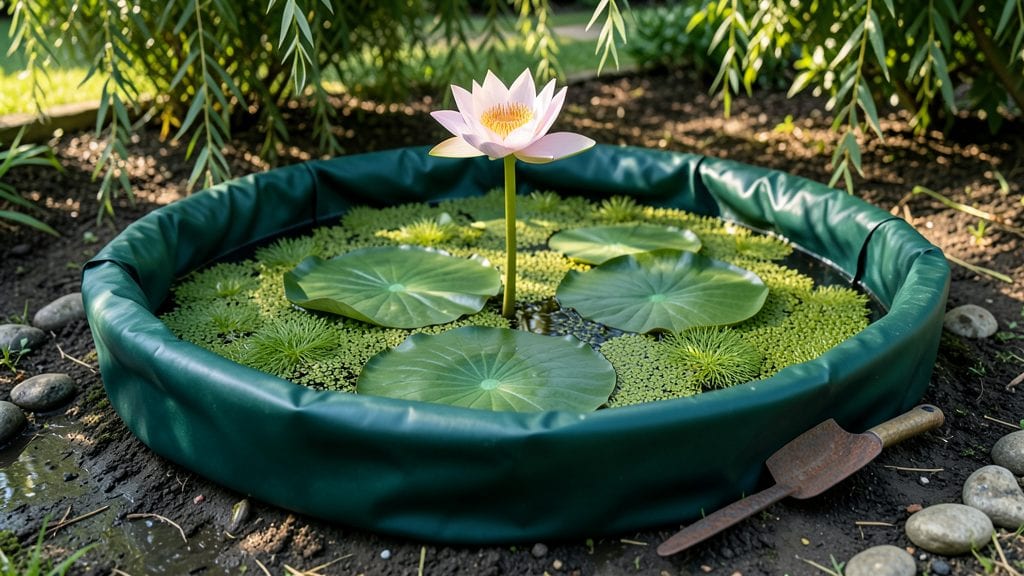
Creating a backyard water garden feels like inviting nature's own spa into your space. 🌿 The key is blending natural filtration with serene design—no expensive equipment needed, just smart plant choices and simple circulation.
I started with a preformed liner and a small pump, then let aquatic plants do the heavy lifting of keeping the water crystal clear.
The magic happens in the layers: floating plants like water lilies shade the water to prevent algae, submerged plants like hornwort oxygenate it naturally, and marginal plants like cattails filter nutrients from the edges.
You’ll need a shallow area (18-24 inches deep) for fish or frogs, plus rocks and plants to create hiding spots and visual interest.
By summer’s end, you’ll have a self-sustaining ecosystem that hums with life—frogs croaking at dusk, dragonflies darting overhead, and water so clear you’ll spot minnows darting between the roots. The best part? Once established, maintenance drops to weekly top-offs and occasional debris removal.
Works in any yard size, from a cozy 3x5-foot pond to a sprawling wetland-style feature. The secret is starting small and letting the ecosystem teach you what it needs—nature always knows best.
📚 In This Guide
- What you need
- Instructions
- Tips and common mistakes
- Wrapping up and next steps
What you need
- ● Excavation tools: Shovel (flat & round) – 1-2
- ● Spade – 1
- ● Mattok (for edging) – 1
- ● Wheelbarrow – 1
- ● Liner: Pond liner (EPDM rubber, 45-mil thickness) – size based on pond depth/width
- ● Underlayment fabric (to protect liner) – 1 roll
- ● Water feature components: Pump (submersible or external, 1,000–3,000 GPH) – 1
- ● Waterfall kit (if desired) – 1
- ● PVC pipes/fittings (for water flow) – varies
- ● Filtration system: Biofilter media (lava rock, ceramic rings) – 5–10 gallons
- ○ UV clarifier (optional but recommended) – 1
- ● Plants & rocks: Hardy aquatic plants (e.g., water lilies, cattails) – 3–5 varieties
- ● Decorative rocks/gravel (for edges & filtration) – 10–20 lbs
- ● LED underwater lights (for ambiance) – 1–2
- ● Solar-powered pump (eco-friendly) – 1
- ● Preformed pond shells (for easier shaping) – 1
- ● Floating fountains or bridges (aesthetic touch) – as needed
- ● Fish (koi, goldfish) – 2–4 (if stocking)
Step-by-Step instructions for designing your backyard water garden
Here’s how to create a balanced, low-maintenance water feature that thrives on natural beauty.
🪴 Step 1: Choose and Prepare the Container
Select a preformed pond liner or a sturdy plastic basin that’s at least 24 inches deep and wide enough to support 4-6 water plants. I like to use a round or oval basin because it mimics natural ponds and prevents sharp edges from cutting through liners over time. Place it in a spot with 4-6 hours of morning sun—this keeps algae growth in check while providing warmth for aquatic plants.
Before adding water, smooth out any wrinkles in the liner and bury the edges with rocks or soil to secure it. A 2-inch layer of small gravel at the bottom improves drainage and prevents root rot. This step is critical—skipping it can lead to liner failure or stagnant water.
💧 Step 2: Add Water and Install the Pump
Fill the container with 30-40 gallons of dechlorinated water (tap water left out for 24 hours or treated with a pond dechlorinator). Use a submersible pump rated for 300-500 gallons per hour to create gentle circulation. Position the pump near the edge so water flows naturally toward the center, then spills over a small rock feature for a soothing waterfall effect.
Test the pump before adding plants—listen for unusual noises and ensure the water flow is steady but not too forceful. Too much turbulence can stress delicate aquatic plants. I like to run the pump for 30 minutes daily to keep water oxygenated without overworking it.
🌿 Step 3: Plant Marginal and Floating Species
Start with 4-6 marginal plants like water lilies or pickerelweed along the edges, where roots can anchor in 2-3 inches of soil. These plants filter excess nutrients and provide shade for fish (if you add them later). Floating plants like water hyacinth or duckweed help block sunlight to prevent algae—add them sparingly at first, as they multiply quickly.
Space plants 6-12 inches apart to allow room for growth. Avoid overcrowding, which can lead to stagnant water or competition for nutrients. I plant mine in clusters of three to create natural-looking groupings. Watch for first true leaves within 2-3 weeks—this tells me the plants are establishing roots.
☀️ Step 4: Add Rocks and Decorative Elements
Place flat stones around the edges to create a natural border and shallow areas for marginal plants. I like to use smooth, rounded rocks because they’re safer for wildlife and easier to clean. Add a few larger rocks near the pump to create gentle waterfalls or small cascades—this adds movement and oxygenates the water.
Skip any decorations with sharp edges or toxic finishes. A few submerged logs or driftwood pieces add organic texture, but avoid anything that could harbor pests or decay quickly. The goal is to enhance the natural look while keeping maintenance simple.
⏰ Step 5: Maintain Balance and Monitor Health
Check water clarity weekly—cloudy water often signals excess algae or debris. Remove fallen leaves or debris with a fine-mesh net to prevent buildup. I top off evaporated water with dechlorinated water as needed, but never overfill the container. Keep the pump running 15-30 minutes daily to prevent stagnation.
In late fall, trim back dead foliage and reduce pump runtime to 10 minutes daily to prepare for winter. If your climate drops below 40°F, move tropical plants indoors or cover the pond with a net to prevent debris buildup. A well-balanced water garden should require minimal intervention once established.
Tips & tricks for perfect backyard water garden design
A few simple strategies will help you create a thriving, low-maintenance water feature that stays beautiful all season long.
Container Placement: In Step 1, when choosing your location, prioritize spots with 4-6 hours of morning sun—this balance prevents algae while keeping plants happy. I've found that east-facing locations work perfectly in most climates, as they avoid the intense afternoon heat that can stress aquatic plants. Avoid placing your garden in full shade, which can lead to stagnant water and poor plant growth.
Pump Setup: For Step 2, position your 300-500 GPH pump near the edge rather than the center to create natural water flow. I like to angle it slightly upward so water spills gently over rocks, creating that soothing waterfall effect. Run it for the recommended 30 minutes daily—this keeps water oxygenated without overworking the pump. Listen for unusual noises during that first test run; any grinding or rattling could indicate misalignment that needs adjustment.
Planting Strategy: When planting your 4-6 marginal plants in Step 3, create clusters of three rather than evenly spacing them. This mimics natural growth patterns and makes your garden look more established. For floating plants like water hyacinth, start with just one or two—these multiply quickly! Watch for those first true leaves within 2-3 weeks; this confirms your plants are rooting properly and ready for more growth.
Winter Prep: In Step 5, when temperatures drop below 40°F, reduce your pump runtime to 10 minutes daily to prevent freezing. I've learned the hard way that letting water freeze can crack pond liners! Cover tropical plants with a breathable net to protect them from falling leaves while still allowing some light penetration. This simple step can extend the life of your water garden through multiple seasons.
Pro Tips for Backyard Water Garden
- A few simple strategies will help you create a thriving, low-maintenance water feature that stays beautiful all season long.
- Container Placement: In Step 1, when choosing your location, prioritize spots with 4-6 hours of morning sun—this balance prevents algae while keeping plants happy.
- Pump Setup: For Step 2, position your 300-500 GPH pump near the edge rather than the center to create natural water flow.
Frequently asked questions
Got questions about creating your dream backyard water garden?
Here are answers to the most common concerns—so you can dive in with confidence!
What’s the best time of year to start a water garden?
The ideal time is early spring or late fall when temperatures are mild. This gives plants time to establish roots before extreme heat or cold. Avoid winter starts—frozen ground makes installation tricky! If you’re in a warm climate, spring is still best to avoid summer drought stress.
How much does a backyard water garden cost to build?
Costs vary widely! A small preformed pond with basic plants may run $500–$1,500, while a custom-designed ecosystem with waterfalls, filtration, and native plants can exceed $5,000+. DIY kits (like liner ponds) save money, while professional excavation and plumbing add up. Pro tip: Start small and expand over time!
Will a water garden attract pests like mosquitoes?
Not if designed right! Stagnant water breeds mosquitoes, but proper circulation, plants (like water lilies), and a small fountain keep water moving. Add a few mosquito-eating fish (like gambusia) or a UV light trap for extra protection. Tip: Empty standing water weekly from containers around the pond!
How do I keep my water garden clean without chemicals?
Natural filtration is key! Use a combination of plants (oxygenators like hornwort), a biological filter (beneficial bacteria), and a small pump to circulate water. Skim debris regularly, and add a barley straw (releases natural algae inhibitors) to the pond. Bonus: Ducks or koi can help eat algae organically!
Can I build a water garden in a small backyard or balcony?
Even tiny spaces can host a water feature. Try a container pond (5–10 gallons), a wall-mounted waterfall, or a self-contained bubbler. Use lightweight materials like preformed ponds or fiberglass basins, and opt for compact plants like dwarf water lilies or bog plants.
What’s the most common mistake beginners make?
Underestimating size and depth—or skipping proper sealing. Shallow ponds dry out fast, and cracks in liners lead to leaks. Rule of thumb: Aim for at least 18–24 inches deep (for fish or winter survival) and use UV-stabilized EPDM liner for longevity. Test your soil for leaks before filling!
Wrapping up and next steps
A backyard water garden isn’t just a stunning addition to your outdoor space—it’s a self-sustaining ecosystem that brings tranquility, supports wildlife, and even reduces maintenance.
Whether you’re drawn to the soothing sounds of water, the beauty of aquatic plants, or the magic of natural filtration, this project is well within reach with the right planning and care.
Ready to dive in? Start small—sketch your design, gather your materials, and take that first step toward creating your own serene oasis. 🌿 With patience and passion, your water garden will thrive, offering years of peaceful enjoyment and natural beauty!